

Table of Contents
Fish has a reputation as a nutritious food that definitely belongs in a healthy diet. Yet, it seems that for most of you, they regularly drift off your plate. Why do people eat so woefully little of them? Is it because of a fear of the heavy metals in fish, or do you just not like them?
It is no coincidence that a Mediterranean diet , rich in fish, for example, is considered one of the healthiest. Fish is packed with essential nutrients, and eating it regularly can result in better brain or heart health, with many other benefits. What they are and whether fish is safe for you, will be discussed together today.
In this article you will read about the effects of fish on:
Why should you be interested in whether you eat fish?
You may be telling yourself that it doesn’t matter at all if you don’t eat fish. After all, you have plenty of other nutritious foods in your diet, so why make such a big deal out of it? But the truth is, fish isn’t just any food. On the contrary, they’re quite a bountiful storehouse of nutritious treasures that are often absent in other foods.
It turns out, that eating fish more often is associated with better overall health and even lower rates of cancer or heart disease. So remember, the next time someone tells you to eat more fish, they’re not just talking into the wind. [12]

What do fish contain?
Fish is especially known for its high proportion of protein and healthy fats. However, not many people know that they should also be valued for the many micronutrients they contain. They do not lack in vitamins and minerals, and often in greater quantities than other foods.
Protein
Fish is a great source of complete protein. They contain all the essential amino acids, i.e. those that the body cannot produce on its own and has to obtain them in the diet. As a result, they provide all the necessary building blocks for the formation of muscles, hormones, enzymes and other body proteins. On average, they contain 20g of protein per 100g of raw fish, which means they are virtually the same as meat. [5,11]

Fat
Fish are quite unique in the world of food in terms of fat content. In fact, they are exceptionally rich in healthy fats in the form of polyunsaturated fatty acids (PUFA), which are renowned mainly for their positive effects on the heart or the brain. In some species of fish, PUFAs make up as much as 30-40 % of their fat content. This is the composition of Atlantic salmon or mackerel, for example. This is exceptional compared to other animal foods, such as meat, because they typically contain a majority of saturated fat.[10]
Fish are excellent sources of omega-3 fatty acids
Fish, especially saltwater fish, are most valued for their omega-3 fatty acid content, specifically the long-chain ones – eicosapentaenoic acid (EPA) and docosahexaenoic acid (DHA). These are polyunsaturated fatty acids, which have many proven health benefits. Like other PUFAs, they have a positive effect on the heart, in addition to improving eyesight and are essential for proper brain development.
EPA and DHA are not found in significant amounts anywhere else but in fish. This is what makes them such an exceptional food, and you will often hear about fish in relation to omega-3s. [10]
Interested in learning more about what omega-3s do for the body, how their deficiency manifests itself and where to find them? In that case, read our article Omega-3 Fatty Acids: How Do They Affect the Brain, Heart, Eyes or Muscles and How to Consume Them?

How much fat does each type of fish contain?
However, when it comes to the proportion of fat, there is no fish like any other fish. In fact, the total fat content varies from one fish species to another. On this basis, they are divided into four groups.
- extra lean fish (fat content < 2%) – cod, clam, flounder, skipjack tuna, etc.
- lean fish (fat content 2 – 5%) – anchovies, albacore tuna, brown trout, sea bass, etc.
- fatty fish (fat content 5-10%) – carp, herring, swordfish, mackerel, Atlantic salmon, sardines, longfin tuna, etc.
- extra fatty fish (fat content >10%) – Atlantic mackerel, eel, Chinese salmon, etc. [5]
Why are we talking about this? Precisely because of the content of the aforementioned omega-3 fatty acids. Logically, the more fat a fish has, the more omega-3 fatty acids it has.
How do saltwater and freshwater fish differ?
To make the aforementioned ratio of fatty fish to omega-3 content less straightforward, the origins of the different fish species complicate matters. In particular, the best sources of omega-3 amino acids are fatty saltwater fish. Freshwater fish have much less. Carp, for example, whilst being one of the fish with a higher proportion of fat, is not a good source of omega-3s.
Why is this so? The difference between carp and, for example, Atlantic mackerel, a saltwater fish, lies in their differing diets. Saltwater fish normally feed on plankton, which is naturally rich in omega-3 amino acids, especially EPA and DHA. The diet of freshwater fish contains considerably less of these fatty acids.
If you consume fish for its omega-3 fatty acids, you should reach for the fattier saltwater fish.
Which saltwater fish have the most omega-3 amino acids?
What does this mean for freshwater fish?
We certainly don’t want you to stop eating freshwater fish now. They too are a great source of protein, vitamins and minerals. They even have those omega-3 amino acids in them, just not nearly as much as saltwater fish. So if you want to get the most healthy fats from your fish , reach for saltwater fatty fish, but your health will also thank you for some tasty carp or zander.
You might be interested in these products:
Vitamins
Fish is not only rich in healthy fats and protein, but also has many micronutrients, including vitamins. The following are certainly worth mentioning.
- Vitamin D deserves the first place because it is generally found in very few foods. It is difficult to obtain from your diet, yet it is so important for your immunity, bones and overall health. Especially in the winter months, when you don’t get it from sunlight, you shouldn’t neglect to get it from your diet. Fatty fish (mackerel, salmon, herring, etc.), as its best food source, have an indispensable role to play here. However, for this vitamin in particular, it is usually advisable to supplement outside the summer months. [5,11]
- Vitamin B12 is original in that it is found almost exclusively in animal foods. Fish is no exception and may be the best source for people who avoid meat. Salmon, mackerel or herring contain the most.
- Vitamin B6 is important for immune, mental and nervous system function. Salmon, for example, has an exceptional vitamin B6 content. [5,16]
- Vitamin B3, or niacin, supports both nervous system function and skin health. Fish is so important even when taking good care of your appearance. [16]
- Vitamin A is mainly found in fattier fish because it is a fat-soluble vitamin. It is important for both eyesight and the immune system. [5]
Fish also contain many other vitamins, the proportion of which may vary depending on the type of fish. In order to consume them all, it is a good idea to rotate the fish you have on your plate.

Minerals
Even more than vitamins, fish are rich in minerals. Which ones do they have the most of?
- Iodine is necessary for normal thyroid function and is particularly important in the diet during pregnancy, as it is involved in the proper development of the foetal brain. 100 g of certain saltwater fish, such as mackerel, can provide a full day’s worth of iodine. [9]
- Selenium must not be omitted because it is generally scarce in food. Fish is a great way to obtain this antioxidant naturally. [12]
- Zinc is needed for both DNA synthesis and to ensure normal fertility and reproduction. [16]
- For example, iron is necessary for the body to make red blood cells and carry oxygen. [16]
- You can obtain calcium from fish that you eat with the bones. For example, sardines are a great source of calcium and can help you on your way to healthy muscles, bones and nervous system.
We have listed only a fraction of the minerals found in fish. They also contain many others, so as you can see, it pays to have fish on your plate if you want to stock up on these essential nutrients.

What health benefits do fish have?
1. Improves cardiovascular health
Eating fish regularly is one of those things you can do if you want to avoid cardiovascular problems. And that would be good for all of you, since cardiovascular disease, specifically coronary heart disease (e.g. myocardial infarction), is the number one cause of death worldwide. [11,19]
However, based on studies, we know that people who regularly eat fish at least 1-2 times a week, especially species rich in omega-3 amino acids, have up to a 36% lower risk of dying from heart disease. In fact, these healthy fats in fish help to reduce both inflammatory processes and cholesterol levels. In addition, other substances such as vitamin D or selenium, for example, also contribute to these beneficial effects of fish. [11,19]
Therefore, if you want to have a healthy heart in the long term, you would do well to add fish to your healthy diet.
2. They have antioxidant properties
Fish contain substances that help protect the body from oxidative stress and free radicals. The antioxidants present, such as vitamin E, selenium and omega-3 amino acids, contribute to the protection of cells and tissues.
This effect may then be associated with a lower risk of developing chronic diseases such as metabolic disorders (e.g. type 2 diabetes) or neurodegenerative diseases (e.g. Alzheimer’s disease). The antioxidant effects of fish can be seen in virtually the whole body. [3]
3. Protect the nervous system
Protecting the nervous system is one of the top benefits of fish in your diet. The omega-3 fatty acid DHA, which is a necessary building block of nerve cell membranes (neurons), plays a major role. It makes up to 30% of their total structure. As a result, it helps protect the brain and nervous system, but at the same time the body needs it for their development. This is why pregnant women should also ensure their intake to ensure the best possible development of their offspring’s brain. [3,9]
However, in addition to omega-3 amino acids, you cannot forget fish collagen (marine collagen). According to scientists, its peptides also help to protect and maintain a healthy nervous system. In fact, it turns out that they can help increase the level of acetylcholine – a neurotransmitter that ensures the transmission of signals between neurons. Its higher concentration between them promotes smooth communication. [3]
These benefits of fish may show up as a lower risk of neurodegenerative diseases (e.g., Parkinson’s disease) and may help improve your brain’s performance. For example, this will help improve your memory or make it easier for you to learn or concentrate.[9]

4. Have anti-ageing properties
It is also good to eat fish if you want to live as long as possible while maintaining good health. In fact, research suggests that there is a link between the amount of omega-3 amino acids in the blood and the rate of telomere shortening. The more omega-3, the slower the telomere shortening seems to be.
Telomeres are the end portions of chromosomes (formations composed of DNA). They form a kind of protective cap at the end of each of the legs of the chromosome and prevent the destruction of the hereditary material. However, they shrink with age, and we now know that telomere shortening is linked to diseases typical of older age (e.g. cancer or metabolic diseases). If there is anything that can help slow telomere loss, it may therefore have implications for longer-term health. Scientists now think that it is omega-3 amino acids that could have these effects. Isn’t it great that a couple of servings of fish a week can help you live longer and healthier? [9,14]
If you would like to know what other nutrients have anti-ageing properties and what to do to maintain your health and beauty for years to come, read our article Anti-ageing and Healthy Ageing: How to Take Care of Your Body and Maintain Your Health and Youthful Appearance?
5. Assist with weight loss
Fish can also be a great aid in weight loss. They are not a miracle solution on their own, but as part of a healthy diet along with vegetables, fruits, legumes or whole grains, they can be key to success.
Their great advantage is their ability to satiate well and also to keep the feeling of satiety for a longer time. This effect is primarily due to the high proportion of protein, which is the most filling of all nutrients. However, according to scientists, the advantage of fish over meat is also its higher tryptophan content. This amino acid is a precursor to the neurotransmitter serotonin, which helps regulate appetite. [7,11]
Thus, fish as a regular part of your diet can help you maintain energy balance or achieve the caloric deficit needed for successful weight loss. [7,11]
6. Improve bone health
Fish don’t neglect your bones either, especially thanks to their vitamin D content. It promotes the absorption of calcium. In addition, you can also get calcium from the fish you eat along with the bones, such as sardines. When you have enough of this mineral in your body, which can be absorbed into your bones, you can better maintain their strength and density.
This effect of fish can be appreciated by post-menopausal women who are at higher risk of osteoporosis (thinning of the bones) due to hormonal changes. In practice, however, all adults should beware, because the highest amount of bone mass is between 25 and 30 years of age, after which bone density begins to decrease. Thus, fish can be one piece of the puzzle that will help maintain healthier bones for a longer period of time. [11]

Other health benefits of fish
- Due to their omega-3 content, amino acids may have anti-inflammatory effects. [6]
- They also help take care of liver health, which is an organ that plays a major role in detoxifying the body.
- Thanks to their anti-inflammatory effects, they also help in controlling asthma and allergies.
How much fish should you eat and how often?
If you were to pick a food that most of eat too little of, it would be fish. For some, it is not available, others may not like it or don’t know how to prepare it. We’ll help you with that today too, but first we’ll talk about how often you should actually consume them to get all those benefits we discussed a moment ago.
- Experts agree that you should have 1-2 servings of fish per week, ideally fatty saltwater fish. One serving is about the size of your palm.
Such an amount is ideal, for example, according to the European Food Safety Authority (EFSA), the US Food and Drug Administration (FDA) and the same opinion can also be found in the dietary recommendations for individual European countries or the US population. [1,15,17]
The recommendations emphasise the intake of oily saltwater fish because of their omega-3 amino acid content , which is virtually not found in significant quantities anywhere else except in fish.
- According to the EFSA, a healthy adult should consume 250 mg of EPA and DHA per day. On average, 20 g of salmon, for example, has this amount in it. To meet this intake, it is therefore sufficient to follow the recommendation to eat 1-2 portions of fatty saltwater fish per week. [2,7]
What about the consumption of freshwater and less fatty fish? These are a great source of protein and many vitamins and minerals, so they definitely belong in your diet. However, don’t count on carp or zander, for example, to give you a sufficient dose of omega-3 amino acids.

What is fish oil and should you supplement?
The name fish oil tells us exactly what it is – it’s not rocket science, it’s simply fish oil. But not just any oil, but one rich in precious EPA and DHA. It is a concentrated form of these two omega-3 fatty acids.
It can be a good way to enrich your diet with these fatty acids when you don’t eat enough fish. But even if you have fish on your plate regularly, supplementing with fish oil can only benefit you. You can take it by the spoonful in oil form, but you can also reach for capsules. It depends on what works for you. Omega-3 supplements usually contain just fish oil, often supplemented with vitamin E, for its antioxidant effects that protect the fatty acids from deterioration.
Can eating fish be unhealthy?
You must have come across the fact that some people avoid fish because they contain heavy metals and other harmful substances that have entered them from the environment. The truth is that they can indeed be found in fish. But is that a reason to give up fish altogether?
What about mercury in fish?
Mercury is definitely at the top of the list when we talk about the heavy metal content of fish. And rightly so, as it can have a significantly negative impact on overall health when consumed in excess. It has been shown to have a detrimental effect on the neurological development of children in the foetal period, so pregnant women should be careful about what fish they consume in their diet. [11]
Mercury accumulates in fish in the form of methylmercury. It enters the sea as a result of activities such as the burning of coal and fossil fuels, but also, for example, through volcanic activity. It is then deposited in plankton and other small organisms that fish feed on. In turn, the smaller fish are fed on by the larger ones, and so the mercury spreads further up the ocean food chain. In general, the larger, older and higher up the food chain a fish is, the more mercury it can accumulate over its lifetime. Predatory fish species contain the most of this heavy metal. [18]
The general population does not need to worry about mercury in common fish products, as long as they follow the fish consumption recommendations. Much more valuable from a health point of view is the omega-3 amino acid content. [13]
Which fish contain the most mercury?
- sharks
- pike
- king mackerel
- swordfish
- marlin
- bigeye tuna (Thunnus obesus)[8]
Should you be afraid to eat tuna?
Fish with a high mercury content should only be on your plate occasionally, ideally about twice a month. Species with low mercury pollution are suitable for regular consumption.
You may be surprised by tuna, as this is a fish that many of us commonly buy as steak or canned. But not to worry, there are several types of tuna. The aforementioned bigeye tuna (Thunnus obesus) or bluefin tuna (Thunnus thynnus) are the largest species and can typically have the highest levels of mercury in their bodies.
Smaller species, such as yellowfin tuna (Thunnus albacares) or albacore tuna (Thunnus alalunga), have much less mercury in them and can be enjoyed regularly in your diet.
The smallest skipjack tuna (Katsuwonus pelamis), which is commonly found in canned products, typically has the least amount of this heavy metal and can be eaten regularly by children or pregnant women, for example, without any problems. [8,18]
Fish species with the lowest average mercury content
- Atlantic mackerel
- salmon
- sardines
- trout
- anchovies
- cod
- catfish [8,15]

What other contaminants may be in fish?
In addition to mercury, so-called dioxins and polychlorinated biphenyls (PCBs) , for example, can also enter the body of fish. These are chemicals that enter the water, for example, from waste incineration or industrial processes. These substances with carcinogenic effects accumulate in fat and can therefore be present in fatty fish. However, today’s research tells us that we are not at any significant risk from eating fish because of these substances. Furthermore, it is recommended that we only consume a maximum of two portions of oily fish per week, which is a safe amount in terms of these potential contaminants. [11]
Can you eat raw fish?
Sushi or, sashimi, which includes raw fish, is considered by many to be a gourmet experience. However, one should not forget that they also carry some health risks. Fish may contain parasites, viruses or bacteria such as salmonella or listeria. Raw fish contaminated with these micro-organisms can cause us quite serious digestive and other difficulties.
This does not mean that you should now discard all raw fish and deprive yourself of these gourmet delights. However, make sure that the fish is from a verified source. In the restaurant sector, only order raw fish dishes from establishments you trust to take care of quality storage and hygiene during preparation. [4]
Are canned fish healthy?
There is a perception that canned fish is harmful. But don’t worry, no dangerous substances will get into the fish from the can. As far as the mercury content is concerned, what has been mentioned above applies. The amount of mercury in the fish depends on what kind of fish it is.
Canned fish can be a great way to get this fish into your diet. Whether you want to have salmon, sardines or tuna in brine or olive oil, there is nothing easier and quicker than reaching into the pantry, opening a can and adding the fish to your pasta or spread.

Who should avoid eating fish?
Fish is healthy, but still some people should be careful what fish they choose, especially because of the aforementioned toxic substances it may contain. The universal advice is always that it is best to reach for fish with a low risk of contamination.
- Pregnant and breastfeeding women should avoid fish that may have high levels of mercury. Other species are also suitable for pregnant women and should ideally be eaten 1-2 times a week as they contain nutrients important for the baby’s development. [11]
- Nor should they consume raw fish.
- Children under the age of 6 should also not be given fish at the top of the food chain due to its mercury content. For older children, these fish are not so risky and they can have them twice a month. Even so, it is better to choose fish with a lower risk of contamination.
- People with weakened immune systems should avoid raw and undercooked fish.
How should fish be stored?
It is key to store fish properly to keep it both fresh and safe. After all, you don’t want bacteria to grow in them and then put them on your plate.
- Fresh fish should be stored in the coolest part of the refrigerator.
- Store them ideally in a covered glass container.
- Consume them ideally 1-2 days after purchase.
- If you want to eat them later, you should freeze them. Properly frozen, fatty fish will keep for 2 – 3 months, while lean fish has a shelf life of up to 6 – 8 months.
- Re-thaw them in the fridge to prevent bacterial growth and loss of texture.
If you’re wondering how to properly store other foods that you normally have in your kitchen at home, don’t miss our article How to Store Food Properly to Make It Last as Long as Possible.
Preparation of fish
How to prepare fish? It doesn’t have to be complicated at all. On the contrary, it’s usually a few simple steps that result in a delicious lunch or dinner.
- First, choose the right kind of fish. Fattier fish, such as salmon or mackerel, are suitable for grilling or baking. Leaner species, such as cod, are great for steaming.
- Prepare the spices and a marinade. You can choose herbs, lemon juice or garlic, for example. Marinades with olive oil, lemon and herbs will improve the flavour while keeping the fish tasty and juicy.
- You can bake the fish. Baked fish has a delicate flavour and pleasantly juicy flesh, while the surface may be slightly crispy.
- Grilling will ensure an even crispier crust than baking. Salmon or mackerel are perfect for this.
- Steaming will preserve the natural flavour of the fish while ensuring its delicate consistency.
- Pan-fried fish is a quick fix that saves you a lot of time in the kitchen.
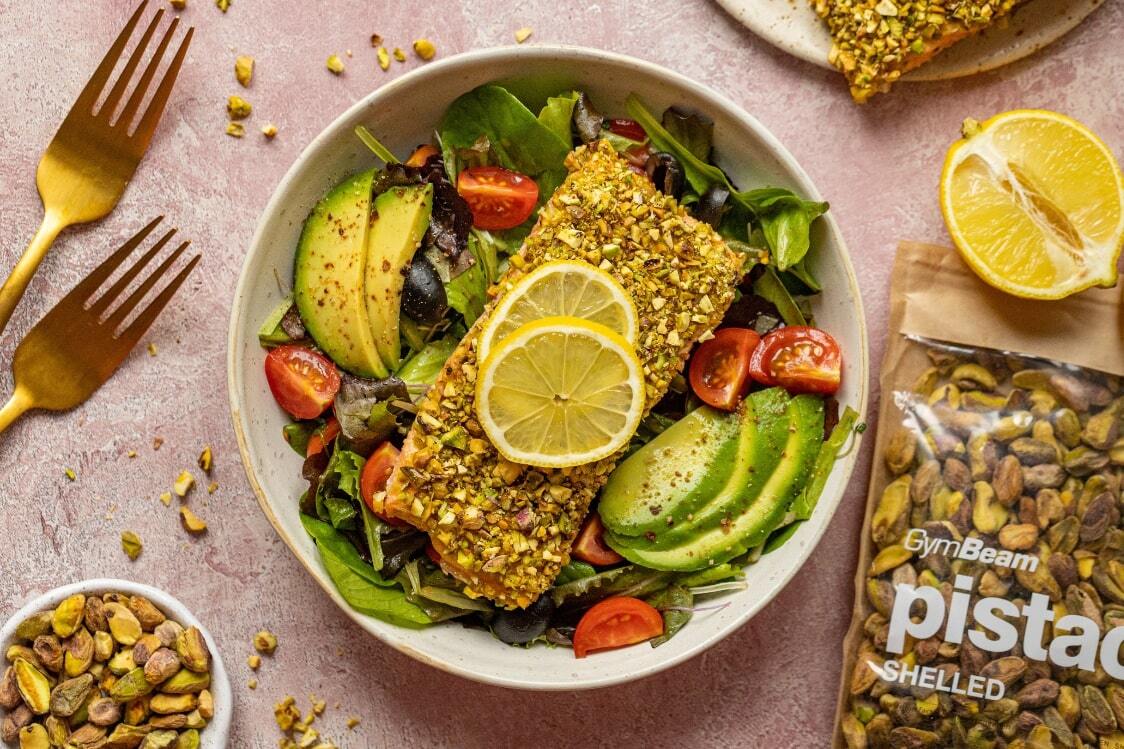
- Accompany the fish with a side dish, such as potatoes or sweet potatoes, and don’t forget a vegetable salad.
How else can you incorporate fish into your diet?
Maybe you don’t like fish on its own or you are tired of eating fish just with a side dish. Don’t despair, we have plenty of interesting ways to incorporate fish into your diet in other ways.
- Prepare a tasty spread, such as this tuna and egg spread.
- Mix the fish into fritters or patties.
- Hide it in a sandwich or wrap.
- Warm up with a delicious fish soup.
- Prepare a fish sauce for pasta.
- Prepare a tasty salad with fish or an original poké bowl.
If you are looking for further inspiration, we have plenty of recipes with salmon and other fish on our blog. And if you’re wondering if you’re eating enough fish and have optimal levels of omega-3 amino acids in your body, omega-3 tests can reveal this.
What should you remember?
Fish certainly has its place in a healthy diet. In particular, they have an excellent content of the omega-3 fatty acids EPA and DHA, which are woefully lacking in other foods. Thanks to these and other nutrients, they have undeniable positive effects on health. However, fish is not without its health risks, as some of them may also contain harmful substances. The key to success is to choose the right species while adhering to the recommendations that suggest that you should eat 1-2 fatty saltwater fish per week. This way you will get the benefits that fish has to offer.
So, when’s the next time you’re going to have fish on your plate? If you’re interested and full of new information, don’t keep it to yourself. Share it among your friends and family.
[1] EFSA DIETETIC PRODUCTS, NUTRITION, AND ALLERGIES (NDA) Scientific Opinion on health benefits of seafood (fish and shellfish) consumption in relation to health risks associated with exposure to methylmercury. – https://onlinelibrary.wiley.com/doi/abs/10.2903/j.efsa.2014.3761
[2] EFSA PANEL ON DIETETIC PRODUCTS, NUTRITION, AND ALLERGIES (NDA) Scientific Opinion on Dietary Reference Values for fats, including saturated fatty acids, polyunsaturated fatty acids, monounsaturated fatty acids, trans fatty acids, and cholesterol. – https://onlinelibrary.wiley.com/doi/abs/10.2903/j.efsa.2010.1461
[3] CHEN, J. et al. A critical review on the health benefits of fish consumption and its bioactive constituents. – https://pubmed.ncbi.nlm.nih.gov/34455321/
[4] LEHEL, J. et al. Possible food safety hazards of ready-to-eat raw fish containing product (sushi, sashimi). https://pubmed.ncbi.nlm.nih.gov/32270692/]
[5] LIU, C. - RALSTON, N.V.C. Chapter Seven - Seafood and health: What you need to know? – https://www.sciencedirect.com/science/article/pii/S1043452621000498
[6] MENDIVIL, C.O. Dietary Fish, Fish Nutrients, and Immune Function: A Review. – https://pubmed.ncbi.nlm.nih.gov/33553231/
[7] MENDIVIL, C.O. Fish Consumption: A Review of Its Effects on Metabolic and Hormonal Health. – https://pmc.ncbi.nlm.nih.gov/articles/PMC8182174/
[8] PROGRAM, H.F. Advice about Eating Fish. – https://www.fda.gov/food/consumers/advice-about-eating-fish
[9] QAYOOM, U. et al. Health benefits of eating fish. In . 2020. https://www.researchgate.net/publication/344902523_Health_benefits_of_eating_fish]
[10] – 10 TSOUPRAS, A. et al. Cardio-Protective Properties and Health Benefits of Fish Lipid Bioactives; The Effects of Thermal Processing. In Marine Drugs . 2022. Vol. 20, no. 3, s. 187. .
[11] WEICHSELBAUM, E. et al. Fish in the diet: A review. https://onlinelibrary.wiley.com/doi/abs/10.1111/nbu.12021]
[12] ZHAO, H. et al. Fish consumption in multiple health outcomes: an umbrella review of meta-analyses of observational and clinical studies. https://pmc.ncbi.nlm.nih.gov/articles/PMC9951006/]
[13] Benefits of fish/seafood consumption vs. risks of methylmercury | EFSA. – https://www.efsa.europa.eu/en/efsajournal/pub/3982
[14] Biochemistry, Telomere And Telomerase - StatPearls - NCBI Bookshelf. – https://www.ncbi.nlm.nih.gov/books/NBK576429/
[15] Dietary Guidelines for Americans, 2020-2025. – https://www.dietaryguidelines.gov/sites/default/files/2020-12/Dietary_Guidelines_for_Americans_2020-2025.pdf
[16] EU Register of nutrition and health claims made on foods (v.3.6). – https://ec.europa.eu/food/safety/labelling_nutrition/claims/register/public/?event=search
[17] Food-Based Dietary Guidelines recommendations for fish | Knowledge for policy. – https://knowledge4policy.ec.europa.eu/health-promotion-knowledge-gateway/food-based-dietary-guidelines-europe-table-9_en
[18] Size, species, capture location: What makes tuna get high on mercury? | The Pacific Community. – https://www.spc.int/updates/blog/2019/06/size-species-capture-location-what-makes-tuna-get-high-on-mercury
[19] The top 10 causes of death. – https://www.who.int/news-room/fact-sheets/detail/the-top-10-causes-of-death
Add a comment