

Table of Contents
Have you ever found yourself at the gym with all the machines and equipment occupied, leaving you with only dumbbells? Or perhaps you have dumbbells at home that you only use to get a bicep workout? If so, you’ve come to the right place. Today, we’ll show you how to effectively use this versatile piece of equipment, found in every gym, to also work out your abs, glutes, and legs.
What Are Dumbbells and What Types Are There?
The ancient Greeks were already using weights held in one hand during their workout sessions. They used them not only for strength training, but also in long jump competitions to help gain momentum during take-off. History also provides an answer to the question of why “dumbbells” are called that way — dumb meaning silent, and bell. In medieval England, athletes trained with bells that had their clappers removed, so they made no sound, earning them the fitting name “dumb bells.” [1]
Dumbbells, as we know them today, no longer resemble bells, although the name “dumbbell” has remained in the English language. They consist of a short bar with equal weights on both ends. They come in various forms, differing in material, shape, and size.
- Classic Dumbbells: These are most commonly made of steel, sometimes with cast iron plates or a chrome finish. The plates are fixed, giving them a constant weight that typically starts at 1 kg.
- Plate Loaded Dumbbells: These consist of a short bar onto which you can load weight plates according to your desired resistance. You then secure the weights with safety locks. This makes them an ideal tool for home workouts, as one dumbbell can be used for a full-body workout routine.
- Hexagonal Dumbbells: These typically feature a steel bar with an anti-slip grip and rubber-coated heads on each end. Their hexagonal shape prevents them from rolling on the floor and also reduces the noise when they are set down.
- Adjustable Dumbbells: These modern weights feature a unique system for changing the weight load. You set the desired weight directly on the stand, and then you can lift the dumbbell and start your workout.
- Neoprene Dumbbells: These have either round or hexagonal heads and feature a neoprene coating that provides a comfortable grip.
Dumbbells are a fantastic addition to every home gym. To learn more about other essential equipment for your home gym, check out the article: Must-Have Accessories for Your Home Gym

What Are the Benefits of Exercising With Dumbbells?
Dumbbells rank among the most popular equipment in the gym. They are used by beginners that are just starting their fitness journey, as well as seasoned athletes looking to achieve new results. Dumbbells offer numerous benefits for athletes of all levels. [2–3]
1. Ideal for full-body workouts
Dumbbells aren’t just for bicep workouts. They can be used to target the back, abs, legs, and glutes. They are also suitable for both isolated exercises (like triceps extensions) and compound movements (like squats). Additionally, they are useful in circuit training or HIIT workouts. In essence, dumbbells are a versatile tool that can be used for both individual muscle groups and full-body workout.
2. Great for supporting muscle growth and strength
To effectively build muscle mass and strength, it’s best to gradually increase the weight you use. If you’re transitioning from bodyweight exercises, start with lighter dumbbells. First, focus on mastering the proper technique, and then you can move on to heavier weights. This approach gives your muscles a new stimulus for growth and strengthening, fulfilling the principle of progressive overload, which is crucial for achieving new results.
3. Help build a toned physique
Exercising with dumbbells is ideal for anyone looking to improve their physique, no matter if male or female. This can help you achieve a variety of goals, from making your body more firm, building strong arms, sculpting abs or rounding and enlarging the glutes.
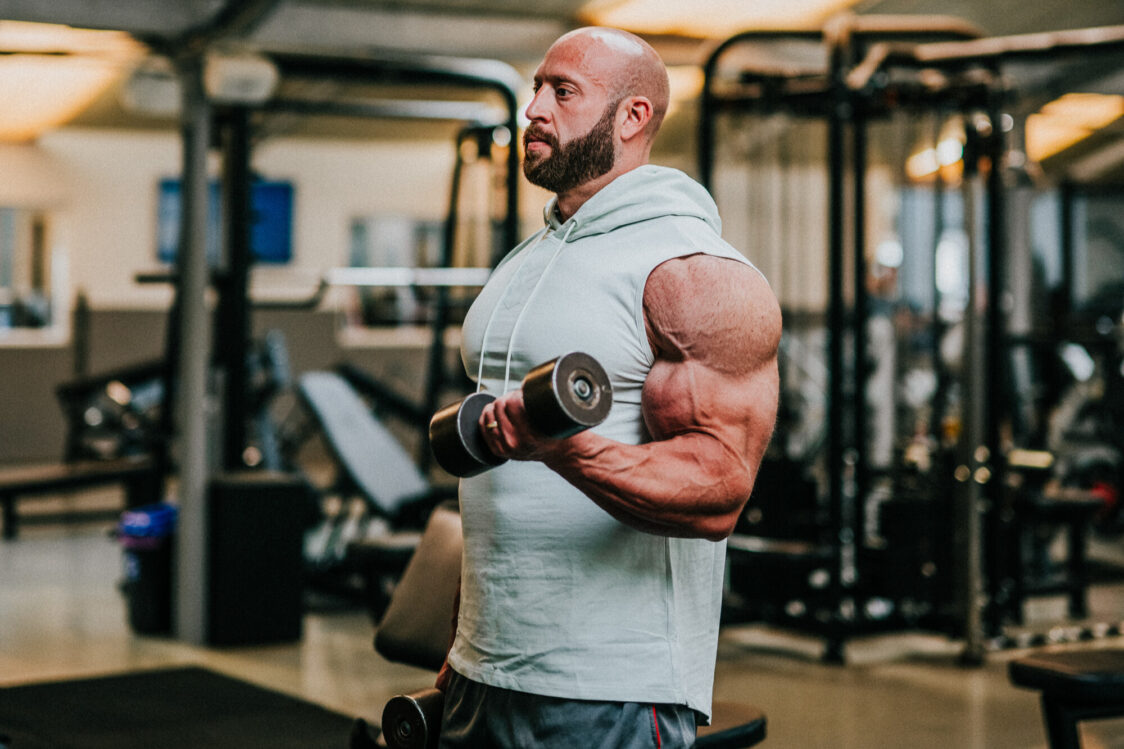
4. Suitable for unilateral training
With dumbbells, you can work each side of your body individually, unlike a barbell workout where both sides work simultaneously. This makes them ideal for unilateral training, which helps prevent and correct muscle imbalances.
5. Perfect for a home gym
Dumbbells take up minimal space and allow for effective workouts right in the comfort of your home. If you get the adjustable or plate loaded dumbbells, then just one piece of equipment can be enough, as you can modify the weight as you get stronger. Additionally, if you have a garden or live near a street workout area or park, you can take it outside for some outdoor workout.
6. Allow for a full range of motion
Dumbbells are a type of free weight, meaning that unlike exercise machines which guide your movements, they allow you to exercise through a range of motion that suits you best. Using the full range of motion during your workouts also promotes flexibility, particularly in your joints. Additionally, using free weights engages the stabilizing muscles, including the core, which enhances coordination.
You might be interested in these products:
How to Exercise with Dumbbells?
Below, you’ll find exercises targeting the biceps, triceps, shoulders, back, abs, glutes, and legs. This way, you can pick specific exercises to enhance your targeted muscle group workout. Alternatively, you can mix and match them to create a full-body workout or a HIIT session.
- Perform 8–12 repetitions of each exercise (on each side) for 3–4 sets. Rest for 1–2 minutes between each set.
- Ideally, prepare a range of dumbbells with varying weights for your workout. Use lighter ones for exercises like bicep curls and heavier ones for exercises such as squats.
- First, master the proper technique with lighter weights, and then gradually progress to heavier dumbbells. Increase the weight slowly, giving your muscles enough time to adapt before moving on to heavier loads.
- For visible results, include dumbbell exercises in your workout routine at least twice a week.
- Don’t forget to also allow for adequate rest. Full muscle recovery typically takes between 24 and 72 hours. [4]
If you need help creating a complete training plan, you’ll find practical advice in the article: How to Create a Quality Gym Training Plan?

12 Best Dumbbell Exercises
In addition to dumbbells, prepare an exercise mat and a bench or plyometric box for your workout. Before diving into the main part of your workout, make sure to warm up your entire body. A few minutes of brisk walking or running on a treadmill, using a rowing machine, or riding an air bike will do just fine. Afterwards, move to the exercise mat and mobilise all your joints. You can also include a few exercises with a foam roller to increase blood flow to your muscles, making them better prepared for the workout.
In addition to classic exercises, you’ll also find some lesser-known variations that only require one dumbbell. If you have two dumbbells available, you can try the variations listed under each main exercise.
1. Biceps Curl
- Starting Position: Hold a dumbbell with both hands by the weight plates and stand with your feet hip-width apart. Stand upright with a slight bend in your knees, holding the dumbbell with extended arms by your sides.
- Execution: Exhale as you contract your biceps to bend your elbows and lift the dumbbell in front of your chest. You can include a 1-2 second hold in the top position. Then, inhale as you slowly return the dumbbell to the starting position. Follow up with the next repetition.
- Common Mistakes: Engaging the lower body, elbows flaring out, excessive arching in the lower back, uncontrolled movement, insufficient range of motion, inappropriate weight selection.

Other variations of the exercise
a. Double Dumbbell Biceps Curl
Stand with your feet hip-width apart, holding a dumbbell in each hand. Keep your arms extended by your sides with your palms facing forward. Exhale as you bend your elbows and lift the dumbbells simultaneously to shoulder height. Inhale as you return to the starting position. Follow up with the next repetition.
b. Hammer Biceps Curl
Perform the exercise similarly to the previous variation, but with your palms facing your body. You can lift both arms simultaneously or alternate between them.
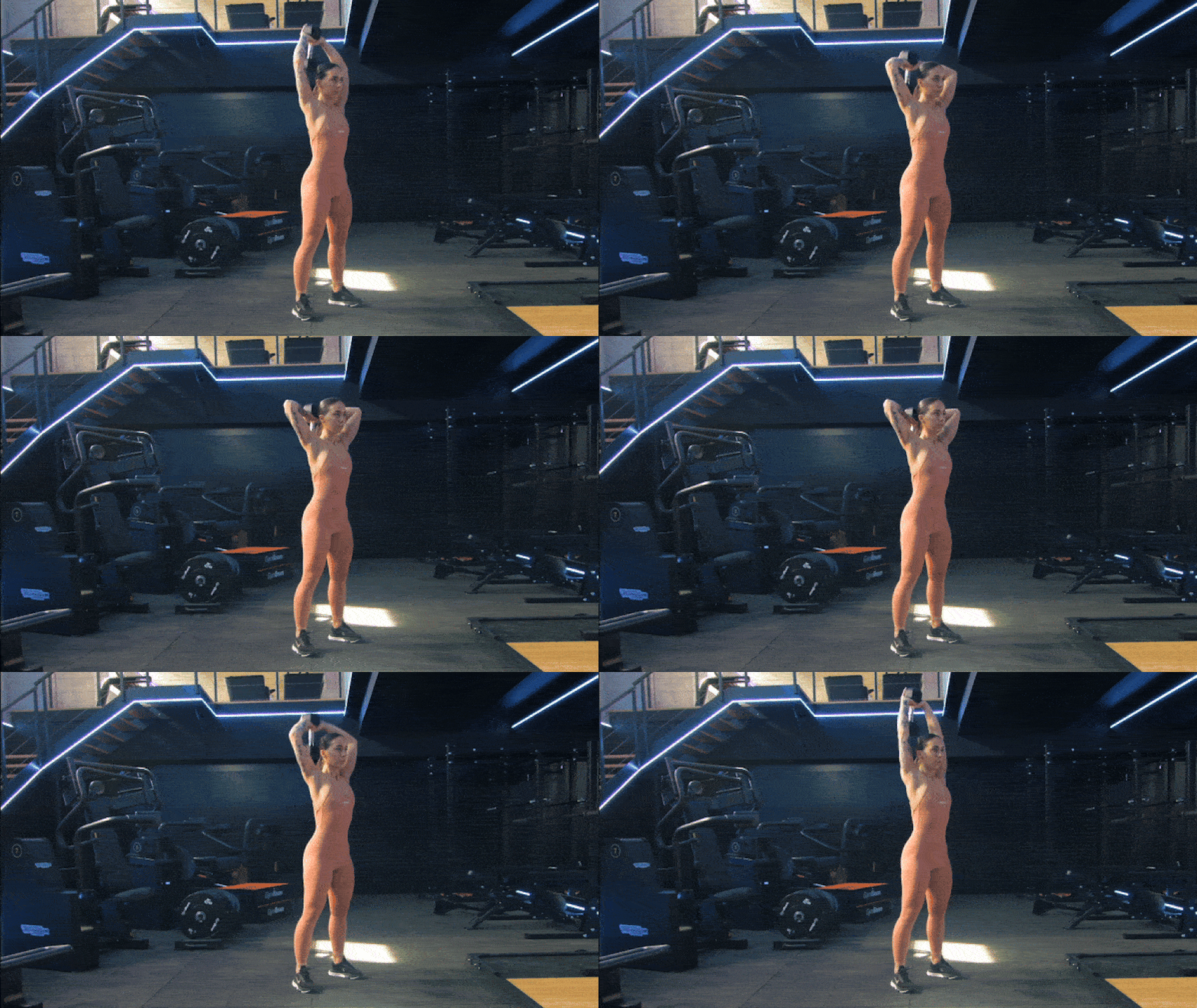
2. Triceps Extensions
- Starting Position: Stand with your feet hip-width apart. Hold the dumbbell with both hands by the weight plates and raise it overhead. Engage your core.
- Execution: Inhale as you bend your elbows and lower the dumbbell behind your neck in a controlled manner to the lowest position possible. Then, exhale as you straighten your arms using a triceps contraction, and follow up with the next repetition. Try to keep your elbows at roughly the same height throughout the movement.
- Common Mistakes: Uncontrolled movement, excessive arching in the lower back, insufficient range of motion, inappropriate weight selection.
Other variations of the exercise
a. Seated Triceps Extensions
Sit upright on a bench with your back straight and perform the exercise as you would in the basic variation.
b. Double Dumbbell Triceps Extensions
Hold a dumbbell in each hand and raise your arms overhead. Then, inhale as you bend your elbows and lower both dumbbells simultaneously.
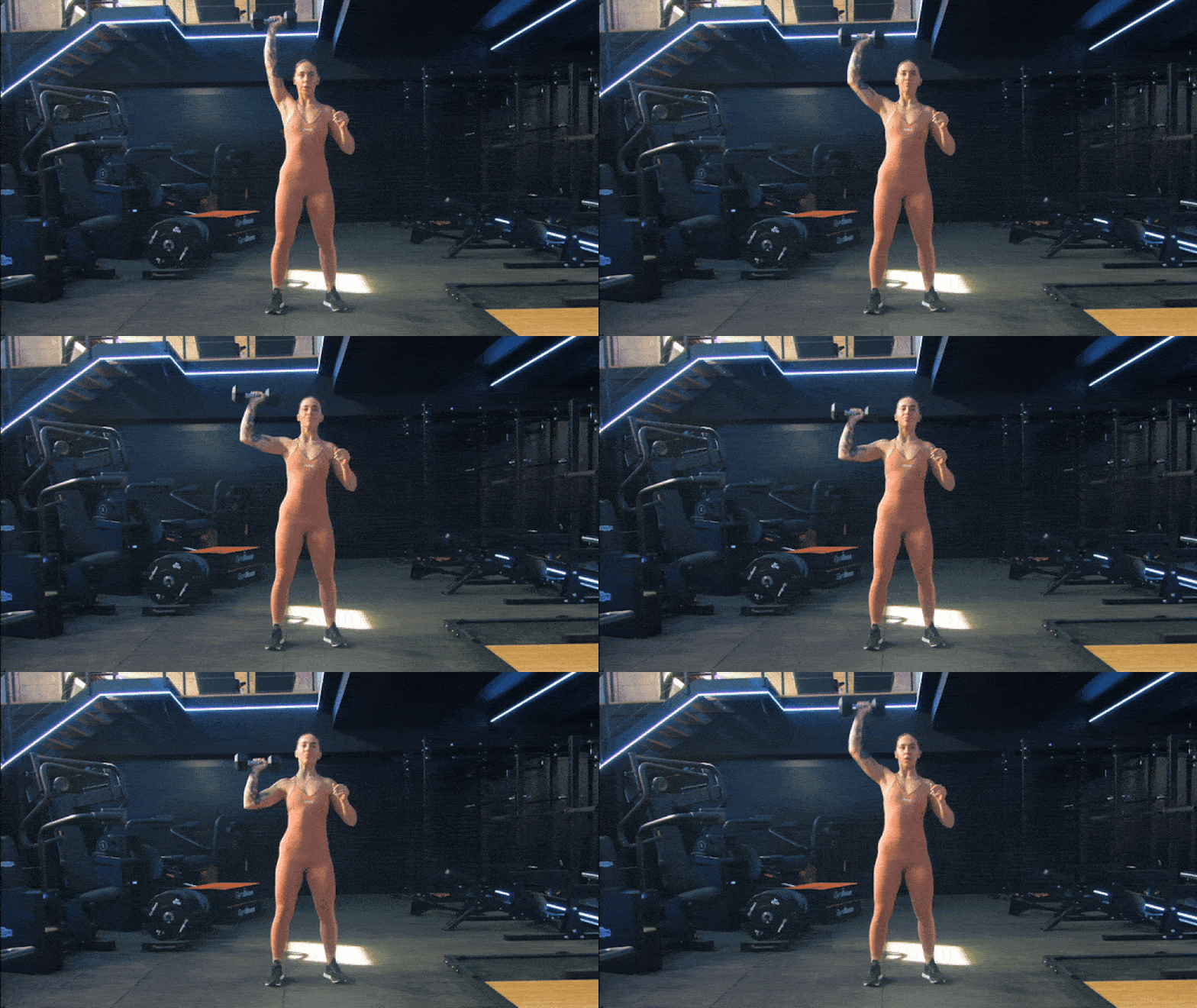
3. Shoulder Press
- Starting Position: Stand with your feet hip-width apart. Hold a dumbbell in one hand, bend your arm at the elbow, and lift it to shoulder height. Rotate your palm forward and keep your wrist straight. Pull your shoulders away from your ears and pinch your shoulder blades together.
- Execution: Exhale as you lift the dumbbell overhead to a fully extended arm. Keep your palm facing forward throughout the movement. Then, inhale as you slowly return to the starting position and follow up with the next repetition. After completing one set, switch arms.
- Common Mistakes: Raised shoulders, bent wrists, uncontrolled movement, limited range of motion, and inappropriate weight selection.
Other variations of the exercise
a. Seated Shoulder Press
Sit upright on a bench with your back straight and perform the exercise as you would in the basic variation.
b. Double Dumbbell Shoulder Press
Hold a dumbbell in each hand and extend your arms out to the sides with elbows slightly bent, as in the basic variation. Then, exhale as you raise the dumbbells overhead.
c. Arnold Dumbbell Press
Sit on a bench with a backrest. Lift the dumbbells to shoulder height, with your palms facing each other. Exhale as you raise the dumbbells overhead, rotating your palms to face forward. Then, return to the starting position and follow up with the next repetition.
4. Chest Press
- Starting Position: Lie with your back on the mat, bend your knees, and pull your feet closer to your glutes. Hold a dumbbell in one hand with an overhand grip. Bend your arm at the elbow to about a 90-degree angle, with your palm facing forward. Your feet should be flat on the mat. Engage your core.
- Execution: Exhale as you use your chest muscles to extend your arm straight out in front of you, nearly fully extending your elbow. Inhale as you slowly return to the starting position and follow up with the next repetition. After completing one set, switch arms.
- Common Mistakes: Uncontrolled movement, lifting the back off the mat, inappropriate weight selection, insufficient range of motion.

Other variations of the exercise
a. Dumbbell Bench Press
Lie on a flat bench and hold a dumbbell in each hand. Then, perform the exercise just like in the basic variation.
b. Incline Bench press
Lie on an inclined bench set at a 20–45-degree angle. Hold a dumbbell in each hand and perform the exercise as you would in the basic variation.
5. One Arm Row
- Starting Position: Kneel with your left knee on a flat bench, lean forward, and support yourself with your extended left arm. Keep your back in its natural curve and your head aligned with your spine. Hold a dumbbell in your right hand.
- Execution: Exhale as you pull the dumbbell towards your waist, keeping your elbow directed upward and your back stable throughout the movement. You can add a 1-2 second hold in the top position. Inhale as you slowly return to the starting position and follow up with the next repetition. Complete the set before switching sides.
- Common Mistakes: Limited range of motion, using momentum, rounding the back.

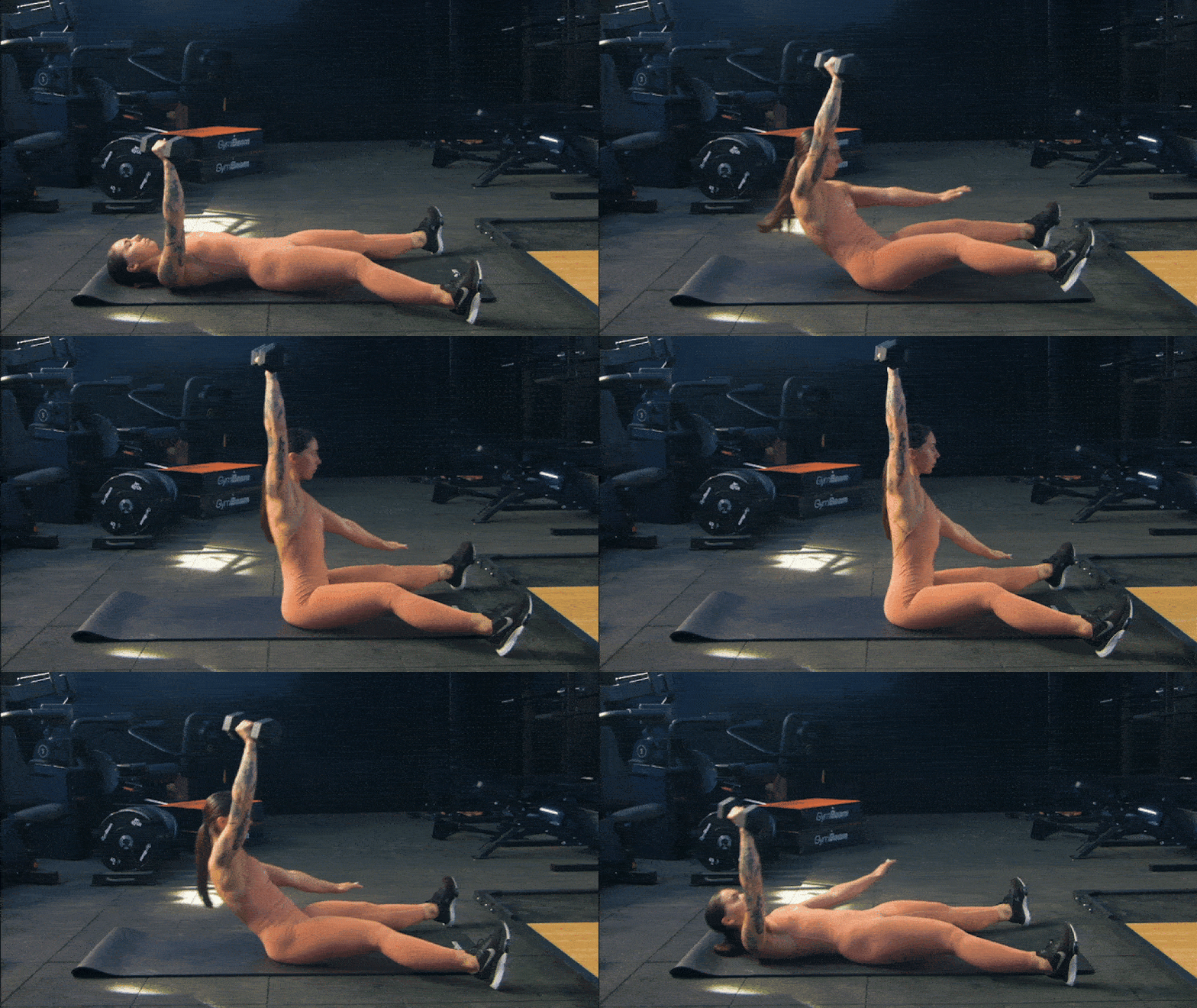
6. Sit-Ups
- Starting Position: Lie with your back on the mat with your legs spread and slightly bent at the knees. Hold a dumbbell in one hand and extend your arm straight up.
- Execution: Exhale as you engage your abdominal muscles to lift your head, upper, and lower back off the mat until your torso is fully extended. Keep your gaze forward and avoid tilting your head back. Inhale as you slowly return to the starting position and follow up with the next repetition. To make the exercise easier, bend your legs a bit more and pull your feet closer to your glutes. Alternatively, you can start by performing the exercise without the dumbbell. Complete the set and switch sides.
- Common Mistakes: Uncontrolled movement, limited range of motion, insufficient engagement of the abdominal muscles.
7. Russian Twist
- Starting Position: Sit on the mat with your back straight and slightly reclined. Keep your head aligned with your spine. Bend your knees and keep your heels on the mat. Beginners can lift their feet only a few centimetres off the ground or keep them on the floor. Hold the dumbbell firmly with both hands at the ends.
- Execution: Exhale as you rotate your torso and arms with the dumbbell to one side. Focus on making the movement come primarily from your abdominal muscles while keeping your back straight. Then, smoothly rotate to the other side.
- Common Mistakes: Limited range of motion, rounding of the back.

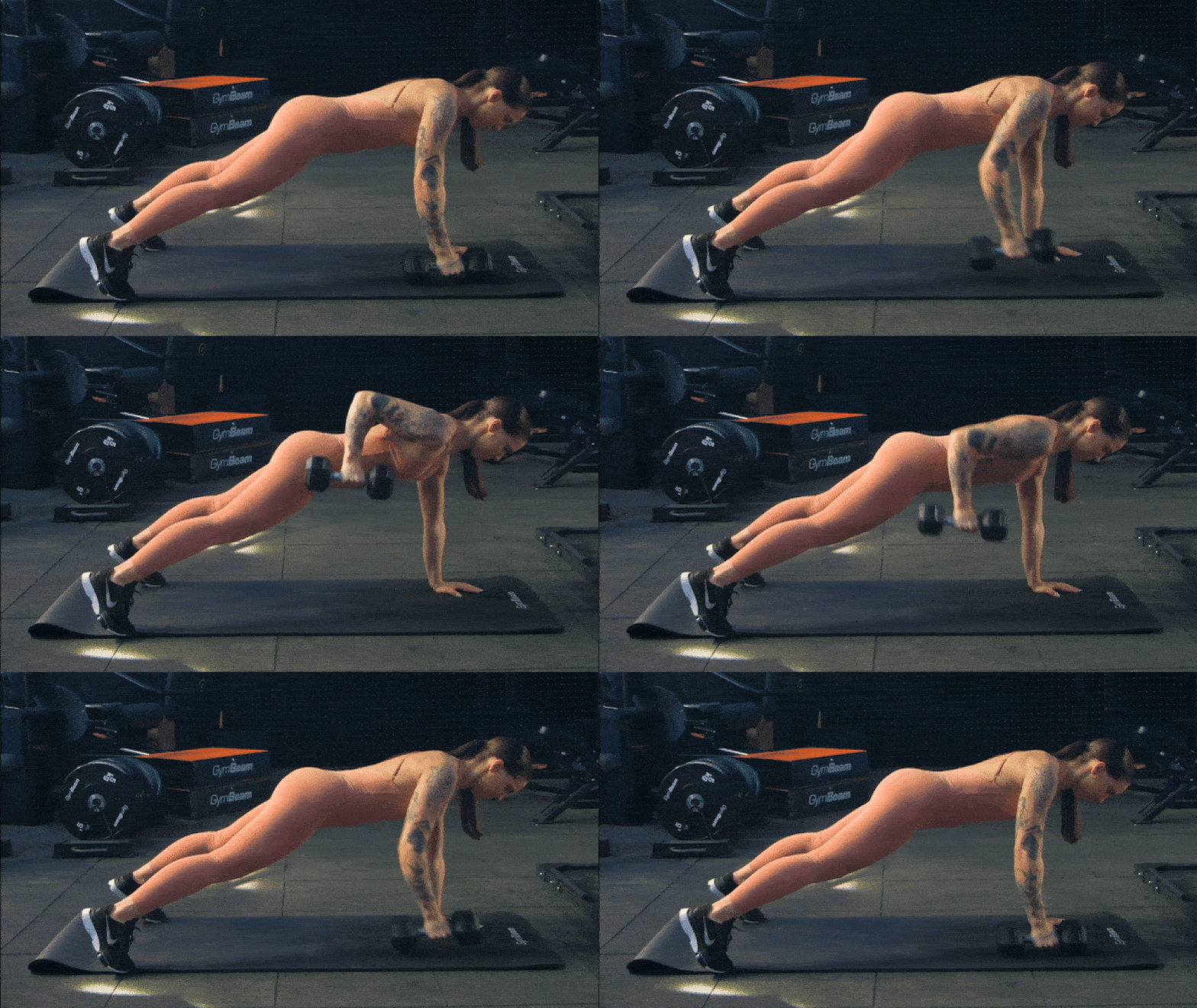
8. Plank With Dumbbell Row
- Starting Position: Kneel on the floor and transition into a plank position on extended arms. Hold a dumbbell in one hand.
- Execution: Exhale as you lift one extended arm. Start by lifting it just a few centimetres off the ground, gradually increasing the range of motion until it reaches waist height. Return it to the starting position and follow up with the next repetition. Complete the set with one arm, then switch arms.
- Common Mistakes: Rounding the back, hips dropping towards the ground, excessive lifting of the pelvis, leaning to one side.
For more effective plank variations, check out the article: 24 Most Effective Plank Variations
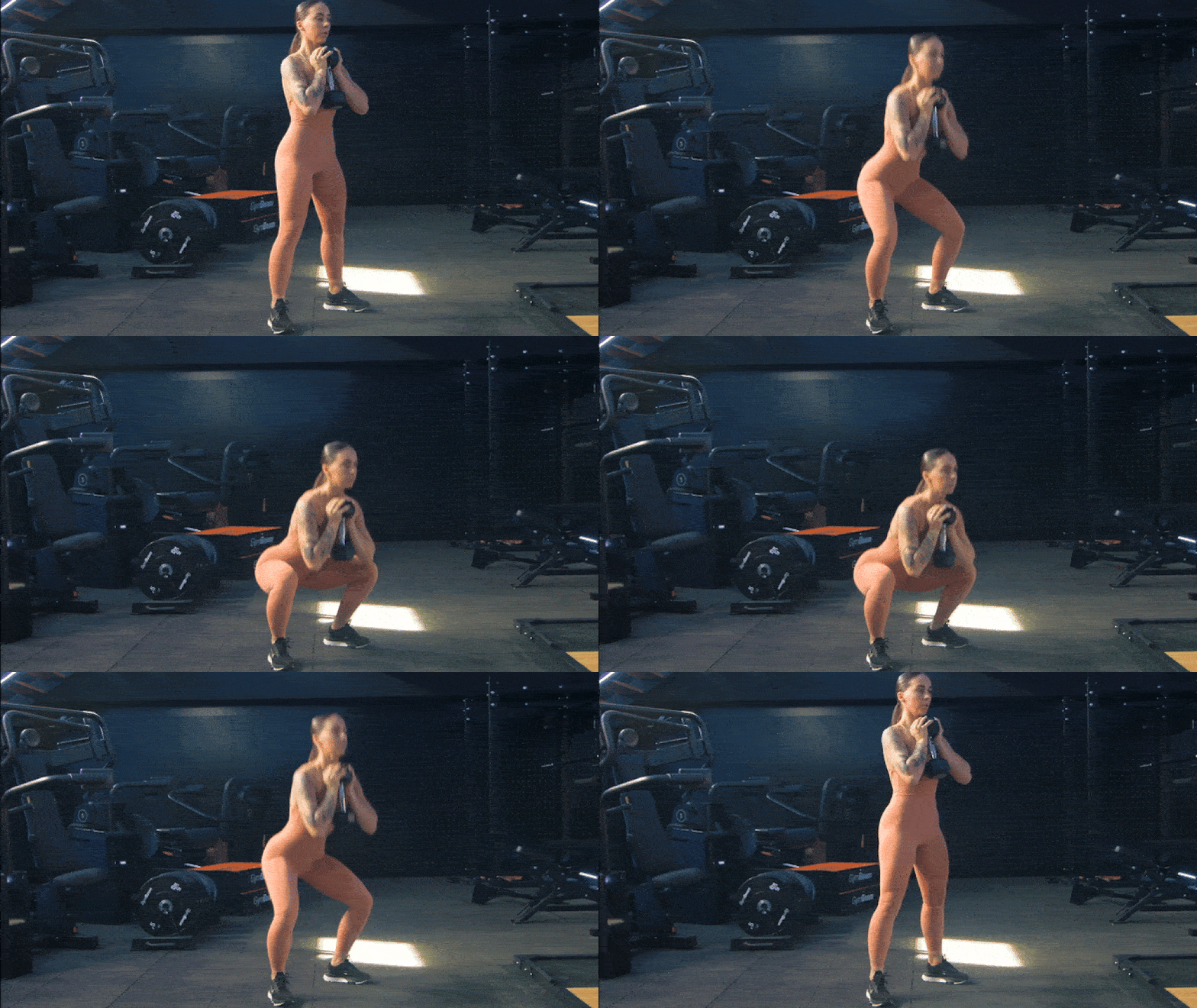
9. Goblet Squat
- Starting Position: Stand with your feet about hip- to shoulder-width apart. Hold the dumbbell with both hands by the weight plate, and lift it to chest level, keeping it parallel to your body.
- Execution: Inhale as you push your hips back and down to lower into a squat, keeping the dumbbell in front of your body. Exhale as you smoothly return to the standing position by activating your glutes and the front of your thighs. Afterwards, follow up with the next repetition.
- Common Mistakes: Rounding the back, limited range of motion, leaning forward, knees caving inward, uneven weight distribution, shifting weight onto the toes or heels, excessive or insufficient weight selection.
To learn everything about proper squat technique and the most effective variations, check out the article: Squats: Benefits, Proper Execution and the Most Effective Variations for Both Home and the Gym
10. Bulgarian Squat
- Starting Position: Stand with your back to a box or bench, with your feet hip-width apart. Place your right foot on the box or bench behind you. Hold a dumbbell in your right hand.
- Execution: Inhale as you bend the knee of your front leg and perform a stationary lunge. You may lightly touch the floor with the knee of your back leg in the bottom position. Then, exhale as you straighten up and immediately follow up with the next repetition. After completing one set, switch legs, hold the dumbbell in the other hand, and perform the same number of repetitions.
- Common Mistakes: Limited range of motion, poor movement coordination, excessive or insufficient weight selection.

Other variations of the exercise
a. Double Dumbbell Bulgarian Squat
Grab a dumbbell in each hand and perform the exercise just like in the basic variation.
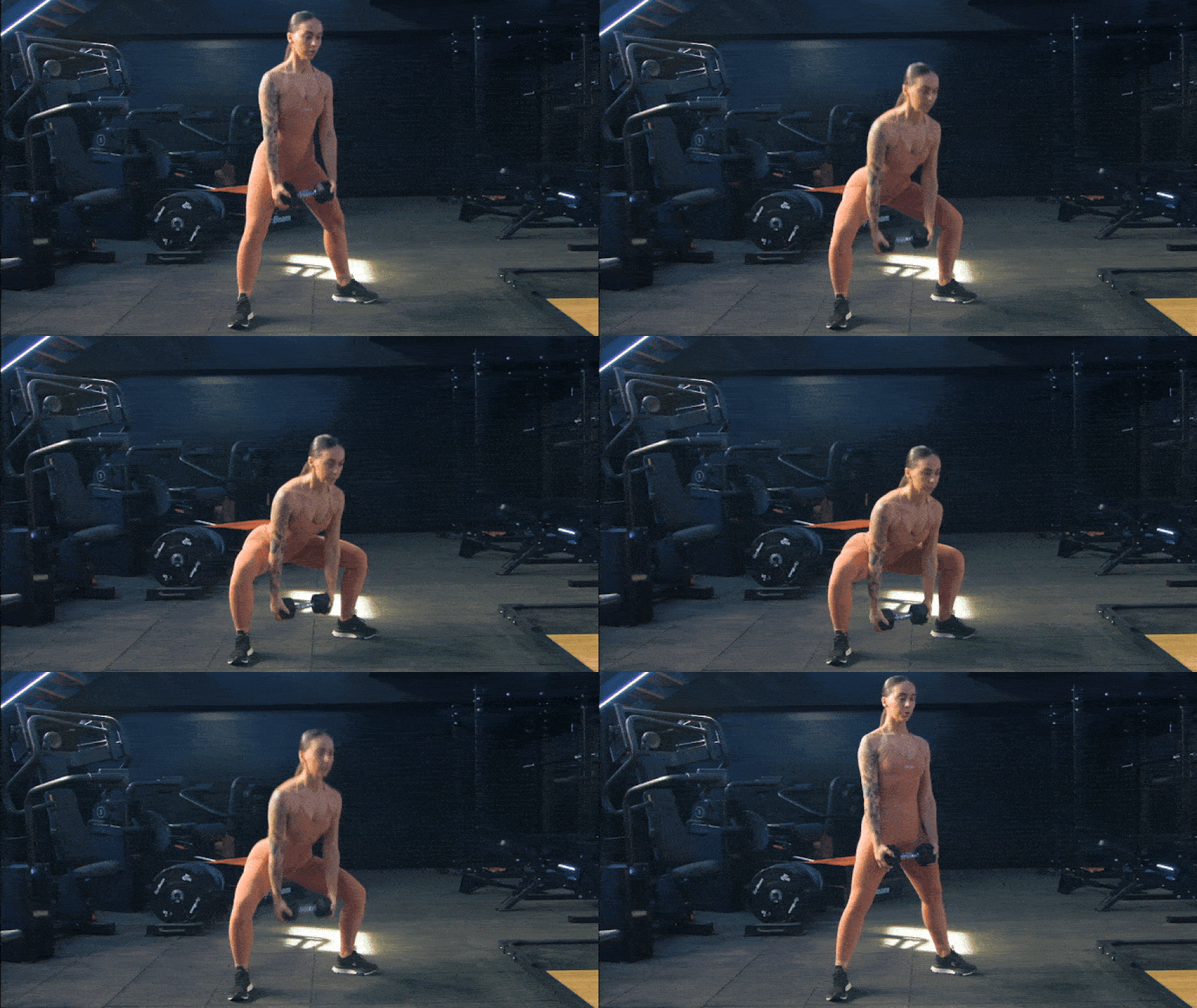
11. Sumo Deadlift
- Starting Position: Stand with your feet wider than shoulder-width apart, with your toes and knees pointed outward. Hold a dumbbell with both hands by the weight plates and keep your arms extended in front of your pelvis. Maintain a natural curve in your back and keep your head aligned with your spine.
- Execution: Inhale as you move your pelvis back, lean slightly forward, and bend your knees. In the bottom position, the dumbbell should be just a few centimetres above the ground. Then, exhale as you slowly return to the starting position, straightening your knees first and then your back. Immediately follow up with the next repetition.
- Common Mistakes: Rounding the back, uncontrolled movement, limited range of motion.
12. Thruster
- Starting Position: Stand with your feet hip-width apart. Hold a dumbbell in one hand, bend your arm at the elbow, and raise it to shoulder height. You can place your other arm on your hip, out to the side, or extended in front of you to help with stability. Your palm should face forward. Keep your head in line with your spine and your back in its natural curve. Engage your core.
- Execution: Inhale as you perform a squat. Exhale as you smoothly straighten up by engaging your glutes and the front of your thighs. In the final phase of the lift, press into the dumbbell and raise your arm overhead. After completing the set, switch the dumbbell to your other hand and perform the same number of repetitions.
- Common Mistakes: Rounding the upper back, limited range of motion, leaning forward, knees caving inward, uneven weight distribution, shifting weight to the toes or heels.

Other variations of the exercise
a. Double Dumbbell Thruster
Grab a dumbbell in each hand and perform the exercise just like in the basic variation.
Where to Go From Here?
- In the gym or your home workout space, you can also exercise with a barbell. Discover the most effective exercises in the article: How to Exercise With a Barbell? 10 Basic Exercises for the Whole Body
- You can get a full-body workout using a power bag. Get inspired by the article: Top 15 Full-Body Exercises With a Power Bag
- For targeting major muscle groups, you can also include exercises from the article: Top 13 Exercise Ball Exercises for a Full-Body Workout
- You can also spice up your workouts with a balance half-ball. For an effective workout routine, check out the article: 10 Best Balance Half-Ball Exercises to Improve Balance, Strengthen Your Back and Entire Body
What Are the Main Takeaways?
Dumbbell exercises are a staple in the training routines of nearly every strength athlete. They are effective for strengthening both upper and lower body muscles. You can select dumbbells of varying weights to match the exercise and your strength level, making them suitable for both beginners and advanced athletes. For optimal results, aim to include these exercises in your routine at least twice a week, and complement your workouts with adequate rest and a balanced diet.
Did you find this article helpful? If so, share it with your friends and spread the inspiration for dumbbell workouts.
[1] Back Then History. The History of Dumbbells. – https://www.backthenhistory.com/articles/the-history-of-dumbbells
[2] 5 Benefits of Dumbbell Training. – https://www.acefitness.org/resources/pros/expert-articles/5675/5-benefits-of-dumbbell-training/
[3] Muscle & Fitness. The 7 Advantages of Dumbbell Training. – https://www.muscleandfitness.com/workouts/workout-tips/7-advantages-dumbbell-training/
[4] Ide, B. N., Leme, T. C. F., Lopes, C. R., Moreira, A., Dechechi, C. J., Sarraipa, M. F., Da Mota, G. R., Brenzikofer, R., & Macedo, D. V. Time course of strength and power recovery after resistance training with different movement velocities. – https://doi.org/10.1519/JSC.0b013e3181e7393f
Add a comment