

Table of Contents
Collagen is an insoluble protein that accounts for up to one-third of the total protein in the human body. It is found in several tissues of the body, such as bones, tendons, and ligaments, and is a major component of connective and extracellular tissue. To sum it up, it is the most abundant protein not only in humans but in the animal kingdom overall. [1] [3]
However, this is not the only uniqueness of this protein – it is the oldest discovered protein. It was found in the soft tissue of the fossilized bone of the Tyrannosaurus Rex, which was up to 68 million years old. Of course, collagen is not just one universal and there are several types of collagen. [2]
Types of collagen
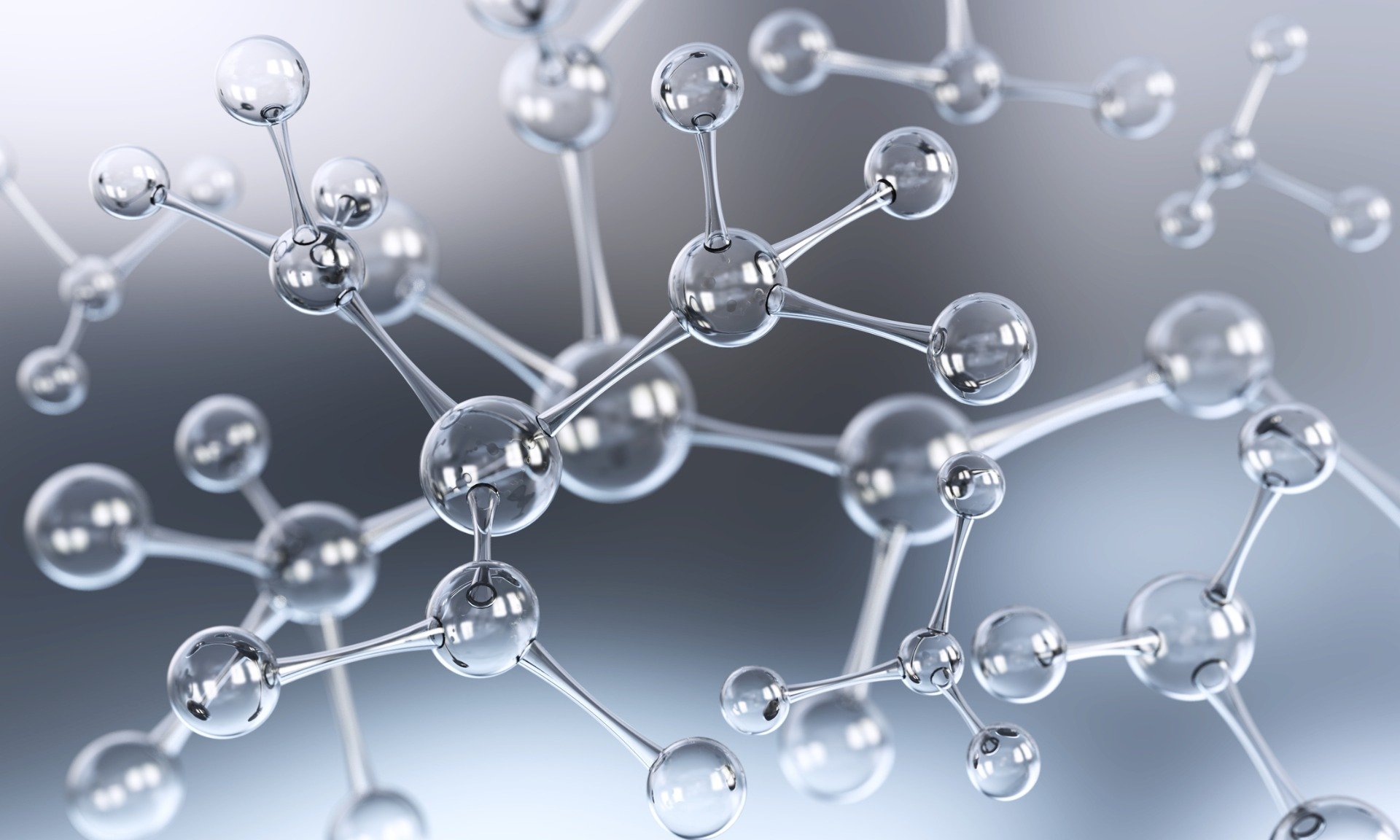
Like other proteins, collagen consists of amino acids. Collagen is interesting in that the triple helix structure of its molecule arises from the unusual abundance of glycine, proline, and hydroxyproline. Modern science has identified up to 28 types of collagen in vertebrates, but types I, II, and III in the body represent up to 80-90%. [1] [2]
There are several types of collagen, and although their structures are different, their purpose is the same – to help tissues manage their “stretching”. Different types of collagen occur in different “parts” of the human, so it is not wasteful to imagine at least the occurrence of the I, II, and II. type [1]:
- Type I. – skin, bones, tendons, ligaments, dentin, interstitial tissues
- Type II. – cartilage, vitreous humour
- Type III. – skin, muscles, blood vessels
Collagen and its deficiency
Let’s start with the “bad” news and then we’ll just make it better. The natural loss of collagen affects us all because its production decreases with age. On the other hand, with our lifestyle, we can still “help” it. Our body makes collagen on its own, but its production in the skin decreases by about 1% every year. If you think that this process begins in the 70s or 50s, we will probably surprise you, because the loss of creation occurs after the 20s. [4] [5]

As we have already mentioned, in addition to the natural reduction of collagen content, we also contribute to its loss by our lifestyle. Negative factors include [6] [7]:
- Increased carbohydrates intake – sugar has a negative effect on collagen and its ability to be repaired.
- Smoking – has a negative effect due to the nicotine content, but also the content of other chemicals.
- Increased exposure to sunlight – not so much the sun as ultraviolet radiation causes collagen to break down.
- Autoimmune diseases – certain immune disorders can cause our immune system, more specifically, antibodies, to “focus” on collagen.
Collagen sources
Collagen is produced naturally in the body, but its level can be increased in the form of diet and nutritional supplements. By consuming certain foods, you get important nutrients that are important for collagen, including vitamin C, vitamin A, copper, or proline. Vitamin A is found in animal products, but also in the form of beta carotene in plant sources. Vitamin C is present in a wide range of vegetables and fruits, such as citrus, pepper, or strawberries. Proline can be found in meat, cheese, or egg whites. Copper is also important, which you can supplement with the consumption of red meat or shellfish. [7]

Are you looking for a practical and concentrated source of collagen? In addition to broth, meat, eggs, or fruits and vegetables, you can increase your collagen levels by taking supplements. You can find them on the market, for example, as beauty drinks for women, optionally separately in the form of hydrolysed collagen, sea fish capsule collagen, complex joint nutrition, RTD drink or shots.
You might be interested in these products:
Want to learn more about dietary collagen sources? You will find everything important in the article – How to receive more collagen from dietary sources?
Benefits of using collagen
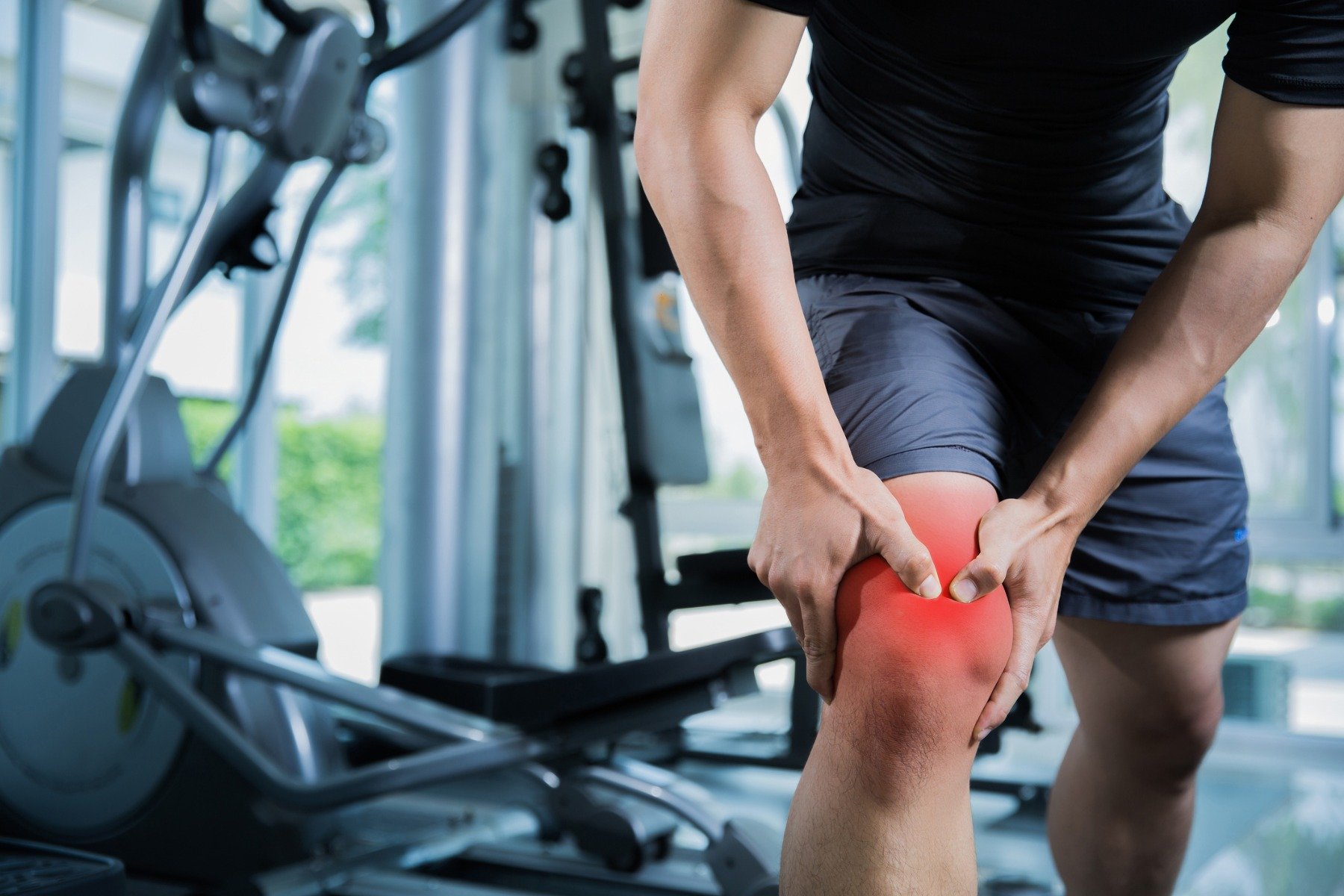
- It helps with joint pain – collagen is one of the dominant components of connective tissues and the importance of its supplementation has also been proven by research. According to research from 2012, collagen supplementation is important for athletes in reducing pain and other parameters that limit athletic performance. In addition, there are studies with positive results in osteoarthritis and osteoporosis. According to research from 2006 (Bello, Oesser) and 2016 (Porfírio, Fanaro), collagen has the potential to improve these conditions. A daily intake of collagen at the level of 12 g showed a significant improvement in the symptoms of osteoporosis and osteoarthritis. [8] [9] [10] [11]

- It supports the health of the skin – in addition to the joints, it is also important for the skin, and its beneficial effects are also confirmed by the results of scientific studies. One example is a study from 2013 (Proksch, Schunck, Zague, Segger), which points to a positive effect of collagen supplementation in reducing wrinkles. [9] [12]
Wondering which type of collagen to use for healthy skin or healthy joints? You can find this and other information in the article – How to choose the best collagen for healthy skin and joints?
- It helps to build muscle mass – its use is also important for older people with sarcopenia (a disease associated with muscle reduction). This is evidenced by a study that looked at 53 elderly men with the disease. In the end, it was found that the use of collagen had a positive effect on strength and muscle growth. [13] [14]

- Other benefits of collagen – Scientific studies have shown several other benefits of collagen for the human body. It is beneficial in inflammatory diseases of the digestive tract, prevention of stretch marks and cellulite, support of healthy nails, and weight control. [4] [15] [16] [17] [18]
The content of amino acids in collagen and protein
What is amino spiking?
The amino acid content of the protein is also associated with the term “amino spiking”, which in a way is related to this topic. If you haven’t heard of it yet, you’ll probably be surprised and maybe start watching the ingredients on the product more closely. So-called amino spiking is a method of increasing the protein content in protein supplements. This is probably due to competition between firms and rising protein prices. But what is it about? [19]
Amino spiking is a method in which cheaper amino acids, such as glycine and taurine, are added to a protein. The aim is to increase the nitrogen content for the imaginary protein content. In addition to the mentioned amino acids, you may find that creatine or other nitrogen-containing substances are also added. The purpose is to increase the nitrogen content, which increases the percentage of protein. At first glance, this may not seem undesirable, but the opposite is true. [19]
You may have just thought – more amino acids, more muscle fuel. However, amino spiking is not something you should desire.
Protein intake is mainly about the essential amino acids that the body needs to build muscle and cannot be naturally produced. Although the amino acids taurine and glycine have positive effects, they do not stimulate muscle protein synthesis very well, and with arginine and glutamine, they are known as – partly essential. In other words, this means that your body knows how to create them, so by using “joined” proteins, you receive something that your body can “handle” itself. In addition, as a customer, you look at the proportion of protein and compare it with the price – you may think that it is a quality and yet affordable product. Unfortunately, the opposite is true, you bought an affordable product, but with a considerable content of not so many desired ingredients. [20]
Another “dirty method” regarding beef protein is that you do not find meat proteins in it, but collagen hydrolyzate from beef bones, skin, or tendons. As we have already mentioned, collagen is also a protein, so the product can be called beef protein. Does that sound absurd to you? [19]
Try to imagine adding further amino acids to the product for more interesting protein content and amino acid profile. A fantastic product has seen the light of this world and you can think it is made of beef. How can you uncover this “disguise”? [19]
If you can remember, in the previous chapters, you will find that collagen is characterized by a different content of amino acids and a higher proportion of glycine, proline, and hydroxyproline. It is the high proportion of the three amino acids and alanine that may reveal this. The meat has significantly fewer of them, and you can notice this when checking the amino acid content of the protein. For comparison, we present the proportion of these amino acids in meat and collagen [19]:
| COLLAGEN (CONTENT IN PERCENTAGE) | MEAT (CONTENT IN PERCENTAGE) | |
|---|---|---|
| Alanine | 10,9 % | 6,25 % |
| Glycine | 32,9 % | 6,26 % |
| Hydroxyproline | 9,5 % | 1,08 % |
| Proline | 12,6 % | 4,9 % |
Amino spiking certainly does not apply to every single protein on the market, but it is possible that you will encounter it when buying protein powders. Therefore, check the composition for extra taurine, glycine, or creatine and do not settle for just the percentage of protein in the front of the package. Besides, note that in addition to glycine, you do not have suspiciously rich levels of alanine, proline, and hydroxyproline in beef protein. Yes, it can mean that you actually consume collagen instead of protein. However, if you are looking for a source of collagen for joints and cartilage, buy proper collagen and for amino acids from protein buy quality protein powder. Do you have higher demands on your body? Be demanding on the fuel that you feed it with.
This article revealed some information about collagen, its health benefits, and we also looked at why amino acids are artificially added to protein supplements. Remember that it is useful to control not only the total protein content of the protein powder but also the number of content of certain amino acids to avoid amino spiking. We believe that you learned everything you need about collagen and its importance not only for healthy joints in the article. Do you want your friends to know about collagen and its benefits? Feel free to support the article by sharing.
[1] Lodish H, Berk A, Zipursky SL - Molecular Cell Biology. 4th edition – Collagen: The Fibrous Proteins of the Matrix – https://www.ncbi.nlm.nih.gov/books/NBK21582/
[2] Matthew D. Shoulders, Ronald T. Raines – COLLAGEN STRUCTURE AND STABILITY – https://www.ncbi.nlm.nih.gov/pmc/articles/PMC2846778/
[3] Dr. Ananya Mandal, MD – What is Collagen? – https://www.news-medical.net/health/What-is-Collagen.aspx
[4] Makayla Meixner MS, RDN – Do Collagen Supplements Work? – https://www.healthline.com/nutrition/do-collagen-supplements-work
[5] Why does skin wrinkle with age? What is the best way to slow or prevent this process? – https://www.scientificamerican.com/article/why-does-skin-wrinkle-wit/
[6] Kerri-Ann Jennings, MS, RD – Collagen — What Is It and What Is It Good For? – https://www.healthline.com/nutrition/collagen
[7] James McIntosh – What is collagen, and why do people use it? – https://www.medicalnewstoday.com/articles/262881
[8] Clark KL, Sebastianelli W, Fleschsenhar KR, Aukermann DF, Meza F, Deitch JR, Sherbondy PS, Albert A. – 24-Week study on the use of collagen hydrolysate as a dietary supplement in athletes with activity-related joint pain. – https://www.ncbi.nlm.nih.gov/pubmed/18416885
[9] Brianna Elliott, RD – Top 6 Benefits of Taking Collagen Supplements – https://www.healthline.com/nutrition/collagen-benefits
[10] Elisângela Porfírio, Gustavo Bernardes Fanaro – Collagen supplementation as a complementary therapy for the prevention and treatment of osteoporosis and osteoarthritis: a systematic review – https://www.scielo.br/pdf/rbgg/v19n1/1809-9823-rbgg-19-01-00153.pdf
[11] Alfonso E Bello, Steffen Oesser – Collagen hydrolysate for the treatment of osteoarthritis and other joint disorders: a review of the literature – https://pubmed.ncbi.nlm.nih.gov/17076983/
[12] E Proksch, Michael Schunck, V Zague, Dörte Segger – Oral Intake of Specific Bioactive Collagen Peptides Reduces Skin Wrinkles and Increases Dermal Matrix Synthesis – https://www.researchgate.net/publication/259628887_Oral_Intake_of_Specific_Bioactive_Collagen_Peptides_Reduces_Skin_Wrinkles_and_Increases_Dermal_Matrix_Synthesis
[13] Jenna Fletcher – What to know about collagen supplements – https://www.medicalnewstoday.com/articles/325344
[14] Denise Zdzieblik, Steffen Oesser, Manfred W. Baumstark, Albert Gollhofer, Daniel König – Collagen peptide supplementation in combination with resistance training improves body composition and increases muscle strength in elderly sarcopenic men: a randomised controlled trial – https://www.ncbi.nlm.nih.gov/pmc/articles/PMC4594048/
[15] I E Koutroubakis, E Petinaki, P Dimoulios, E Vardas, M Roussomoustakaki, A N Maniatis, E A Kouroumalis – Serum laminin and collagen IV in inflammatory bowel disease – https://www.ncbi.nlm.nih.gov/pubmed/14600124
[16] HEALTHY SKIN: THE COLLAGEN CONNECTION – Collagen for Vibrant Skin – https://sprooslife.com/collagen-benefits-skin/
[17] Doris Hexsel, Vivian Zague, Michael Schunck, Carolina Siega, Fernanda O Camozzato, Steffen Oesser – Oral supplementation with specific bioactive collagen peptides improves nail growth and reduces symptoms of brittle nails – https://pubmed.ncbi.nlm.nih.gov/28786550/
[18] I G Rubio, G Castro, A C Zanini, G Medeiros-Neto – Oral ingestion of a hydrolyzed gelatin meal in subjects with normal weight and in obese patients: Postprandial effect on circulating gut peptides, glucose and insulin – https://pubmed.ncbi.nlm.nih.gov/18319637/
[19] What is Amino Spiking in your protein shake? – https://www.supplementlabtest.com/articles/what-amino-spiking-your-protein-shake
[20] Billy Galipeault – What Is Amino Spiking? Should You Be Worried? – https://us.myprotein.com/thezone/training/amino-spiking/
Add a comment