
Table of Contents
You’ve probably already heard of whey and whey protein. These terms are constantly being bandied about in the fitness and healthy lifestyle industry, especially due to their wide range of benefits to your health. You may have even tried whey yourself in the past and after you’ve recently started working out, you’ve thought of it again. After all, it is supposed to help build muscle. But when you were discussing your shake after a sparring session, thinking that there was no difference between whey and whey protein, you found out that things are a little different.
Whey protein is one of the most widely used dietary supplements of all time. It is used not only by athletes, but by practically anyone who cares about their health and cares about a balanced diet with a sufficient proportion of protein. But what is the difference between whey and whey protein? Do they have the same properties and nutritional values? What benefits can whey protein bring you and why or how should you use it? We will answer these questions and many more in this article. We will also shed light on why this “chemical powder” is not a steroid, so you can reassure your parents or grandparents.

Whey vs. whey protein
Whey and whey protein are not that different. In fact, without whey itself, we couldn’t ever make whey protein. So what are the main differences between them and how is whey protein made?
What is whey?
Whey is commonly produced as a by-product of cheese making. It all starts by adding a special enzyme called chymosin (rennet) to the milk. This enzyme causes the milk proteins (casein proteins – these are sometimes used to make overnight casein proteins) to curdle and split the milk in two. This produces liquid whey and solid curds, which are used to make cheese. The whey is light yellow in colour and is approximately 94 % water. To make it last longer and keep better, it is often dried into a powder.
Since the main product of production was cheese and other dairy products, whey was often considered waste. There was no meaningful use for it and it often ended up in sewers or drains. Fortunately, this has changed over time. I’m sure you’ve seen whey before. Just open a yoghurt and the liquid on the surface is whey. There’s no point in pouring it out, but ideally stir it in and enjoy the full flavour of the yoghurt. Although it contains very high quality protein, it is not so glamorous with the proportion of protein, so the question was how to take advantage of it?[1,2]
What is whey protein?
As we have already mentioned, whey was considered waste in the past and it was not known what to do with it. As a result, it was often discharged into rivers, lakes and other waterways, which had an ecological burden. However, a small part was also used as animal feed.
With the arrival of newer and newer technologies came the first ideas on how to get the best out of it and thus create a valuable and nutritionally richer raw material. Thus, liquid whey was gradually turned into concentrated whey proteins with a protein content in the range of approximately 20-89%, which was typical of Whey Protein Concentrate (WPC), using various methods (from simple concentration and drying, ion exchange to modern filtration methods). In modern times, thanks to the use of filtration methods, we are able to obtain protein with up to 90% protein content, which is common for whey protein isolates (WPI – Whey Protein Isolate). [2,17]
How is whey protein produced?
The whey protein journey starts on a dairy farm, where the milk is expressed and then goes to a processing plant. There, rennet is added and the milk is separated into liquid whey and solids. Before the whey becomes, for example, the popular chocolate protein, it has to go through several more steps. The whey protein is separated, concentrated and dried. Flavourings, sweeteners or other ingredients are then added. Finally, everything is then packaged.

The production process can also illustrate to you that the main component of whey protein is a completely natural raw material (milk). Only further technological modifications will yield a protein powder that perhaps still inspires terror in the eyes of many parents. It is in no way a steroid or other banned substance.
Let’s go back in time
In the modern world of sports nutrition, whey protein has become one of the most popular and widely studied dietary supplements used by athletes and active people around the world. You may have also wondered when and what caused the boom and if it’s not just some modern invention or hyped product. Let’s see what history reveals.
Whey
- The first surviving references to milk processing date back to around 7,000 years ago. Specifically, there were traces of milk found in vessels examined from Poland. [3]
- Whey itself, was discovered about 3,000 years ago, when it was noted while transporting milk in the stomachs of calves. These were used at the time as storage and transport bags. Due to the natural occurrence of the enzyme chymosin in these milk bags, the protein was thus precipitated during transport. [2]
- As early as Hippocrates, whey was even prescribed to his patients to boost the immune system. Therefore, he must have known there was something more to it. [3]
- His ideas about this nourishing liquid were supported by other respected thinkers such as Galen, who saw whey as a “therapeutic water“. [3]
- Later in the 17th century in England, whey was used as a trendy drink and subsequently whey baths and bars began to be built. Here, for example, porridge, drinks and soups with whey were served. [3]
- In today’s modern terms, whey is most commonly available and used in liquid or dried form. [3]
Whey protein
- One of the first products similar to whey protein powder was produced in Germany in the 19th century, and a drink called Plasmon was introduced to the world. Due to its rich nutritional profile, it was intended for sick people. Later, however, it was also promoted by Eugene Shadow, who is sometimes regarded as the “father of modern bodybuilding”, which brought it to the attention of the general public. [3]
- In the 20th century, there were further attempts to produce whey proteins aimed specifically at athletes and bodybuilders. Among the innovators were Bob Hoffman and his product Hi-Proteen. However, his efforts were not very successful. He claimed that protein supplements built muscle and promoted well-being, which got him into legal trouble and brought charges of misleading the public. As a result, his products were seized by the Food and Drug Administration (FDA) and he had to retract his dubious health claims. Unfortunately, at this time there was not yet sufficient scientific evidence to support his claims. [3]
- With the emergence of innovative production methods, the types and kinds of proteins have expanded into a modern form of product offering. Today, you can choose from several different forms, including whey concentrates, isolates or hydrolysates, or blends of these, such as Just Whey. [3]
You might be interested in these products:
Nutritional values and ingredients
That these two foods are derived from milk is something that has already been discussed. Milk itself is a nutritionally rich and valuable source of nutrients such as calcium, iodine and complete protein. For this reason, should whey and whey protein be similar, or even better? Let’s take a closer look.
Whey and whey protein alone contain all the macronutrients, i.e. proteins, carbohydrates and fats. However, whey has a much higher proportion of carbohydrates, a similar fat content, and a lower proportion of protein. But let’s focus mainly on the proteins, for which whey and whey protein are most often sought after.
Whey protein is generally considered to be one of the most valuable and of the highest quality. Its biological value (BV) is so exceptional that it exceeds the BV of an egg by 15%. Why compare eggs to protein? Because eggs are considered one of the best quality options in this regard, and sometimes even a BV benchmark. This is the value against which other sources are then compared in terms of protein quality. It is, after all, from them that life is created.
Whey protein also contains all the essential amino acids and a relatively large amount of BCAAs. It is therefore a complete protein with a very good amino acid spectrum. As far as the carbohydrate content is concerned, lactose makes up the majority, if not all of it. [1]
In addition to the most abundant whey proteins – beta-lactoglobulin, alpha-lactalbumin and glycomacropeptides, they also contain various other biologically active protein fractions:
- Lactoferrin is known for its antimicrobial effects. For example, it has also been shown to have a positive effect on strengthening bone tissue (osteoblast growth) and, in turn, reducing the activity of cells that weaken it (osteoclast inhibition), which may help prevent osteoporosis (thinning of the bones). This can be appreciated, for example, by women after menopause, when bones naturally weaken. [2]
- Immunoglobulins support the immune system and can help fight inflammation or infection. It also appears that they can reduce recovery time and even promote gut health. [2]
- Lactoperoxidase is another protein which has an antimicrobial function. [2]
- Other peptides can then act as antioxidants. By blocking the enzyme ACE, which plays a key role in blood pressure regulation, they may also have a positive effect on reducing the risk of high blood pressure. In addition, they may also reduce the risk of developing diabetes mellitus. [6]
Of course, these biologically active protein fractions are typically found in both whey and the protein itself, so it doesn’t really matter which one you use, or does it? The main difference lies in comparing their percentages of protein and other macronutrients.
Average nutritional values of whey powder:
Nutritional values | 100 g |
|---|---|
| Energy value | 353 kcal |
| Protein | 12.9 g |
| Fats | 1.07 g |
| Carbohydrates | 74.5 g |
| of that sugars | 74.5 g |
| Calcium | 796 mg |
Average nutritional values of WPC80 whey protein:
Nutritional values | |
|---|---|
| Energy value | 390 kcal |
| Protein | 79 g |
| Fats | 4.5 g |
| Carbohydrates | 9 g |
| of that sugars | 8 g |
| Calcium | 566 mg |
Although these are just average values and may vary by product, it is clear to see that whey protein has a much higher protein content than whey alone. [4,5]
If you were to consume the typical 30g of protein in a post-workout drink, you would need to consume more than 200g of whey powder versus just 37.5g of whey protein. Not to mention the fact that with this amount of whey you take in over 150 g of carbohydrates, especially simple ones (lactose), and much more total energy (821 kcal). For whey protein, it would be only 155 kcal.

Benefits for health and athletic performance
Whey and whey protein have great nutritional properties. Thanks to their easy digestibility, high proportion of quality proteins and essential amino acids, proteins play a key role in supporting muscle growth, recovery and overall health. Whey protein is also a popular supplement to support weight loss and boost the immune system. But which one gets the gold medal in terms of benefits?
Main benefits of whey
- Contains a variety of micronutrients: Whey contains several minerals to help support your overall health and vitality. For example, it is rich in calcium, potassium and phosphorus.
- Helps hydration: Undried whey contains up to 94% water, so it can be a good choice for promoting adequate hydration. Dissolving dried whey in water can also be a good option. [1]
- Positive effect on immunity: This beneficial effect is mainly due to the proteins and protein fractions contained in whey.
- It is quickly digested and absorbed: Minimises digestive problems. [12]
Main benefits of whey protein
- Stimulates muscle growth: It reliably helps you build muscle protein. In terms of stimulating MPS (Muscle Protein Synthesis), it even ranks first among all available protein sources, helped by its high content of the highly anabolic amino acid leucine. [7,8]
- It has a positive effect on the cardiovascular system: Although this warrants more study, whey protein contains the aforementioned ACE inhibitors that regulate blood pressure. Thus, they can help with lowering blood pressure. [9,13]
- Regulates glycaemia: Some studies have shown a positive effect of whey protein consumption on insulin sensitivity, or how well the body responds to carbohydrate or sugar intake, especially in patients with DM II or other diseases. [10,11,13]
- It has anti-inflammatory effects: Thanks to its content of many bioactive and anti-inflammatory substances, it can help reduce the concentration of inflammatory markers in the blood. [12]
- Positively affects immunity: Again thanks to the bioactive fractions contained, this can also help you to strengthen your protective shield in the form of immunity.
- It is a much more concentrated source of protein: This makes it an effective means of increasing protein intake.
- It is quickly digested and absorbed: This is due to its simple structure and higher leucine content.
If you are interested in this topic, you can read more about it in our article Whey Protein and Its Effect on Muscle Growth, Weight Loss and Health.
How can you use them? They’re also suitable for cooking and baking
These foods offer a wide range of applications in various fields, from nutrition to the food and pharmaceutical industries. Each of these forms has specific advantages and suits specific needs and goals. Some areas are more suitable or common for their use. Whey primarily contributes to health promotion, while whey protein is ideal for protein supplementation while supporting sporting goals and overall health.
Uses for whey
- You can add whey anywhere that includes water or milk. It is a great addition to cooking and baking. Its high lactose content makes it naturally sweet, making it particularly suitable for sweet recipes.
- It can also be eaten on its own.
Uses for whey protein
- Use it at any time of the day with water or milk as a source of protein, which you can supplement with fruit, nuts or muesli.
- Pre- and post-workout drink – Ideal for supporting recovery and muscle growth.
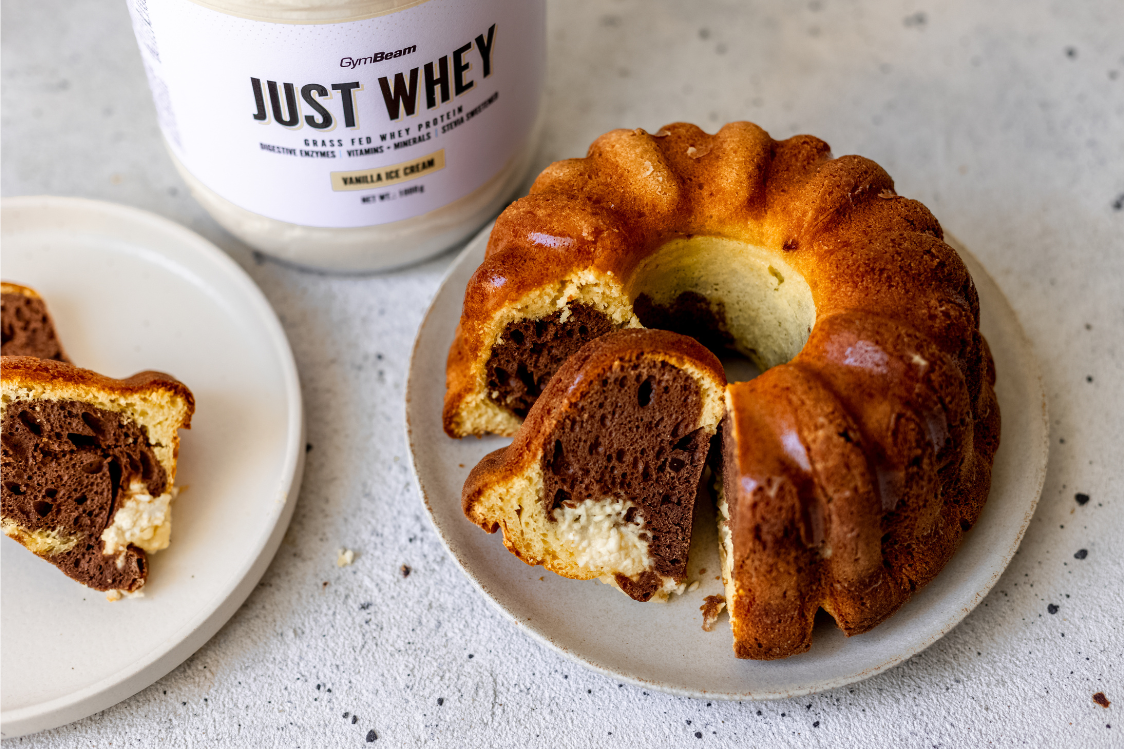
- It is an excellent aid in cooking and baking. You can use it in yoghurt, cottage cheese, porridge, cakes or puddings, thus easily increasing the protein content in any dish. Plus, you don’t have to worry about the protein getting damaged during cooking or baking.
Are they suitable for everyone? It depends on the intended goal
I’m sure it’s already clear to you that whey and whey protein are not the same thing. That’s why it’s important to think about their specific uses. While they can serve similar purposes, you may already suspect that whey protein will be the better and more effective choice for most people .
Whey
- To increase energy intake: Due to its high energy value and higher carbohydrate content, it can be used to boost or just replenish the needed amount of energy.
- For beauty lovers: Whey packs or baths can be an unconventional external remedy to help hydrate and increase skin elasticity. [15]
Whey protein
- Athletes: For strength and endurance athletes to increase or maintain muscle mass and also support recovery.
- People in recovery: Helps with recovery after injuries or surgeries.
- Seniors: For the prevention of sarcopenia (gradual muscle loss with age) and maintenance of muscle mass. [7]
- Pregnant and lactating women: Support increased protein needs during pregnancy and lactation. According to the EFSA, pregnant women have an increased protein requirement of 1 g, 9 g and 28 g of protein per day depending on the trimester. When breastfeeding, an extra 13-19 g is recommended. [16]
- Teenagers: In principle, whey protein can be used by children to meet their daily protein intake. This is most often when they start to have more sporting activities and do not cover this amount with their diet. However, it is always important to think about the context or better yet – consult your doctor or nutritional therapist. Adolescents generally have a greater demand for nutrient intake. Protein in the form of milk protein may therefore have a place in their diet.
- Vegetarians: An ideal means of supplementing quality protein for those who do not consume meat.
- For men and women: All proteins are generally suitable for both men and women. However, women may appreciate our Yum Yum Whey from BeastPink for the extra mile, containing ingredients specifically selected for the needs of the female body. You can also read about how it helps women achieve their goals in our article How Protein Transforms a Woman’s Body and Helps You Lose Weight.
- For weight loss: It will help to achieve a higher protein intake, which will promote the maintenance of a higher amount of muscle mass, increase the feeling of satiety, but also increase the overall output of the body. [14]
Our articles The Protein Selection Guide: How to Choose a Protein for Athletes, Women, Students or Vegans? or Which Protein should You choose? Whey Concentrate, Isolate or Hydrolysate? will help you select the best protein for you.
Who should avoid consuming protein?
Whey is not recommended for people with lactose intolerance and is not recommended for those allergic to cow’s milk protein (including whey protein).
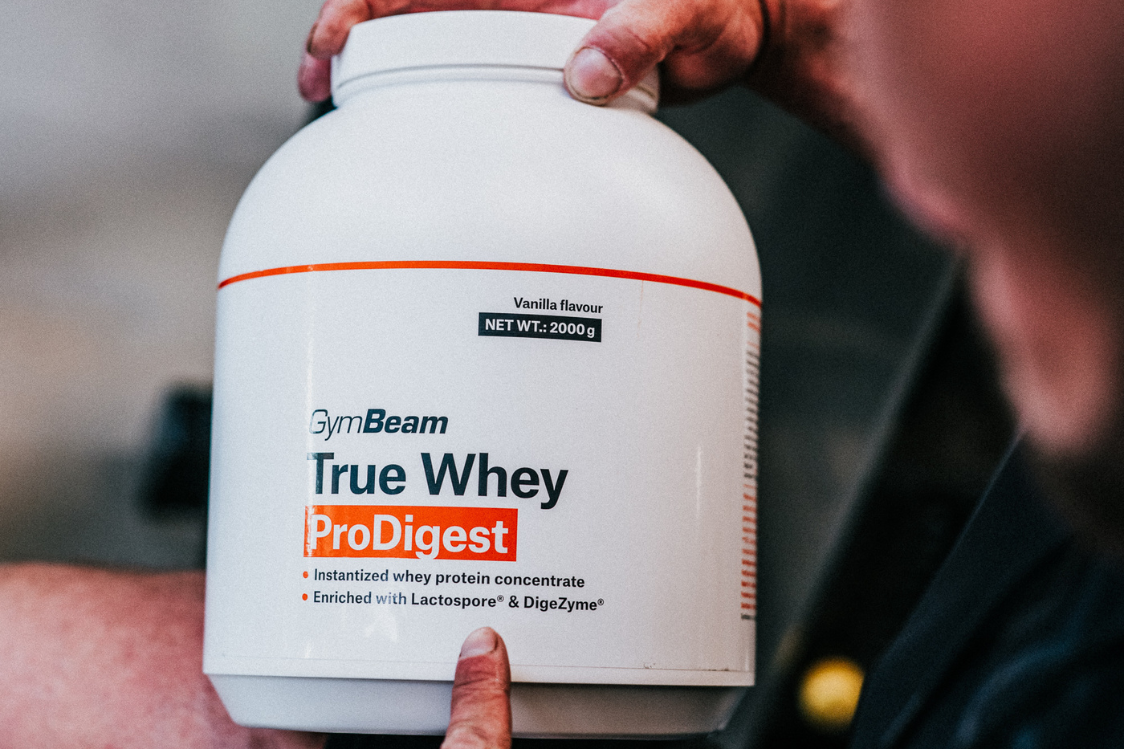
For intolerant individuals, whey isolate, for example, may be a better choice, as the lactose content is lower, or a protein with digestive enzymes (e.g. True Whey ProDigest). Plant-based proteins may also be a suitable choice for both groups.
If you are interested in more information about proteins, you can read about them in our article How to Select the Right Protein for Weight Loss or Muscle Growth?
Summary of key differences: who is the victor?
Whey powder | Whey protein | |
|---|---|---|
| Produced | by curdling the milk with rennet | by isolation and filtration from whey |
| Average energy value per 100 g | 353 kcal | 390 kcal |
| Average energy – 30 g protein per serving | 821 kcal | 155 kcal |
| Protein content in 100 g | ∼12 % | ∼70–90 % |
| Carbohydrate content in 100 g | ∼75 % | ∼2–8 % |
| Fat content in 100 g | ∼1 % | ∼1–5 % |
| Uses | for direct consumption, in porridges, smoothies, but also for cooking and baking | for direct consumption, in porridges, smoothies, but also for cooking and baking, supplementing protein in the diet, post-workout drink to support recovery and muscle growth |
| Processing | only by drying | a more processed product with modern technological processes |
| Advantages | high quality protein content | high in protein, easy to prepare, versatile |
| Disadvantages | high lactose content, lower total protein | may be more costly (e.g. isolates and hydrolysates) |
What is the lesson?
Now you know that whey and whey protein are very similar, but actually very far apart. They are both natural products from milk, with whey being merely a precursor to making the more concentrated whey protein. The latter is then a valuable dietary supplement for its benefits in terms of muscle recovery and growth , or an easy tool to add high quality protein to any healthy lifestyle enthusiast’s diet.
If you found any of the information in this article new and useful, we’d love it if you shared it on social media or shared it with your friends.
[1] Tsermoula P, Khakimov B, Nielsen JH, Engelsen SB. WHEY - The waste-stream that became more valuable than the food product. Trends in Food Science & Technology. 2021 – https://www.sciencedirect.com/science/article/pii/S0924224421005124
[2] Geoffrey W. Smither Whey and whey proteins—From “gutter-to-gold.” International Dairy Journal. 2008 – https://www.sciencedirect.com/science/article/abs/pii/S0958694608000344
[3] History of whey protein: The Whey Bars of the 17th century ! – https://realgreekdairies.gr/en/blog-history-of-whey-protein-whey-bars/
[4] Whey, sweet, dried - FoodData Central USDA – https://fdc.nal.usda.gov/fdc-app.html#/food-details/171283/nutrients
[5] Whey Protein Concentrate. ADPI. – https://www.adpi.org/ingredient-resource-center/whey-protein-concentrate/
[6] Mann B, Athiras, Sharma R, Kumar R, Sarkar P. Bioactive Peptides from Whey Proteins 2019. – https://www.sciencedirect.com/science/article/abs/pii/B9780128121245000151?via%3Dihub
[7] Pennings B, Boirie Y, Senden JM, Gijsen AP, Kuipers H, Van Loon LJ. Whey protein stimulates postprandial muscle protein accretion more effectively than do casein and casein hydrolysate in older men. The American Journal of Clinical Nutrition. 2011 – https://pubmed.ncbi.nlm.nih.gov/21367943/
[8] Moore DR, Churchward-Venne TA, Witard O, Breen L, Burd NA, Tipton KD, et al. Protein Ingestion to Stimulate Myofibrillar Protein Synthesis Requires Greater Relative Protein Intakes in Healthy Older Versus Younger Men. The Journals of Gerontology Series A: Biological Sciences and Medical Sciences. 2014 – https://pubmed.ncbi.nlm.nih.gov/25056502/
[9] YANG J, WANG H, TONG X, LI Z, XU J, ZHOU L, et al. Effect of whey protein on blood pressure in pre‐ and mildly hypertensive adults: A randomized controlled study. Food Science & Nutrition. 2019 – https://www.ncbi.nlm.nih.gov/pmc/articles/PMC6526665/
[10] Chiang SW, Liu HW, Loh EW, Tam KW, Wang JY, Huang WL, et al. Whey protein supplementation improves postprandial glycemia in persons with type 2 diabetes mellitus: a systematic review and meta-analysis of randomized controlled trials. Nutrition Research. 2022 – https://pubmed.ncbi.nlm.nih.gov/35605541/
[11] Amirani E, Milajerdi A, Reiner Ž, Mirzaei H, Mansournia MA, Asemi Z. Effects of whey protein on glycemic control and serum lipoproteins in patients with metabolic syndrome and related conditions: a systematic review and meta-analysis of randomized controlled clinical trials. Lipids in Health and Disease. 2020 – https://pubmed.ncbi.nlm.nih.gov/32958070/
[12] Zhou LM, Xu JY, Rao CP, Han S, Wan Z, Qin LQ. Effect of Whey Supplementation on Circulating C-Reactive Protein: A Meta-Analysis of Randomized Controlled Trials. Nutrients. 2015 – https://pubmed.ncbi.nlm.nih.gov/25671415/
[13] Healthline. (2021). 10 Evidence-Based Health Benefits of Whey Protein. – https://www.healthline.com/nutrition/10-health-benefits-of-whey-protein#TOC_TITLE_HDR_4
[14] Gráca, Petr. 2024. Bílkoviny v Redukčním Režimu. Masarykova univerzita. – https://is.muni.cz/th/kgova/BP_Bilkoviny_v_redukcnim_rezimu.pdf
[15] Augustyniak, Aleksandra, Davide Gottardi, Barbara Giordani, James Gaffey, and Helena Mc Mahon. 2023. “Dairy Bioactives and Functional Ingredients with Skin Health Benefits.” Journal of Functional Foods 104 – https://www.sciencedirect.com/science/article/pii/S1756464623001287
[16] EFSA. Dietary Reference Values for nutrients Summary report. EFSA Supporting Publications. 2017 Dec;14(12). – https://www.efsa.europa.eu/sites/default/files/2017_09_DRVs_summary_report.pdf
[17] Tunick MH. Whey Protein Production and Utilization: A Brief History. Whey Processing, Functionality and Health Benefits. – https://onlinelibrary.wiley.com/doi/10.1002/9780813803845.ch1
Add a comment