
Table of Contents
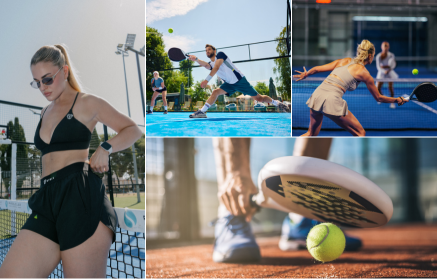
What do Lionel Messi, David Beckham, and your work colleague have in common? They’re probably arranging a padel match.
When global stars start a new sport, it’s a trend. But when your neighbours start inviting you to a “match,” you’re looking at a global phenomenon. Padel has long ceased to be just “tennis for lazy people” or a momentary fad. It is the fastest-growing sports craze in Europe, breaking down barriers.
Why? Because it’s the most fun form of cardio you’ll ever experience. Forget months of drills. Welcome to a world where the dynamics of squash meet the elegance of tennis, and where you can go from complete beginner to player in a single hour.
Modern padel was born in 1969 in Acapulco, Mexico. Tennis enthusiast Enrique Corcuera wanted to build a court at his house, but didn’t have enough space in the garden. He solved it wisely. He built a scaled-down version measuring 20×10 meters and surrounded it with walls to keep the balls from escaping into the lush vegetation. Today, this idea entertains over 30 million amateur players in 130 countries around the world.
Let’s take a look at why padel is the best social sport, how many calories you burn, and how not to start like an amateur, but like an informed player. [1,2]
What exactly is padel?
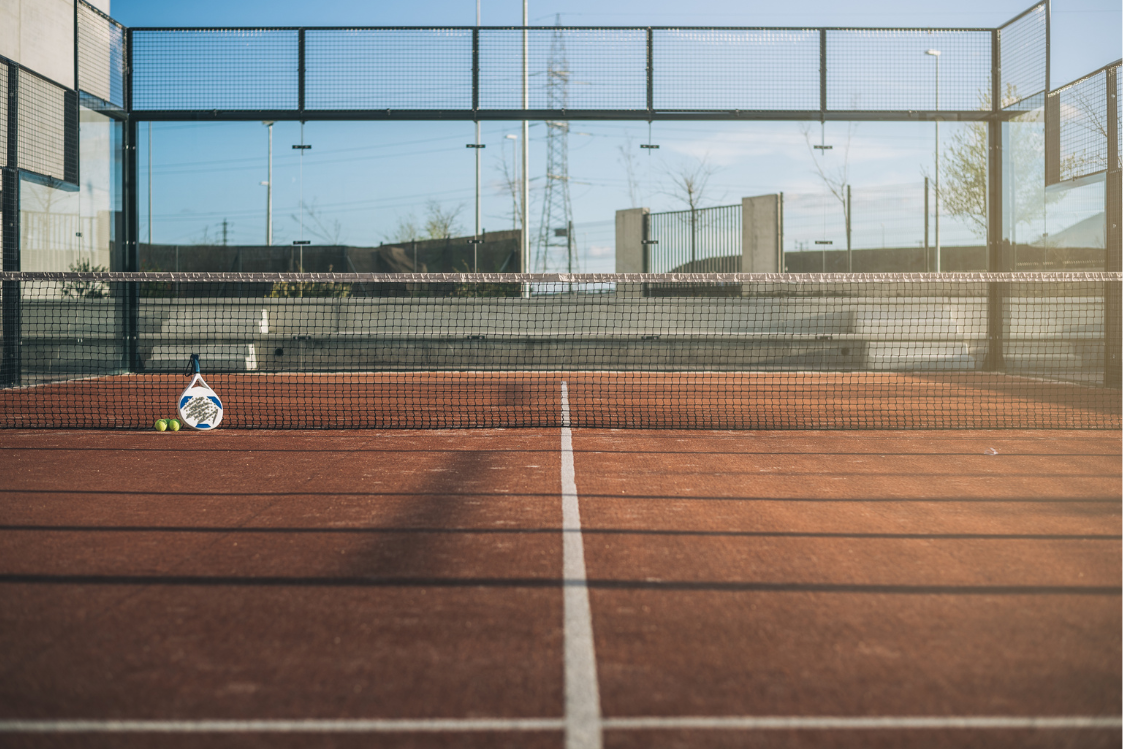
Padel (sometimes incorrectly called padel tennis or paddle tennis) is often described as the “child” of tennis and squash. It is played in pairs (2 vs. 2) on a court measuring 20×10 meters, which is surrounded by a combination of glass and mesh. These walls are key. They return the balls back into play, which means less running for lost balls and more pure action. [3]
Still can’t picture it? The best way to understand it is to place padel right next to its older siblings.
| Tennis | Padel | Squash | |
|---|---|---|---|
| Court | Large, open | Medium, glass walls | Small room |
| Rocket | With strings | Solid (with holes) | With strings |
| Technical difficulty | High | Low (you play right away) | Medium |
See the difference? Padel is a happy medium. It removes the high technical barrier of tennis (where balls often end up in the net or fly into the fence) and is not as physically devastating as squash. The result is a game you’ll enjoy from the first minute without having to spend years honing your serve technique.
You might be interested in these products:
Rules in a nutshell (so you can play right away)
You may be daunted by the prospect of complicated scoring or new lines on the court, but don’t worry. The rules of padel are designed so intuitively that you’ll understand them within the first five minutes and can jump straight into playing for points.
1. Serve
The serve is always underhand and cross-court. The player must stand with both feet behind the service line. They toss the ball, let it bounce on the ground (also behind the line), and hit it (max. at waist height). The ball must land in the opponent’s opposite box.
Important: After bouncing on the opponent’s half, the ball must not touch the net when serving (that’s a fault), only the glass. In normal play, the net is allowed, but not when serving.
2. The Golden Rule (ground vs. wall)
The ball flying over the net must first land on the opponent’s side of the court. Only then can it hit the net or glass (that’s fine and the game continues).
Caution: If you hit the opponent’s net or glass directly from the air without bouncing on the ground, it’s out (point for the opponent).
3. Using the walls
If the ball is flying towards you (lands on your side of the court and flies towards the back glass), don’t panic. Let it bounce. The glass will slow the ball down and return it to the court, then you play it over the net. Conversely, if
4. Scoring
Identical to tennis (15–30–40–game). A won game means winning a game. Whoever wins 6 games has a set. The match is usually played to 2 winning sets.
Interesting fact: In professional leagues (and often among amateurs to speed up the game), a Golden Point is played at deuce (40:40). Whoever wins the next rally wins the entire game. No endless advantages.
✅ Allowed:
- Play the ball off your own glass (if you want to get it to the other side).
- Play a volley (hit directly from the air) unless you are receiving a serve.
- Run out of the court and return the ball to play (for advanced players, when the ball flies out).
❌ Prohibited:
- Hit the net with your ball (that’s always a fault).
- Touch the net with your body or racket.
- Play a double hit (the ball touches the racket twice in a row).
Fun, cardio, and HIIT in one: 3 reasons to love padel
You may be wondering why padel in particular, when there are so many other sports. There are several reasons, but these three are the main driving force that drives millions of people back to the courts and makes padel an addictive affair.
1. Instant fun
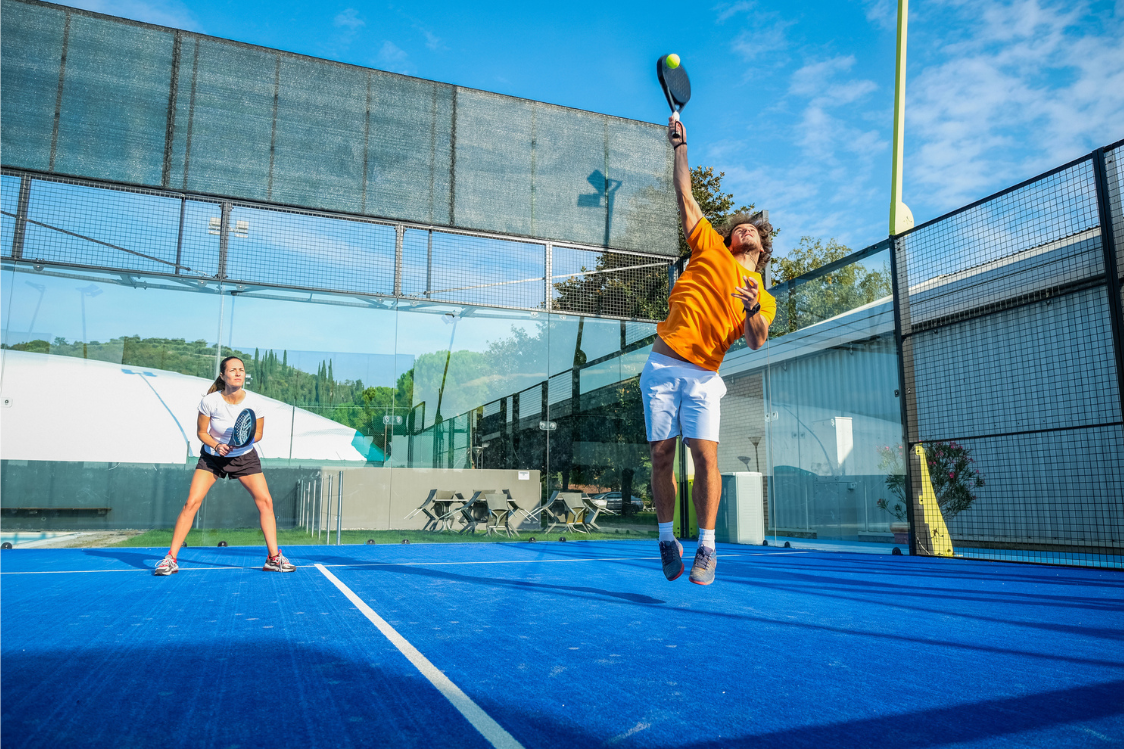
While tennis beginners spend a lot of time walking for balls to the back fence after every failed shot, in padel, the ball doesn’t run away. The walls return it to the game. Thanks to this and a shorter racket that is easier to control, you will experience long and exciting rallies right on your first visit. That feeling of success is highly addictive.
2. Social factor
You are on a small court close to each other. That means you can hear each other. You are constantly communicating and cheering each other on. In addition, padel breaks down barriers. A manager, a student and an active senior can play together on one court. What’s more? Padel culture is strongly associated with post-match gatherings with friends.
3. Hidden HIIT cardio and longevity
- Calories burned: According to the International Compendium of Physical Activities (Compendium of Physical Activities), energy expenditure ranges from 6 METs (recreational play) to 10 METs (competitive match). For a 75kg person, this means burning 500 to 750+ kcal per hour, depending on the intensity of the game. [4]
- Muscles: You will strengthen your glutes, thighs and core thanks to constant rotations, braking and starts on the ball.
- Longevity: The interval nature of the game (sprint and pause) effectively builds fitness and improves VO2 max. Science speaks clearly. This type of activity can reduce the risk of death from all causes by almost half. Other studies even suggest that thanks to the unique combination of training and social contact, you can extend your life by up to 9.7 years. [5, 6]
Padel thus perfectly combines the pleasant with the useful. You will give your body not only top physical training, but also much-needed mental cleansing from everyday stress, thanks to fun and friends.
You can easily calculate the specific amount of calories burned during various activities in our online energy expenditure calculator.
Equipment: What to bring to the court?
Before you head to the arena, check what’s in your bag, because regular tennis gear won’t be enough here. Padel has its specifics, and the right racket or shoes can determine whether you enjoy the game or struggle on the court.
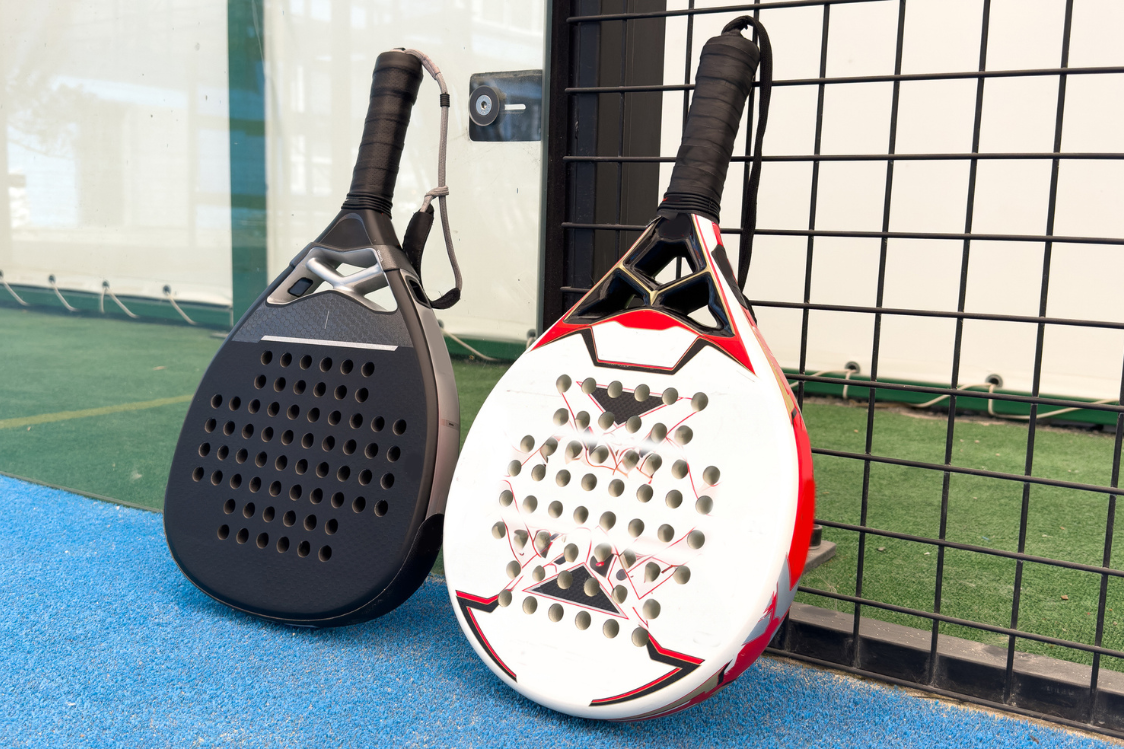
- Racket: It is smaller than a tennis racket, solid, without strings and has holes in it for better aerodynamics.
- Balls: At first glance, they look like tennis balls, but don’t be fooled. They have less internal pressure, which ensures that specific “lazier” bounce.
How to choose a padel racket?
The shape of the racket determines how you will play. Choose correctly according to your level [8]:
- Round: Choice for control and precision. It has a large “sweet-spot” (place of ideal hit) and the centre of gravity closer to the handle, so it is easy to control. Ideal for beginners or defensive players.
- Diamond: A tool for pure power. It has a smaller sweet-spot positioned higher and the centre of gravity in the head of the racket. This generates maximum power when smashing, but does not forgive mistakes. Designed for advanced offensive players.
- Teardrop: A universal for versatile players. It offers “the best of both worlds” – medium balance and a mix of power and control.
Clothing and footwear: Comfort wins matches
Many players underestimate the importance of clothing, but it has a direct impact on your performance.
- Functional materials: The padel court is specific, you play in a partially enclosed aquarium. Even though the mesh lets air through, the massive glass walls act as a windbreak. The air circulates much worse than on an open court, so you sweat many times more. Cotton will betray you, as it becomes heavy and sticks. Choose light functional clothing that effectively wicks away sweat and dries quickly.
- Cut and pockets: Clothing should not be too tight or too loose. Men will appreciate shorts with pockets. Having a second ball for serving is not a rule, but it significantly speeds up and makes the game more enjoyable than collecting it from the ground every time. Ladies often choose padel skirts with built-in shorts, which combine style with maximum freedom of movement and space for the ball.
- Footwear (ESSENTIAL): This is where most newcomers make mistakes. Leave your running shoes at home. They lack stability for lateral movement and you risk spraining your ankle. You need tennis or padel shoes. Look for a sole with a “herringbone” pattern (for traction on sand), good cushioning (saves joints on impact) and firm ankle support.
- Accessories: Don’t underestimate the “invisible” helpers. Quality sports socks with padding will protect you from blisters. Sweatbands and headbands will prevent sweat from dripping into your eyes or onto the grip of the racket, which can decide the rally at a crucial moment.
Risks and injury prevention
Although padel is a non-contact sport, injuries do occur. The latest systematic review of the literature from 2023 shows that the most common site of injury is the elbow (so-called epicondylitis), followed by the knee and shoulder. Most of these injuries are of muscular or tendon origin. [7] Here’s how to stay in the game.
- Padel elbow (tennis elbow): A common problem caused by vibrations and poor technique, where beginners play too much “with the wrist”. Use an overgrip for the correct grip thickness and ensure a clean stroke with the whole arm. You can learn more about this issue in our article on tennis elbow.
- Achilles tendons and calves: Padel is full of quick starts, braking and changes of direction. This is a huge strain on the tendons. Never underestimate the warm-up. A few minutes of dynamic stretching and glute activation before the game can save you from months of recovery.
- Eyes: Playing at the net is extremely fast. Getting hit in the eye with a ball is a real risk, even for experienced players. Special protective glasses are not a shame, but a smart choice that protects your eyesight.
Energy and regeneration: How to keep up the pace?
Padel matches often last over 90 minutes. The intensity of the game in a closed court places enormous demands on the body. If you want to keep up the pace until the last ball and get out of bed the next day without pain, you must give your body the right fuel.
1. Hydration: Water is often not enough
In the case of a glass court, you sweat more due to higher humidity. Sweat removes not only water, but also electrolytes such as sodium, potassium and magnesium. Replenishing fluids and these key minerals is therefore essential.
- To maintain the balance of minerals in the body, it is advisable to have isotonic drinks (e.g. Rehydrate) or dissolved electrolyte tablets at hand, which effectively replenish what you sweat out.
2. Energy: Fuel for the second set
To maintain the pace even in a longer match, quick energy is useful. After an hour of play, glycogen stores, sugar stores stored in the muscles, which serve as readily available fuel for intense movement, begin to run out. Once they are empty, the legs become heavy, reactions slow down and you stop keeping up with balls that you would have easily run to at the beginning.
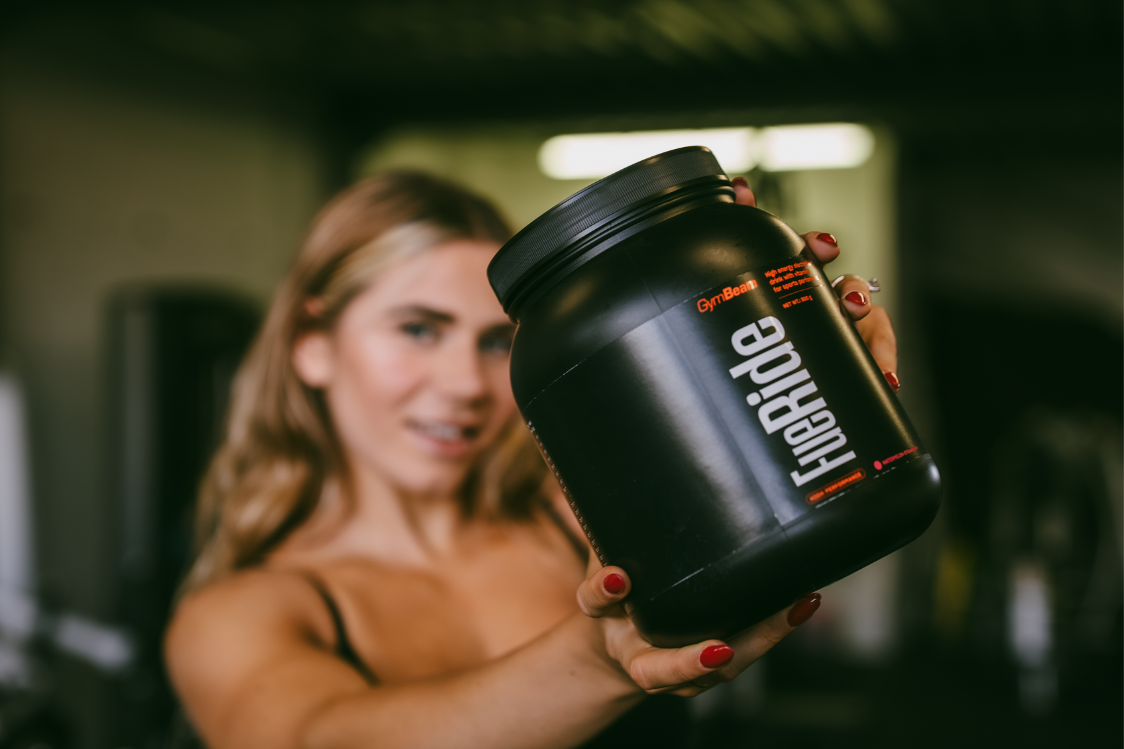
- Solution during the game: Energy gels, bars or drinks such as FueRide are a great choice, as they quickly replenish energy without burdening the stomach.
3. Regeneration and long-term care
Have you finished playing? Your muscles are exhausted after dozens of sprints and your body is calling for repair.
- Muscles: The basic nutrient for the renewal of muscle tissue is protein. After the game, it is therefore ideal to reach for a quality whey or vegan protein, which will provide the body with the necessary building blocks.
- Relaxation: Magnesium is key for overall relaxation after exercise and as a prevention against cramps. For maximum effect, use it long-term. If you suffer from cramps acutely, have specialised anti-cramp supplements in your bag (e.g. No Cramp).
- Musculoskeletal system: Padel is a sport full of impacts and rotations, which engages the joints and ligaments. If you play often, joint nutrition containing substances such as collagen, MSM or glucosamine should be your everyday partner and an investment in a long-playing career.
Conclusion
Padel is one of the most fun and accessible ways to do something for your health. But even the most fun game should not be a reason to neglect body care. Even though padel is relatively easy to learn, without the right shoes you risk injury and without quality “fuel” you will quickly run out of energy.
Therefore, do not take preparation lightly. Spend a few minutes warming up, replenish electrolytes and think about regeneration. If you adopt these habits, padel will become not only a great cardio, but also a lifelong passion that will keep you in shape and in a good mood.
Do you think your potential teammate would also appreciate this information? Don’t keep the article to yourself and share it so you can hit the court in full force as soon as possible!
[1] International Padel Federation (FIP). History of Padel. – https://www.padelfip.com/history/
[2] International Padel Federation (FIP). (2024). World Padel Report 2024 – https://www.padelfip.com/world-padel-report/
[3] International Padel Federation (FIP). (2024). Official Rules of Padel. – https://www.padelfip.com/documents//
[4] Ainsworth, B. E., et al. (2011). Compendium of Physical Activities: A second update of codes and MET values. Medicine & Science in Sports & Exercise. (Codes 15490, 15500). – https://pacompendium.com/sports/
[5] Oja, P., et al. (2017). Associations of specific types of sports and exercise with all-cause and cardiovascular-disease mortality: a cohort study of 80 306 British adults. British Journal of Sports Medicine, 51(10), 812-817.– https://pubmed.ncbi.nlm.nih.gov/27895075/
[6] Schnohr, P., et al. (2018). Various Leisure-Time Physical Activities Associated With Widely Divergent Life Expectancies: The Copenhagen City Heart Study. Mayo Clinic Proceedings, 93(12), 1775-1785.– https://pubmed.ncbi.nlm.nih.gov/30193744/
[7] Dahmen J, Emanuel KS, Fontanellas-Fes A, Verhagen E, Kerkhoffs GMMJ, Pluim BM. Incidence, prevalence and nature of injuries in padel: a systematic review. BMJ Open Sport Exerc Med. 2023 Jun 14;9(2):e001607.– https://pmc.ncbi.nlm.nih.gov/articles/PMC10277135/
[8] Wilson Sporting Goods. (2024). How to Choose a Padel Racket. – https://www.wilson.com/en-us/blog/padel/how-tos/how-choose-padel-racket
Add a comment