
Table of Contents
Can healthy sports lifestyle be combined with unhealthy alcohol consumption? If you are one of the people who spend most of their free time in the gym, you have often asked yourself this question. Is the weekly drudgery worth it when you go to the bar on a Friday night and all your efforts are destroyed by a single shot of alcohol? Take a look at what the alcohol consumption causes in the athlete’s body.
1. Weight gain
It is no secret that alcohol conceals many sugars and calories which result in weight gain. However, this is not the only reason why your weight number is rising after a night full of drinking. What other factors associated with alcohol consumption cause weight gain?
Liquid calories
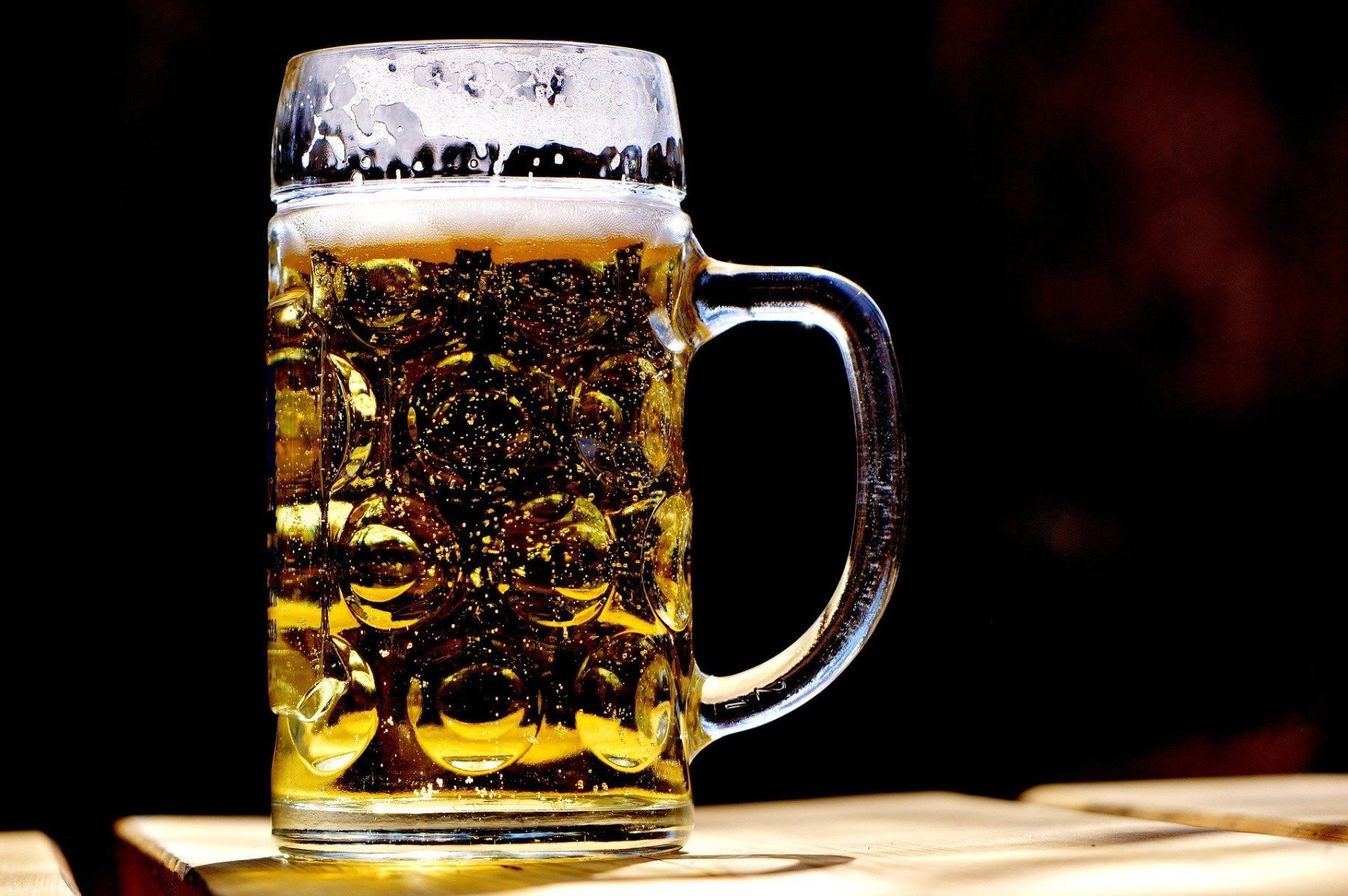
Alcohol can cause weight gain simply because it contains calories. In one drink, there is not only ethanol, but also additives to achieve a better taste and color. These are mostly full of carbohydrates and sugars. In addition, the stronger the pure alcohol is, the more calories it contains. [1]
Moreover, alcoholic beverages block metabolism, which is why later your body have a problem processing and breaking down fat. This is why alcohol calories are considered empty. This means that they have no nutritional value and do not contain nutrients beneficial for healthy metabolism. [2] [3]
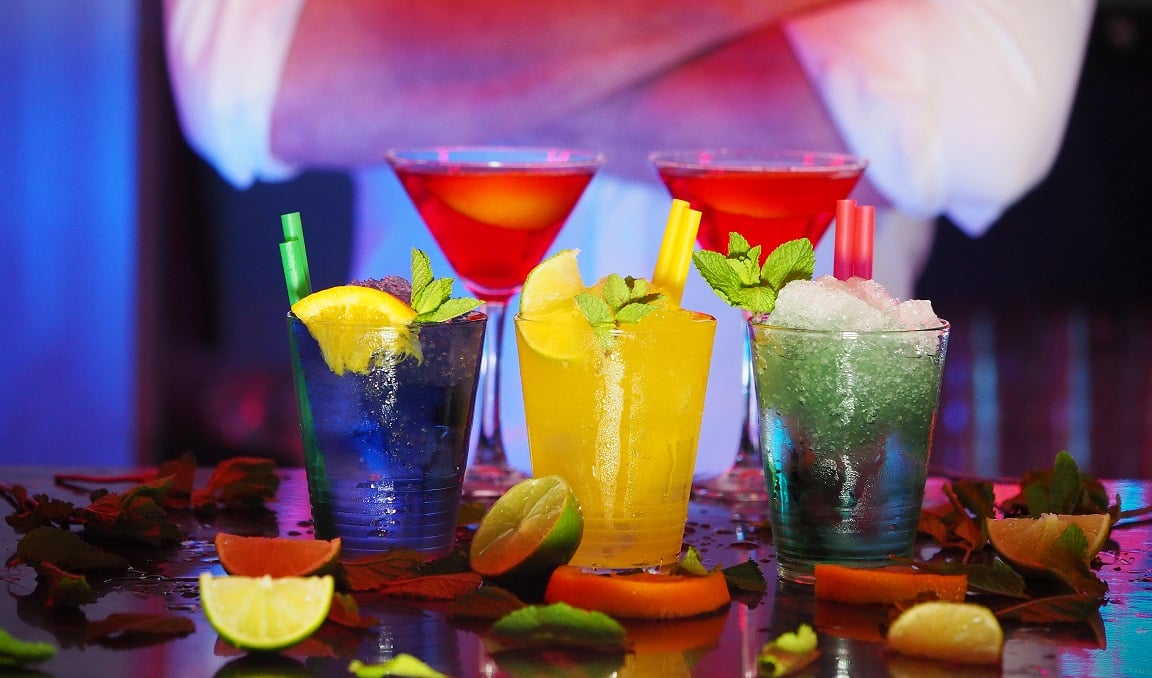
For example, mixed drinks contain not only alcohol but also other fluids, thereby increasing total caloric intake. Cocktails such as Piña colada contain fat whereas wine and beer have a high carbohydrate content. Due to these factors, it is not wise to forget the most typical feature of intake of large amounts of caloric alcohol, which is so called “Beer belly.” Getting rid of it is not easy and it will cost you a lot of time and demanding workouts in the gym. [2] [3]
Increased appetite
Another reason why weight gain is associated with drinking alcohol is overeating. You have surely noticed that your appetite has risen dramatically after a busy night. Alcohol is an appetite stimulator, so if you drink, it is likely that you will eat much more. In addition, high alcohol levels in your blood will trick your judgment and make you prefer to eat high-calorie and unhealthy food rather than something healthy. [3]
Fatty liver
Too much alcohol can turn into liver fat. This will later turn into fat in your blood and is likely to be stored as body fat that your body no longer processes. In addition, alcohol suppresses the central nervous system, which slows down all the functions of your body, and therefore the functions of the liver. [3]
You might be interested in these products:
2. Dehydration
Dehydration has many negative effects on the body. From the feeling of fatigue and malaise that causes poor physical performance, through the increase of appetite, to impairing the ability of muscle cells to produce ATP. [5]
Alcohol may worsen dehydration as it affects kidney function and interferes with the regulation of electrolytes and fluids in the body. In addition, alcohol acts diuretic, resulting in more frequent emptying. With urine, however, not only alcohol and water are removed from the body, but also important nutrients that the body didn’t have time to process. When the body is dehydrated, it also increases the likelihood of locomotive system injury. This can ultimately result in a disruption of the training plan, a reduction in exercise time and muscle mass growth. [4] [5] To learn more about the need for hydration for athletes, see Hydration before, during and after training and how to avoid dehydration.
3. Reduced energy production
In some cases, alcohol intake can affect the synthesis of glycogen, which is an energy source and plays an important role in exercise. However, this is not the only effect of alcohol that can cause athletes to have low energy levels during training. Alcohol may contribute to increased blood pressure and heart rate, which may cause less effective training and loss of motivation during aerobic activities. [1]
It has also been shown that athletes who consume alcohol after training have lower protein synthesis rates than athletes who do not drink at all. Protein synthesis increases muscle growth and assists in muscle regeneration. However, researchers believe that this relationship depends on the dose of alcohol, which means that the inhibitory effects on protein synthesis are greater the more alcohol you consume. [6] [7]
However, one should not forget the well-known hangover after a busy night. Headache, stomach ache or fatigue are the most common reasons to skip training. As we all know, missed training = loss of motivation. It is therefore more likely that your next gym visit will be delayed. [6] One solution to gain at least some energy before training after a busy night is to consume RTD pre-workout drinks and ionic drinks to replenish electrolytes.
4. Muscle growth and regeneration will be more difficult
Alcohol has highly negative effects on muscle growth. This is due to protein synthesis, which is the driving force behind muscle growth and body regeneration during exercise. According to one study, alcohol consumption interferes with muscle regeneration and recovery. In particular, the rate of protein synthesis had decreased values after the participants in the study consumed a large amount of alcohol within 8 hours after exercise. Especially in the case when participants did not consume any protein. The researchers also concluded that not even enough protein could overcome the negative impact of alcohol on protein synthesis. [8] [9]
The second reason why alcohol prevents muscle growth is that it stops the decomposition of important nutrients such as iron and calcium, which are involved in muscle firming and relaxation. [9]
5. Reduces hormone levels
Drinking alcohol can drastically decrease or increase the levels of some important hormones. What negative impacts does it have on them?
Growth hormone
Growth hormone stimulates protein transformations and protein synthesis during and after exercise. In addition, this hormone greatly helps to regulate metabolism, but alcohol can significantly negatively affect it. Growth hormone is secreted mainly during the late night hours.
In relation to that, alcohol tends to disrupt the natural sleep rhythms and thus can reduce the amount of growth hormone released by up to 70%. [10] [11]
Testosterone
Testosterone is an anabolic hormone that significantly affects fat loss and contributes to muscle shaping. However, alcohol stops this effect. [13] The lower the testosterone level in the blood, the smaller the muscles. In one study, healthy young men were administered 1.5 g of ethanol per kilogram of body weight. It was found that their testosterone levels dropped by an average of 23% between 10 am and 4 pm after they started drinking. [12]
In men who are addicted to alcohol, not only significantly lower testosterone levels have been shown, but also higher estrogen levels. A high level of estrogen is the reason why men who drink a lot of alcohol develop gynecomastia or so called man boobs. [13]
Cortisol
Studies show that alcohol also has a huge impact on the stress hormone – cortisol. High levels of this hormone have a negative effect not only on regeneration, but also on high blood pressure. At long-term elevated levels, it can also contribute to the development of diabetes and the storage of dangerous visceral fat. One study showed that 4 hours after the last drink, cortisol was increased by up to 152%. Thus, alcohol has been shown to increase the stress hormone cortisol, which can reduce growth hormone levels by up to 72%. [14] [15]
6. Destroys the immune system
The immune system consists of a huge number of cells, tissues and carriers that play a key role in protecting the body against infections. A strong immune system not only improves performance during training, but also helps athletes avoid illness and injury. These can prevent fat burning and muscle growth. Alcohol, especially the consumption of large amounts of alcohol, can damage the otherwise strong immune system. [16] [17]
As we mentioned, alcohol is not a nutritional source of calories. It reduces the levels of vitamins B, zinc, magnesium and other important vitamins and minerals. This can cause immunity to suffer over time due to poor nutrition. Whenever you consume alcohol, make sure you also take the necessary vitamins and minerals. [17] [18]
Let’s have “just one”
Tell the truth, have you ever used this lie? “I’ll have just one, honey” But one is suddenly two, two become three, and this is how we can go on. It is therefore important to realize that even one shot can cause serious problems on the way to a healthy lifestyle. For example, do you know how many calories are hidden in one bottle of champagne? Exactly as much as an half of the pizza. [19] Take a look at how many calories a glass of a typical alcoholic beverage contains:
| Champagne | 100 ml | 96 kcal |
| Red wine | 200 ml | 170 kcal |
| White wine | 200 ml | 164 kcal |
| Rum 35 % | 40 ml | 86 kcal |
| Vodka 40 % | 40 ml | 96-100 kcal |
| Beer 10° | 500 ml | 185 kcal |
A couple more tips
We certainly didn’t want to use this article to tell you how bad alcohol is and that you should never drink it. However, it is important to realize that it has many negative effects and you should definitely approach drinking with caution. However, if you decide to have a drink at the next party and want to avoid the alcohol effects mentioned above, try our tips:
- avoid high carbohydrate and fat foods when drinking alcohol. Stick to protein and vegetables.
- prefer a white dry wine that has fewer calories and contains less alcohol
- Avoid mixed drinks as they contain a lot of sugars and are tasty, so you won’t be able to stay with just one glass
- In general, you should take a maximum of 5 g of alcohol per kilogram of body weight. This amount will keep you safe from the negative effects associated with muscle bagginess, fat growth and performance problems.
- If you have to choose whether to drink alcohol before or after your workout, choose an after-workout consumption
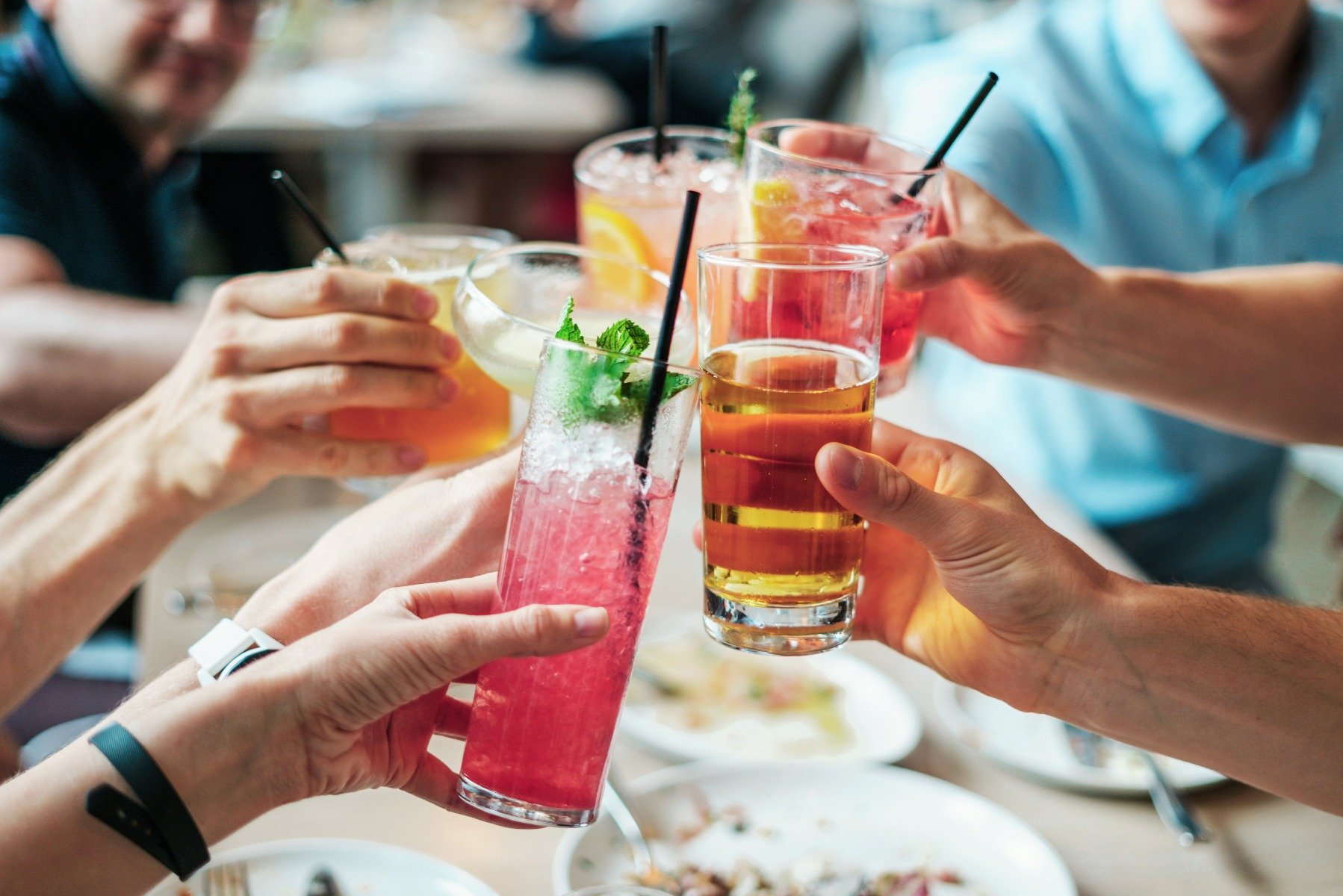
We believe you have learned all the necessary information about the effects alcohol has on athletes in terms of muscle gain and weight loss. If you liked the article, we would be happy if you support it by liking and sharing it.
[1] El-Sayed MS1, Ali N, El-Sayed Ali Z. - Interaction between alcohol and exercise: physiological and haematological implications. – https://www.ncbi.nlm.nih.gov/pubmed/15730339
[2] Yvonne O Brien - The Truth About Alcohol and Exercise – https://www.indi.ie/fact-sheets/fact-sheets-on-sports-nutrition/518-the-truth-about-alcohol-and-exercise.html
[3] Mike Roussell, PhD - Does Alcohol Make You Gain Weight? – https://www.shape.com/weight-loss/tips-plans/ask-diet-doctor-can-you-drink-alcohol-and-still-lose-weight
[4] Luke D. Vella and David Cameron-Smith - Alcohol, Athletic Performance and Recovery – https://www.ncbi.nlm.nih.gov/pmc/articles/PMC3257708/
[5] Cheuvront SN1, Carter R 3rd, Sawka MN - Fluid balance and endurance exercise performance. – https://www.ncbi.nlm.nih.gov/pubmed/12834575
[6] Drinkaware - Can alcohol affect sportsperformance and fitness levels – https://www.drinkaware.co.uk/alcohol-facts/health-effects-of-alcohol/lifestyle/can-alcohol-affect-sports-performance-and-fitness-levels/
[7] Time - Can I Exercise After Drinking Alcohol? – https://time.com/4366179/exercise-workout-wine/
[8] Evelyn B. Parr,Donny M. Camera,José L. Areta,Louise M. Burke,Stuart M. Phillips,John A. Hawley - Alcohol Ingestion Impairs Maximal Post-Exercise Rates of Myofibrillar Protein Synthesis following a Single Bout of Concurrent Training – https://journals.plos.org/plosone/article?id=10.1371/journal.pone.0088384
[9] Study.com - Alcohol and Protein Synthesis – https://study.com/academy/lesson/alcohol-and-protein-synthesis.html
[10] Charles H. Lang, Xiaoli Liu, Gerald Nystrom, Duanqing Wu, Robert N. Cooney, Robert A. Frost - Acute effects of growth hormone in alcohol – https://academic.oup.com/alcalc/article/35/2/148/152687
[11] Prinz PN, Roehrs TA, Vitaliano PP, Linnoila M, Weitzman ED. - Effect of alcohol on sleep and nighttime plasma growth hormone and cortisol concentrations. – https://www.ncbi.nlm.nih.gov/pubmed/7419664
[12] Välimäki M1, Tuominen JA, Huhtaniemi I, Ylikahri R.- The pulsatile secretion of gonadotropins and growth hormone, and the biological activity of luteinizing hormone in men acutely intoxicated with ethanol. – https://www.ncbi.nlm.nih.gov/pubmed/2128439
[13] Mary Ann Emanuele, M.D., and Nicholas Emanuele, M.D. - Alcohol and the Male Reproductive System – https://pubs.niaaa.nih.gov/publications/arh25-4/282-287.htm
[14] Ellena Badrick, Martin Bobak, Annie Britton, Clemens Kirschbaum, Michael Marmot, and Meena Kumari - The Relationship between Alcohol Consumption and Cortisol Secretion in an Aging Cohort – https://www.ncbi.nlm.nih.gov/pmc/articles/PMC2266962/
[15] Robert L. Spencer, Ph.D., and Kent E. Hutchison, Ph.D. - Alcohol, Aging, and the Stress Response – https://pubs.niaaa.nih.gov/publications/arh23-4/272-283.pdf
[16] R. O'kennedy - The immune system in sport: getting the balance right – https://www.ncbi.nlm.nih.gov/pmc/articles/PMC1763254/
[17] Alcohol and the Immune Systém – https://pubs.niaaa.nih.gov/publications/10report/chap04b.pdf
[18] Dipak Sarkar, Ph.D., D.Phil., M. Katherine Jung, Ph.D., and H. Joe Wang, Ph.D. - cAlcohol and the Immune System – https://www.ncbi.nlm.nih.gov/pmc/articles/PMC4590612/
[19] Calories in Alcohol – https://www.nhs.uk/live-well/alcohol-support/calories-in-alcohol/
Add a comment