
Table of Contents
Tingling fingers, a palm that involuntarily clenches, and the feeling that the room is suddenly a little farther away. This is how people describe their experience after Wim Hof breathing or a holotropic session. Both techniques belong to the category of high-ventilation breathwork (High Ventilation Breathwork, HVB). It is an umbrella term for techniques involving intentionally increased breathing frequency or depth, in which you consciously breathe faster or more deeply than your usual resting level.
Most guides claim that the body becomes saturated with oxygen. However, oxygen is not what changes the most during this type of breathing. Carbon dioxide drops significantly, and it is this decrease that accounts for what you feel during the exercise, as well as its risks. Some people describe an experience after a session that they compare to psychedelics. What has research confirmed, and what are merely promises?
Quick summary: Intense breathing
- What is intense breathing? An umbrella term for techniques in which you deliberately breathe faster or more deeply than usual. This includes the Wim Hof Method, holotropic breathing and rebirthing.
- What happens in the body during it? Carbon dioxide levels drop significantly, the blood shifts into the alkaline range, and less blood flows to the brain. However, the amount of oxygen in the blood does not increase, even though most guides claim it does.
- Does it reduce stress? Yes, but not more than slower breathing. In the largest study on intense breathing, stress decreased equally in both groups.
- So why do people do it? For the experience. During longer sessions, it induces altered perception, which participants describe similarly to people after taking psychedelics.
- Does it boost immunity? One experiment showed a short-term effect on the inflammatory response. That is not enough to claim that it boosts immunity.
- When should you not do it? Never in or near water. It is also not recommended during pregnancy or for people with epilepsy, panic disorder, or heart or lung conditions.
What is High Ventilation Breathwork?
High Ventilation Breathwork (HVB), known in Slovak as intenzívne dýchanie, is an umbrella technical term for breathing techniques in which the rate or depth of breathing is intentionally increased above the normal resting level. These techniques were grouped under this name by a review article published in the journal Neuroscience & Biobehavioral Reviews in 2023, which is cited by most subsequent research in this area.[4]
An adult at rest breathes approximately 12 to 20 times per minute. During intensive breathing, both the rate and depth are significantly higher. The most common at-home format lasts 10–20 minutes and typically includes 30 to 40 deep, rapid breaths per round, followed by breath-holding, most often for 1 to 3 minutes. In the protocol of a randomized study involving 200 participants, the rate increased over four rounds to approximately 60 breaths per minute. [3,10]

What types of intensive breathing are there?
The best known are the Wim Hof Method, holotropic breathing and rebirthing. These also include Tibetan g-tummo, yogic kapalabhati and bhastrika, Holorenic Breathwork and Sudarshan Kriya. In practice, there are also other, lesser-known variants. [4]
| Technique | Origin and purpose | How to breathe |
|---|---|---|
| G-tummo | Tibetan Buddhism, approximately the 8th century. Traditional techniques aimed to achieve enlightenment. | Gentle and forceful breathing alternate. The inhalation is loud and longer, while the exhalation is quicker. It also includes breath retention and heat visualizations. |
| Kapalabhati | A Hindu yogic pranayama practice, probably thousands of years old. | Breathing is exclusively through the nose, from the diaphragm. A forceful exhalation; inhalation happens on its own. It usually lasts 5 to 10 minutes with short breaks. It can reach more than 200 breaths per minute. |
| Bhastrika | Hindu yogic pranayama. | A forceful inhalation into the chest and a deliberate exhalation, meaning both phases are active. It may involve movement of the arms and body. Usually lasts up to 5 minutes. |
| Holotropic Breathwork | It originated in the 1970s as a non-drug substitute for LSD following its ban in 1968, to induce altered states of consciousness in psychotherapy. | No prescribed pace or rhythm. The only instruction is to breathe as fast and deeply as possible, without pauses. It lasts three hours. |
| Rebirthing | It was founded by Leonard Orr in the 1960s and 1970s in the USA. | Gradually accelerating deep breathing, without a pause between inhalation and exhalation. No fixed pace; it usually lasts about an hour. |
| Holorenic breathing | It originated in Spain in the 1980s. It combines Sufi and shamanic breathing with kapalabhati and holotropic breathing. | Hyperventilation at up to 140–160 breathing cycles per minute. Sessions last two to three hours. |
| Sudarshan Kriya | It originated in India in 1981. | Cyclical rhythmic breathing that alternates tempos from 40–50 to 60–100 or more cycles per minute. |
| Wim Hof Method | Founded by Wim Hof in the 1990s in the Netherlands. It is derived from g-tummo and yogic pranayama, with the aim of increasing resilience to stress. | Cyclical deep breathing from the diaphragm to the chest with forceful inhalation. Three to four rounds of 30 to 40 breaths, with breath-holding in between, usually lasting 10 to 15 minutes. |
| Conscious connected breathing | A breathing method practised in the West by several schools since the late 1960s, including rebirthing and holotropic breathing. Today, it is also practised independently. | Consciously breathing faster and more deeply than usual, cyclically and without pauses between inhalation and exhalation. A deep diaphragmatic inhalation flows smoothly into an exhalation that occurs simply by relaxing the diaphragm. |
[1,4]
What is the difference between intense breathing with and without breath retention?
The difference lies in whether rapid breathing is interrupted by holding the breath or continues without a break. Retention means holding the breath and is the best-known, though not the only, method of interruption. Some techniques interrupt hyperventilation only with a short pause or by slowing the pace.
| Method of interrupting accelerated breathing | Techniques | What happens during the interruption |
|---|---|---|
| By holding the breath (retention) | Wim Hof Method, g-tummo | A series of accelerated breaths is followed by breath-holding. The abbreviation HVBR is used for this format, meaning hyperventilation breathing with retention. |
| With a pause or slower pace | Kapalabhati, bhastrika, Sudarshan Kriya | Rounds of intense breathing alternate with short pauses or a slower pace. In yoga, breath retention, known as kumbhaka, may also be added after a round, but it is not mandatory. |
| It is not interrupted at all | Holotropic breathing, rebirthing, holorenic breathing, conscious connected breathing | The breath flows continuously throughout the entire session, without holding the breath and without pauses between inhalation and exhalation. |
[4]
What happens in the body during intense breathing?
During intense breathing, you expel carbon dioxide (CO2) from your body faster than your body can replenish it. Its pressure in the blood therefore drops significantly, triggering a chain of changes such as a shift of the blood into the alkaline range, constriction of cerebral blood vessels, and reduced blood flow to the brain. This can make you feel dizzy, cause tingling in your fingers, and during prolonged exercise may also alter the way you perceive your surroundings. [5]
The magnitude of the change in CO2 levels was demonstrated by a German study that measured carbon dioxide levels in 61 people who completed a full breathing exercise. The normal CO2 value at the end of exhalation is around 37 mmHg, but in those actively breathing, it dropped to an average of 20 mmHg, and in some cases as low as 16.6 mmHg. [5]
Interestingly, outside of breathing exercises, such a value would be considered a sign of serious impairment of heart or lung function. [5]
As for the narrowing of blood vessels in the brain, when measured by magnetic resonance imaging directly during exercise, blood flow through the brain’s gray matter decreased by approximately 45%. [8]
You might be interested in these products:
Does carbon dioxide decrease throughout the entire exercise?
No, carbon dioxide drops fastest at the beginning. It reaches its minimum roughly in the first third of the session and then gradually returns to its baseline level, even if you continue breathing at the same rate. However, the altered perception persists even after the CO2 level begins to return to normal. Its decrease therefore acts more as a trigger than as a state that needs to be maintained. [5]
Why do hands tingle and fingers stiffen during intense breathing?
Tingling and stiffness in the fingers are caused by some of the calcium in the blood binding to proteins when the blood becomes alkaline. This leaves less free calcium, which is needed for the proper functioning of nerves and muscles. As a result, the nerves become more excitable, and the muscles may contract even without your conscious control. [7]
Typical symptoms include tingling around the mouth and in the fingers, numbness in the limbs, spasmodic stiffness of the hands, a feeling of shortness of breath, heart palpitations, and a feeling of impending fainting.
This is a temporary condition. When breathing returns to its normal rate, blood acidity and free calcium levels will also normalise, and the symptoms will subside with them.
Does the blood really become more oxygenated during intense breathing?
No, the blood is already almost maximally saturated with oxygen at rest, so intensive breathing increases its oxygen content only minimally. Many popular texts claim that this breathing technique saturates the blood with oxygen above normal levels, but in reality the body has no room for this. This is because oxygen in the blood is carried by red blood cells, which are already almost fully occupied during resting breathing. The significant change occurs on the carbon dioxide side, whose level drops considerably. [5]

Effects of intense breathing on the body
Does intense breathing reduce stress and anxiety?
Intense breathing can reduce stress and anxiety, but it does not reduce them more than slower breathing exercises. In the largest randomised study on intense breathing to date, published in the journal Scientific Reports, 200 healthy adults practised for 20 minutes a day for three weeks, and their stress decreased just as much as that of people who instead breathed at a rate of 15 breaths per minute with brief breath holds. [3]
Participants were randomly assigned to two groups. The first practised rapid breathing with long breath holds, while the second breathed at a pace of 15 breaths per minute with short breath holds. No difference between the groups was observed in stress, anxiety, depression, mental well-being or sleep problems.
So if your goal is to manage stress, intense breathing is not a better option than a calmer breathing exercise. Improvement after a few weeks of practice is realistic, but it does not depend on how quickly you breathe. Therefore, choose according to what suits you. [3]
Can intense breathing induce altered states of consciousness similar to psychedelics?
Yes, in a study of 61 experienced practitioners, published in 2025 in the journal Communications Psychology, participants described their experience as a feeling of oneness with their surroundings or a loss of the perception of time and space. On the Mystical Experience Questionnaire, they achieved scores that were not statistically different from those of people receiving a therapeutic dose of psilocybin in other studies. [5]
The participants did not receive any substance. The researchers compared their responses with questionnaires from five published studies in which people had taken psilocybin. Therefore, no one experienced and compared both experiences.
At what carbon dioxide level does consciousness begin to change?
Consciousness begins to change during intense breathing when CO2 levels fall below approximately 35 mmHg. In the aforementioned study, intensely altered states practically did not occur until carbon dioxide levels dropped below this value. [5]
Does intense breathing affect immunity and inflammation in the body?
There is one experiment that showed an effect on immune responses, but only in the short term, and its results are limited. In a study published in 2014 in the journal PNAS, 24 healthy volunteers received a bacterial endotoxin intravenously, a substance that triggers an inflammatory response.
Half of them underwent Wim Hof Method training before the experiment and practised its breathing protocol during endotoxin administration, i.e. rounds of accelerated breathing with breath retention. This group experienced a significant increase in adrenaline levels, had higher levels of an anti-inflammatory substance and lower levels of three inflammatory substances compared with the group that did not practise at all. They also had milder flu-like symptoms and a lower fever. [6]
What does one intensive breathing session look like?
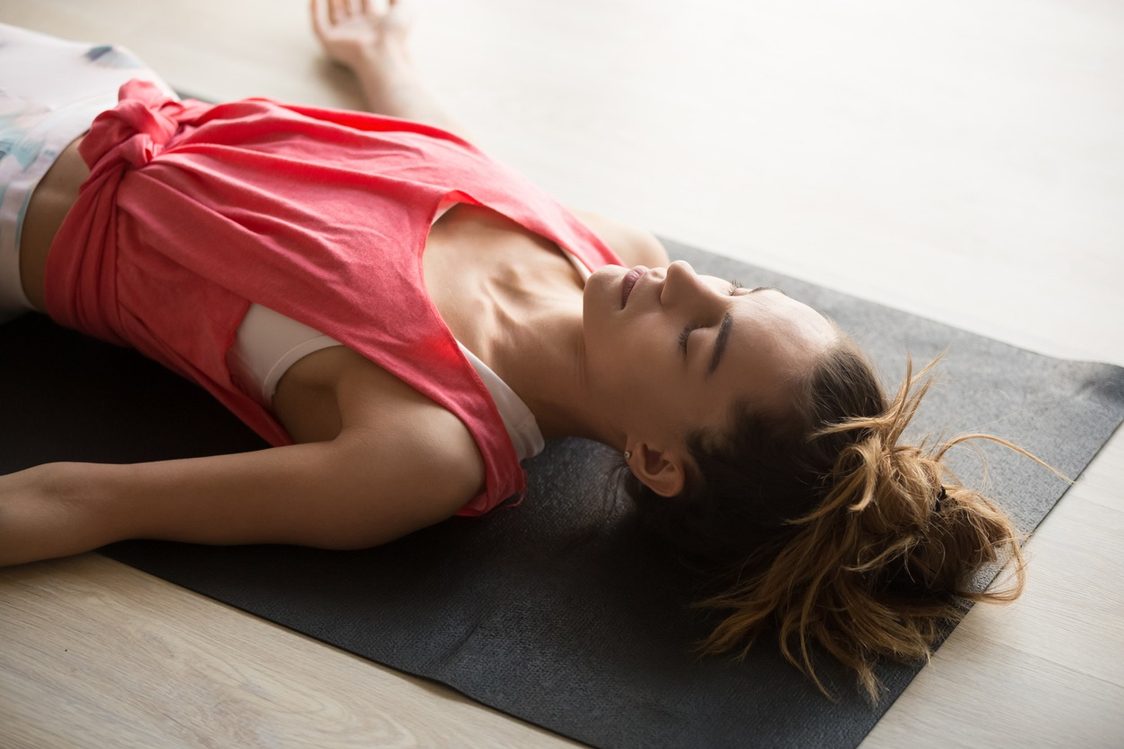
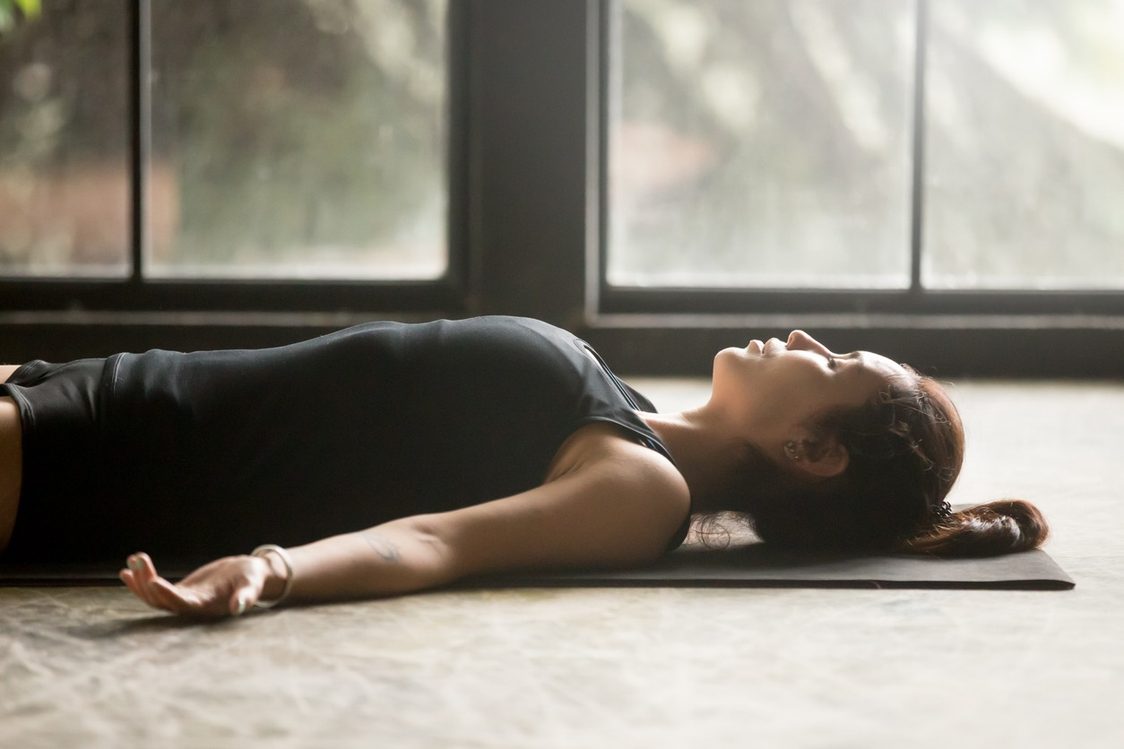
In all formats, you lie down with your eyes closed and breathe significantly faster and deeper than usual. In the breath-holding format, breathing takes place in three to four rounds, and the entire session lasts up to twenty minutes. In formats without breath-holding, you breathe continuously, even for three quarters of an hour at a time.
For example, in a randomised study involving 200 participants, the home protocol consisted of four rounds. The pace gradually increased to approximately 60 breaths per minute. Each round was followed by a breath hold after exhalation, which lengthened from roughly 45 to 90 seconds from one round to the next. This was followed by a deep inhalation with the breath held for about ten seconds. Participants lay down, wore headphones, kept their eyes closed or covered, and breathed through their mouths. [3]
Longer formats without breath-holding are calmer, but take considerably longer. In a study of conscious connected breathing, participants lay on a mat in a dimly lit room and received instructions and music from a recording. The introductory guidance lasted fifteen minutes, followed by forty-five minutes of continuous breathing. They set their own pace, only being asked to breathe slightly faster than usual.
What are the risks of intense breathing?
The most serious risk is loss of consciousness; the other symptoms are generally temporary. During exercise, dizziness, tingling around the mouth and in the fingers, cramp-like stiffness of the hands, heart palpitations, and a feeling of impending fainting may occur. Strong emotions, including sadness, may also arise. [3,7]
The symptoms themselves do not mean that you are doing anything wrong. They are an expected response to a drop in carbon dioxide, and study participants reported them even in the group that breathed more slowly. However, if they are uncomfortable, stop the exercise and return to your normal breathing pace so that the symptoms can subside.
Why not practise intense breathing near water?
Because underwater, you can lose consciousness without any warning. The urge to breathe is not driven by falling oxygen levels, but by rising carbon dioxide levels. Since rapid breathing lowers its level, the warning signal may come late—or not at all. In the meantime, oxygen can fall below the threshold at which the brain can maintain consciousness. [2,9]
When should intense breathing be avoided?
Intense breathing is not recommended for people with heart, lung or brain conditions, epilepsy, panic disorder, or during pregnancy.
The following situations and conditions should be ruled out:
- pregnancy, trying to conceive and breastfeeding
- epilepsy or seizures
- panic disorder or panic attacks
- brain aneurysm
- heart and vascular disease or respiratory disease
- low or high blood pressure
- a history of fainting or difficulties during previous breathwork sessions
- regular use of medication, especially for blood pressure, beta-blockers, antidepressants and anxiolytics
- any condition that prevents you from controlling your breathing rate, such as an ongoing respiratory infection or shortness of breath [3]
Under what conditions can intense breathing be practised safely?
Practice intensive breathing while lying down on a soft surface, especially if you are new to it. This is due to the possibility of fainting, which is a known risk of this breathing technique. This is why participants in studies typically practise while lying down. Do not practise on a hard floor, after a large meal, or immediately before bedtime.
What is the difference between intense and slow breathing?
Slow breathing means approximately five to six breaths per minute, while during intense breathing the rate can reach as many as sixty breaths per minute. Slow exercises last ten minutes and can be done anywhere; intense exercises last from twenty minutes to three hours and are performed lying down.
| Slow breathing | Intense breathing | |
|---|---|---|
| Rate | approximately 5.5 breaths per minute | up to 60 breaths per minute; with yogic techniques, even more than 200 |
| Exercise duration | approximately 10 minutes per day | 10 to 20 minutes for the breath-hold format, 45 minutes to 3 hours for long sessions |
| Position and environment | no special requirements | lying down on a soft surface, with eyes closed, out of the water |
| Breath-holding | is not part of it | in some techniques, yes, for example, in the Wim Hof Method and g-tummo |
| Unusual physical symptoms | are not typical | tingling in the fingers, dizziness, and during prolonged sitting, altered perception |
[3,4]
How can you safely start intensive breathing?
Start practising intensive breathing gradually, with short intervals. Lie down on a soft surface, do three rounds of around thirty breaths, and after each round hold your breath only for as long as feels comfortable. The entire exercise should not last more than fifteen minutes.
The procedure is based on a breath-holding format popularised by the Wim Hof Method. It is a format most commonly practised at home and without an instructor, making it suitable for beginners. Holotropic breathing, rebirthing, and conscious connected breathing last from one to three hours and, in the studies, were conducted in a group under the guidance of an instructor. [3,4]
How to proceed
- Lie on your back on a soft surface and close your eyes.
- Take approximately thirty deep breaths through your mouth. The inhalation is active; the exhalation is simply a release—do not pause between them.
- After the final exhalation, hold your breath. Do not watch the time; if you need to breathe, take a breath.
- Take a deep breath, hold it for about ten seconds, and relax.
- Repeat a total of three rounds.
- After the final round, remain lying down for a little while longer.
This is not an exact protocol from a study, but rather a gentler version derived from procedures used in research.
Frequently Asked Questions (FAQ)
Is the Wim Hof Method scientifically proven?
This method has only been partially verified. Research has confirmed that it can alter physiological processes in the body and that people report altered perception afterwards. However, it has not been confirmed that it helps control stress better than other breathing exercises.
When will I see results from intensive breathing?
The first changes appeared in studies after several weeks of regular exercise. Participants’ subjective stress scores improved over three weeks of daily exercise. However, the same improvement was also achieved by people who breathed more slowly.
Why do I feel like crying when breathing intensely?
Crying during intense breathing is a common response triggered by the exercise itself, not a sign that you are doing anything wrong. Intense breathing changes both your physical and psychological state, and strong emotions are often released along with it.
Do I have to breathe through my mouth, or can I breathe through my nose?
In studies of intensive breathing, participants breathed through the mouth. The authors recommended this in order to exclude the independent contribution of nasal breathing. In yoga techniques such as kapalabhati, by contrast, breathing is exclusively through the nose, so the answer depends on which technique you are practising.
Can I do intensive breathing in water or in the bathtub?
No, never practice intense breathing in water or in the bathtub. Rapid breathing before submersion can suppress the urge to breathe. This is precisely the mechanism behind documented drownings during underwater breath-holding. This also applies to shallow water and the bathtub, where losing consciousness for just a few seconds is enough.
Can children do intense breathing exercises?
We do not yet have any data on the impact of intensive breathing on children’s bodies. All studies have been conducted in adults aged eighteen and over, so nothing is known about the effects or safety in children and adolescents.
Is it better to work out in the morning or in the evening?
No one has yet compared morning and evening workouts. The only timing restriction mentioned by the study authors is to avoid exercising right before bedtime.
Can I do intense breathing exercises during pregnancy?
Intense breathing is not recommended during pregnancy. Pregnancy, trying to conceive, and breastfeeding were among the exclusion criteria applied by study authors when recruiting participants. This is not evidence of harm, but rather a precaution.
Can intensive breathing replace psychotherapy or medication?
Intensive breathing is not a substitute for treating mental illness. There is no evidence to support this, and in the case of panic disorder, it is even listed among the contraindications. If you have a diagnosed condition, consult a doctor or psychologist.
What should you take away from this?
Intensive breathing has been practised for hundreds of years, but research has only been looking into it for a short time. Therefore, for now, we can say less than the number of guides on the internet might suggest.
Studies show that intense breathing lowers carbon dioxide levels, constricts cerebral blood vessels and, during longer sessions, can even induce altered perception. One experiment also showed a short-term effect on the inflammatory response. However, it has not been confirmed to reduce stress more than calmer breathing.
These techniques also carry risks. We are talking, for example, about fainting, as well as tingling or stiffness in the fingers. For several groups of people, such as pregnant women or people with heart disease, the technique is not recommended at all.
So what makes intensive breathing exceptional? Above all, it is the experience. A single session can trigger a strong emotional response, and that is precisely why people return to it. If you choose to try it, practise lying down on a soft surface and never near water.
[1] BAHI, C. et al. Effects of conscious connected breathing on cortical brain activity, mood and state of consciousness in healthy adults. – https://link.springer.com/article/10.1007/s12144-023-05119-6
[2] BART, R.M. et al. Shallow Water Blackout. – http://www.ncbi.nlm.nih.gov/books/NBK554620
[3] FINCHAM, G.W. et al. Effects of brief remote high ventilation breathwork with retention on mental health and wellbeing: a randomised placebo-controlled trial. – https://pmc.ncbi.nlm.nih.gov/articles/PMC11266346/
[4] FINCHAM, G.W. et al. High ventilation breathwork practices: An overview of their effects, mechanisms, and considerations for clinical applications. – https://www.sciencedirect.com/science/article/pii/S0149763423004220
[5] HAVENITH, M.N. et al. Decreased CO2 saturation during circular breathwork supports emergence of altered states of consciousness. – https://www.nature.com/articles/s44271-025-00247-0
[6] KOX, M. et al. Voluntary activation of the sympathetic nervous system and attenuation of the innate immune response in humans. – https://pubmed.ncbi.nlm.nih.gov/24799686/
[7] MCGILLICUDDY, C. - MOLINS, C. The Effect of Hyperventilation Syndrome on Ionized and Serum Calcium: A Case Presentation in the Emergency Department. – https://pubmed.ncbi.nlm.nih.gov/37614278/
[8] SCHMITZ, C.N. et al. How high ventilation breathwork alters consciousness: Hypoperfusion, network dynamics, and subjective experience. – https://pubmed.ncbi.nlm.nih.gov/42542287/
[9] [9] Fatal and Nonfatal Drowning Outcomes Related to Dangerous Underwater Breath-Holding Behaviors — New York State, 1988–2011. – https://www.cdc.gov/mmwr/preview/mmwrhtml/mm6419a3.htm
[10] National Early Warning Score (NEWS) 2. – https://www.rcp.ac.uk/resources/national-early-warning-score-news-2