 Zuzana Gáliková

Pour pre-workout into your mouth, wash it down with a sip of water, swallow and start working out straight away. No shaker, mixing or waiting for the powder to dissolve. This is exactly what dry scooping, one of the sports nutrition trends, looks like.
It seems fast, effective and a little hardcore. That is why people who want to get the most out of their pre-workout and other supplements try this technique, and mixing them in a glass seems like nothing but a waste of time to them.
But does it actually work? Does it really kick in faster? Or is this trend just a flashy ritual with no real benefit? Today, we’ll look at what science says about dry scooping and whether trying it will bring you any benefits.
What is dry scooping and how did it originate?
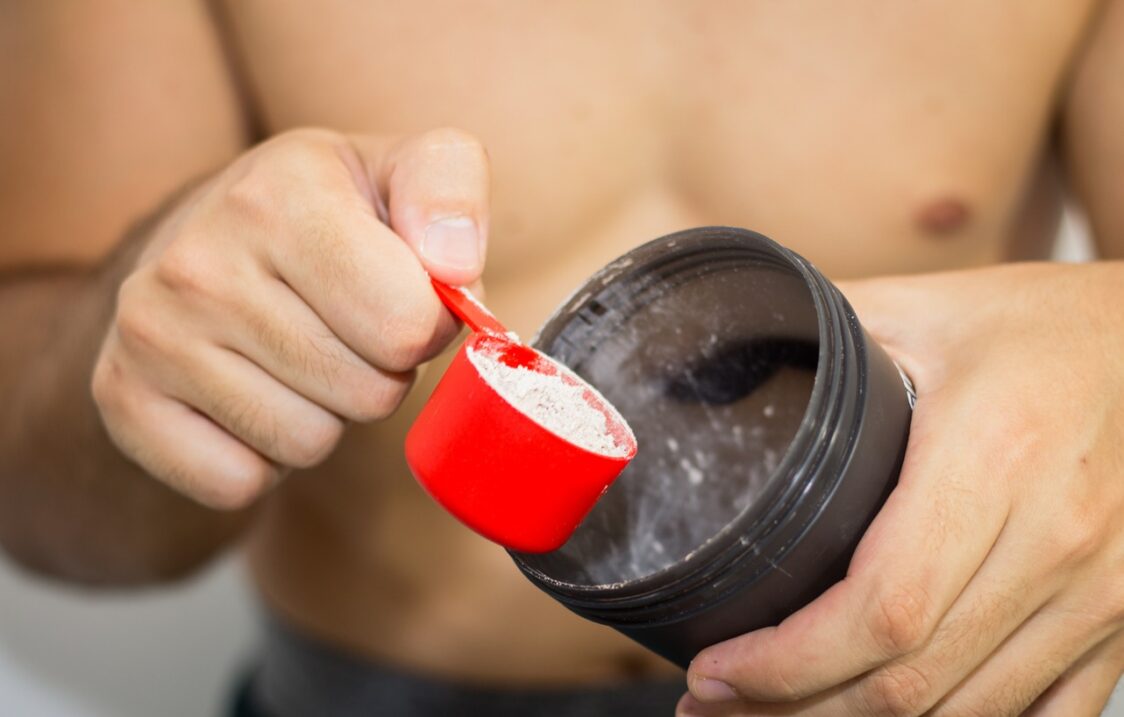
Dry scooping is a technique in which a serving of powdered supplement is consumed dry, simply by pouring it into the mouth without first mixing it with water. Although it is a popular trend, it carries health risks such as inhaling the powder, throat irritation or cardiovascular problems. It is most commonly used with pre-workout, even though it is typically intended to be mixed with water and then consumed. With dry scooping, however, a person pours it directly into their mouth and washes it down with only a small, token sip of water. However, it is not just pre-workouts. Some people also take other powdered supplements in the same way, such as Creatine, protein or BCAAs.
This technique gained wider popularity through social media, most notably on TikTok under the hashtag #preworkout. There, videos featuring dry scooping have collectively amassed over 8.2 million likes. What was originally a fringe practice has thus become a widespread fitness trend thanks to social media. However, as is often the case with trends, they are not always scientifically validated. Specifically, this technique raises the question of whether it is not only effective but also safe. [9]

Why do people do it and what do they expect from it?
People turn to dry scooping believing that taking the powder dry will work faster and give them a stronger boost before training. In addition to this expected effect, two other reasons behind the technique’s popularity are convenience and its social aspect.
With dry scooping, there is no need to mix it in a shaker or carry water with you, so the entire process takes just a few seconds. For someone rushing to the gym or training on the go, this approach is quick and efficient. The social aspect is related to how the technique spreads. Many people try it because they have seen their favourite fitness influencer do it. For some gym-goers, it is a way to fit into gym culture.
Does dry scooping work? What science says about absorption
No. There is no scientific evidence that dry scooping speeds up the onset of effects or improves performance compared with the traditional way of taking supplements. This applies to any powdered supplement, not just pre-workout. The principle is the same for all of them. Any active ingredient consumed in powder form must first dissolve before it can be absorbed in the digestive tract, primarily in the small intestine. [8]
The speed of onset is most often discussed in relation to pre-workouts, specifically the Caffeine they contain, which is among the most thoroughly researched and genuinely effective substances in sports nutrition and forms the basis of almost every pre-workout. However, based on its mechanism of action, we can clearly say that dry-scooping will not speed up its effects. Its blood levels peak approximately 30 to 120 minutes after ingestion, and this timing is determined by digestive physiology, not by the form in which you swallowed the supplement. [4]
Why, then, do so many people feel that it works better? With caffeine, it is well known that expectation itself also plays a role. According to a review study by British researchers, simply believing that one has consumed it can increase perceived energy and focus, even if the person actually received only a placebo—a substance with no effect whatsoever. A large part of the feeling of being “boosted” therefore originates in the mind, not in the dose itself. [6]
You might be interested in these products:
What are the risks of dry scooping?
The main risks of dry scooping are throat irritation and choking on the powder, inhaling it into the airways, and a sudden dose of caffeine that can strain the heart. Most of these problems are mild and temporary in a healthy person, but some may pose a more serious issue under an unfortunate combination of circumstances.
1. Throat irritation and inhaling powder
The most common and, at the same time, mildest problem is throat irritation. The dry powder sticks to the mucous membranes, causes scratching and triggers the urge to cough. It is the most common and also the mildest problem, and it usually passes quickly.
2. Inhalation of powder
During a sudden inhalation, some of the powder may enter the airways. This is less common but more serious; the risk of inhalation is also highlighted by the authors of an analysis of popular videos (Lin et al.). In an extreme case, inhaling a foreign substance could lead to aspiration pneumonia, i.e. inflammation of the lungs. No documented case following dry scooping exists so far; it is a potential risk. [9]
3. Caffeine overdose
The same dose of caffeine puts the same strain on the body whether you drink it mixed with water or swallow it dry. However, dry scooping increases the risk of overdose in two ways.
- This is done for the strongest possible effect, so people commonly take a larger amount (e.g. more than one heaped scoop) than recommended in the dosage instructions.
- Moreover, you can sip the mixed drink gradually and stop when you start to feel unwell. You cannot take back a dose swallowed dry.
The doses of caffeine in pre-workouts are not small. An independent analysis of Australian pre-workouts found approximately 100 to 390 mg of caffeine per serving, which in the case of stronger products is comparable to several cups of coffee at once. [2]
Comparison of caffeine content with other sources
| Source of caffeine (typical serving) | Typical content |
|---|---|
| Espresso | ~ 80 mg |
| Energy drink (250 ml) | 76 mg |
| Filtered coffee (200 ml) | ~ 70 mg |
| Instant coffee | 57 mg |
| Green tea | 25 mg |
| Black tea | 42 mg |
| Pre-workout | 100–390 mg |
[10]
According to EFSA (European Food Safety Authority), up to 400 mg of caffeine per day is safe for a healthy adult, with up to 200 mg in a single dose. Too much caffeine at once may cause nausea, dizziness, anxiety and tremors, as well as heart palpitations and elevated blood pressure. [7,12]
You can read more about caffeine and its effects in the article Caffeine Before Training: Functions, Benefits, Risks and Dosage
Overview of the risks of dry scooping
| Risk | Mechanism |
|---|---|
| Throat irritation and choking | Dry powder irritates the throat and may trigger coughing |
| Inhalation of powder (aspiration) | When inhaling, the powder enters the airways |
| Aspiration pneumonia | Possible pneumonia after inhaling a foreign substance |
| Caffeine overdose | Without measuring and diluting, it is easier to consume too much |
| Digestive and psychological issues | Effects of too much caffeine: nausea, dizziness, anxiety, tremors |
| Strain on the heart | Palpitations, higher blood pressure, rarely a serious incident |
What do real cases say?
The scientific literature documents two cases of serious health complications in previously healthy young men shortly after switching to dry scooping. In both cases, regular use of pre-workout had previously caused no problems, and complications arose only when it was taken dry.
- Heart attack after three days of dry scooping: Doctors described the first case in 2024 in a case report published in Sage Open Medical Case Reports. A previously healthy 25-year-old man had been taking a pre-workout for eight months without issues, exactly as directed. Three days before the incident, after watching a video from a fitness group, he switched to dry scooping. Shortly after training, he suffered a heart attack, and angiography revealed a blockage of a coronary artery, which doctors treated with angioplasty and a stent. They linked the cause specifically to the switch to dry scooping, not to the pre-workout itself. [5]
- Burned oesophagus after two weeks of dry scooping: The second case was described in a study published in the prestigious Journal of General Internal Medicine. A 22-year-old weightlifter would normally mix his pre-workout drink, but when he ran out of liquid, he began taking it dry. After two weeks, he developed severe oesophageal pain and difficulty swallowing, and an endoscopy revealed extensive oesophageal ulcers. Doctors identified dry scooping itself as the cause—specifically, the acidic ingredients in the undiluted powder, which burned the mucous membrane. After discontinuing it and receiving treatment, the man recovered within four weeks. [1]
However, one important thing should be added. A case report is a description of a single case, not proof that dry scooping will cause a heart attack or oesophageal damage in everyone. Therefore, take it as a warning sign.
Is dry scooping more dangerous for adolescents?
Yes, dry scooping is riskier for minors because their bodies can tolerate significantly less caffeine than those of adults. While up to 400 mg of caffeine is considered approximately safe for a healthy adult, for children and adolescents it is only around 3 mg per kilogram of body weight per day. A single serving of pre-workout containing 100 to 390 mg can therefore easily exceed the amount that EFSA considers safe for children and adolescents. It is therefore not suitable for minors. [11]
Dry scooping is particularly risky mainly because the trend spreads through social media, which is followed primarily by young people. According to a Canadian study (Ganson et al.), dry scooping has been tried by 16.9% of adolescents and young adults, and among young men, approximately one in five. [3]
What should I do if I don’t feel well after dry scooping?
If you do not feel well after dry scooping, stop the activity, calm down and monitor your symptoms. For mild discomfort, it is usually enough to wait for it to pass, but if you experience heart- or breathing-related symptoms, call for help immediately. Follow how you feel.
- Mild reaction to caffeine (palpitations, tremors, nervousness, nausea, dizziness): stop training, sit down, drink water and wait for the symptoms to subside. Do not consume any more caffeine for the rest of the day.
- Throat irritation or choking (coughing, scratchiness, sensation of powder in the throat): rinse your mouth and sip water. If coughing or wheezing persists, seek medical attention, as powder may have been inhaled.
- Serious warning signs (chest pain, severe shortness of breath or choking, irregular or very rapid heartbeat, fainting): do not wait—call the emergency number 155 or 112 immediately.
How should you take pre-workout and other powdered supplements correctly and safely?
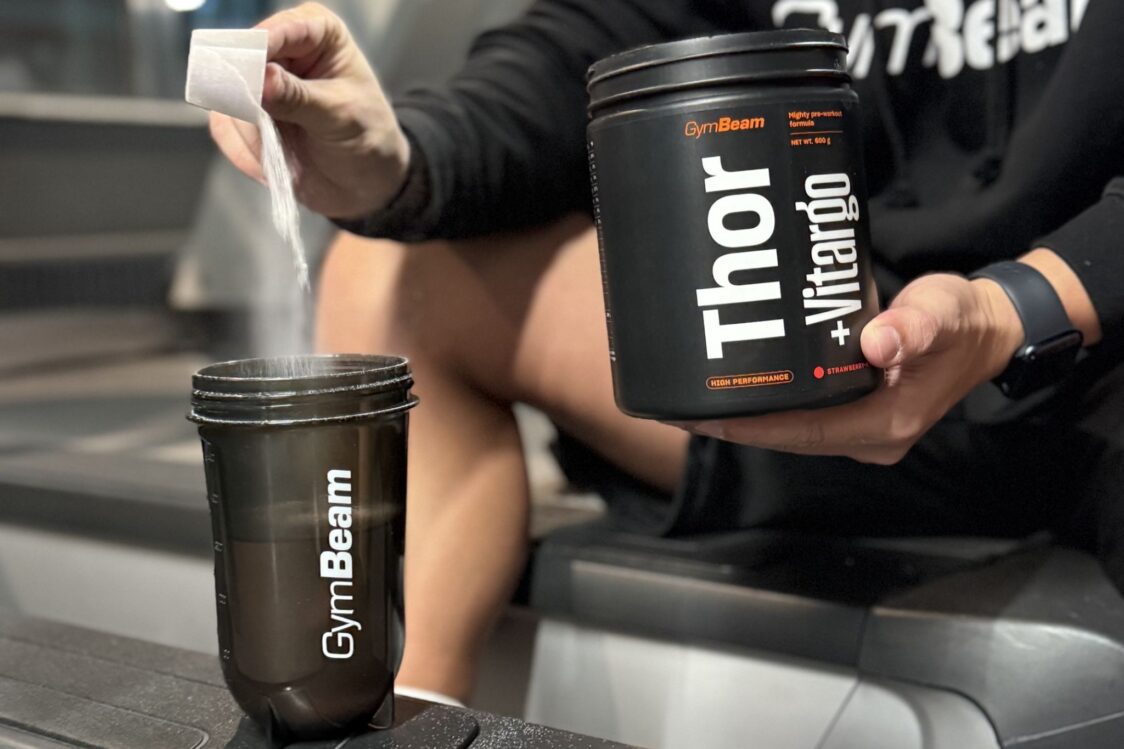
Mix every powdered supplement with a sufficient amount of water according to the instructions on the packaging; do not take it dry. This applies to pre-workout, creatine, protein and BCAAs. Mixing eliminates the main risks of dry scooping and does not reduce the effect in any way.
Why are powdered supplements mixed with water?
Powdered supplements are mixed with water to reduce the powder’s concentration, make swallowing easier, and allow the dose to be consumed gradually. Water therefore eliminates the main risks of dry scooping, namely irritation of the mucous membranes, inhalation of powder, and a sudden intake of caffeine. Specifically, it serves three protective functions:
- Dissolves and dilutes powder — its concentrated, often acidic ingredients then do not sit directly on the mucous membranes of the mouth and oesophagus, where they can irritate or even burn.
- Makes swallowing easier — this significantly reduces the risk of inhaling some of the powder into your airways.
- It spreads the dose over a larger volume — so you consume caffeine more gradually and can stop drinking if you start to feel unwell.
This is precisely why virtually all powdered supplements are intended to be mixed with water, and taking them dry removes this natural protection.
For every powdered supplement:
- Mix one serving with water or another liquid according to the packaging, usually in approximately 250 to 350 ml.
- Stick to the serving stated on the packaging and measure it out—do not estimate by eye.
- Take caffeine-containing products approximately 30 to 60 minutes before training, so that the caffeine has time to start taking effect.
- Monitor your total daily caffeine intake from all sources. For a healthy adult, it is up to 400 mg per day (EFSA). [11]
- If you have heart disease, high blood pressure, are pregnant, breastfeeding, or under 18 years of age, consult a doctor first.
Is dry scooping recommended?
No, dry scooping is not recommended. It has no proven benefit and carries unnecessary risks, while the safe and equally effective option is simply to mix the powder with water and drink it. It does not speed up the effects in any way, because their onset is determined by absorption in the digestive tract, which occurs the same way whether you mix the powder with water or swallow it dry. On the contrary, it carries real risks such as throat irritation, inhaling the powder, and a greater risk of caffeine overdose, since you neither measure nor dilute the dose.
Furthermore, serious cases involving previously healthy young men have been documented in the scientific literature, always only after switching to dry scooping. For adolescents, this technique is even riskier because their bodies can tolerate substantially less caffeine. This verdict applies to standard powdered supplements intended to be mixed with water.
Are there products designed specifically for dry scooping?
Yes, there are also powdered supplements on the market made specifically to be taken without mixing them with water. What makes them suitable is not the “dry scoop” label, but their form. Instead of a fine powder intended to be dissolved in water, they have a form that is easier to swallow and less irritating. They therefore reduce the very risk that is greatest when regular powder is taken dry, namely throat irritation and inhalation. This does not contradict the verdict above. It still applies to regular pre-workout intended to be mixed with water.
What should you take away from this?
If you want to get the most out of supplements, the best thing you can do is take them simply, as directed. Pre-workout, creatine and protein work the same whether you mix them with water or swallow them dry, so dry scooping gives you nothing while adding unnecessary risk.
All it takes is adopting one habit. Mix a serving in a glass of water, stick to the amount stated on the packaging and take the caffeine supplement around half an hour before training. It may be less flashy than a video from the internet, but this is exactly how you will get the most out of both your training and supplements, without any risk.


