Collagen
Collagen is a popular protein used in various industries. It is especially popular with women for its possible positive effect on the quality of nails, skin, hair, and overall beauty. However, it is also important for men, especially athletes, who use it to take care of their joints, muscles, ligaments, and bones. As we age, our body gradually loses collagen, which is why older people often complain about joint pain and other movement problems. You can benefit from collagen intake at any age. People, such as vegans who avoid animal products, should not forget about collagen intake as animal products are a great source of it.
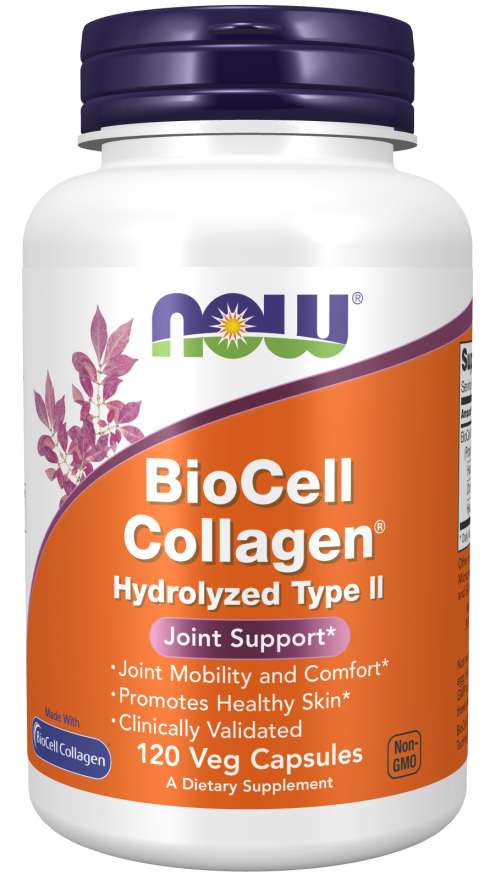
Collagen is an integral part of connective tissues in bones, liver, kidneys, heart, teeth, and skin. There are several types of collagen, each of which is dominant in a different tissue. Type I., II., III, and IV. collagen is the most represented in the body. Type I collagen occurs in the skin, tendons, bones, ligaments, dentin, and interstitial tissues. Type II collagen is then found in the cartilage and gelatinous mass in the eye. Type III collagen is mainly present in the skin, muscles, and blood vessels. The last of the mentioned - type IV. collagen occurs in all basement membranes. It is important for our body mainly because it slows down the ageing of the skin, supports the proper functioning of joints, muscle growth, protects bone health, and is also important for the cardiovascular system.
Collagen usually comes from animals such as seafood and cattle. Marine collagen contains mainly type I collagen, so it is especially popular among women striving to improve the quality of hair or skin. However, it is also functional for ligaments, tendons, and bones. It is practical mainly because it contains smaller particles that are better digested and absorbed. From this point of view hydrolysed beef collagen is also a great choice. It went through a process in which collagen fibres were broken down into small chains of amino acids that are easily absorbed. Hydrolysed collagen excels in a complete amino acid profile. Collagen products are often enriched with vitamin C, which is essential for collagen production in the body.
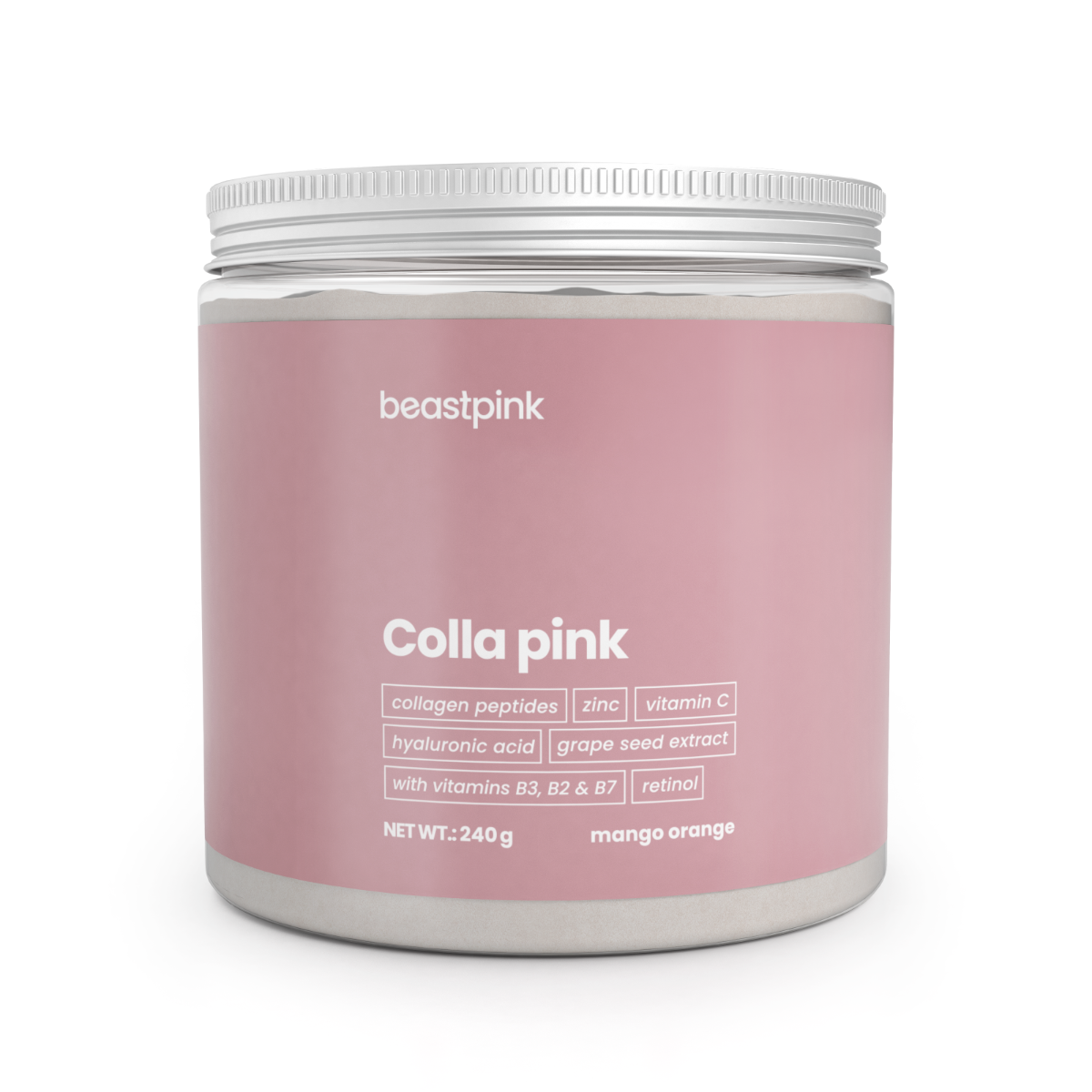
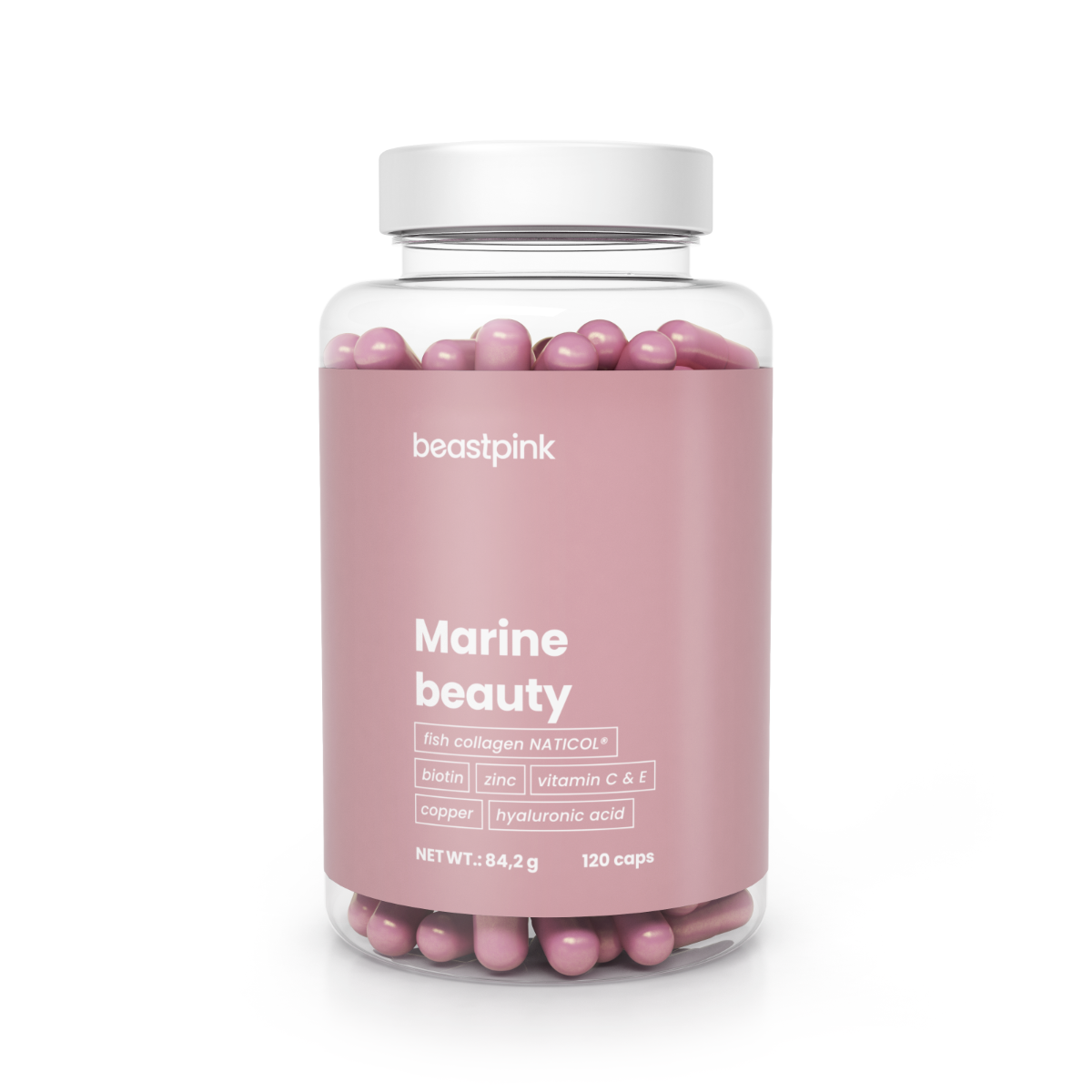
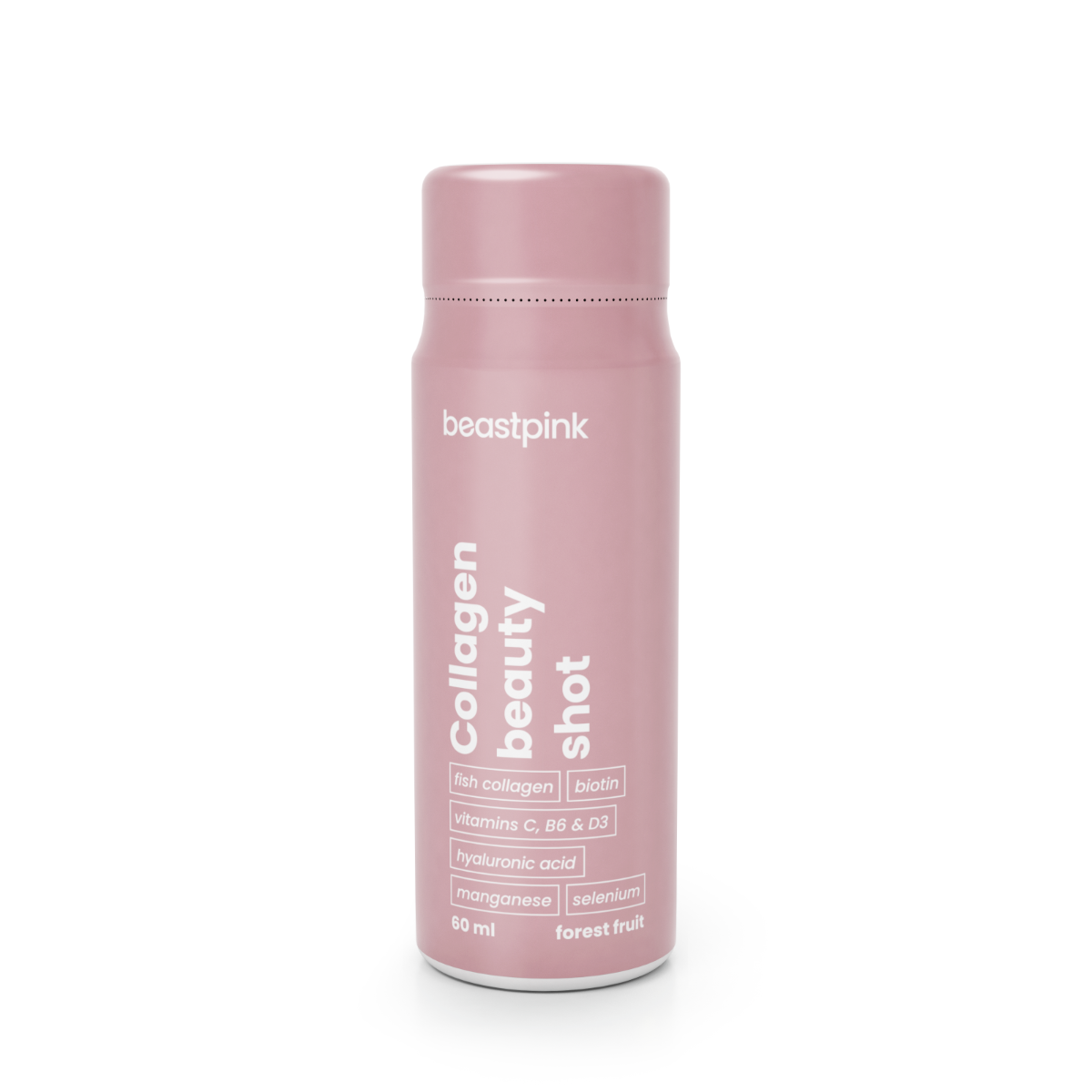
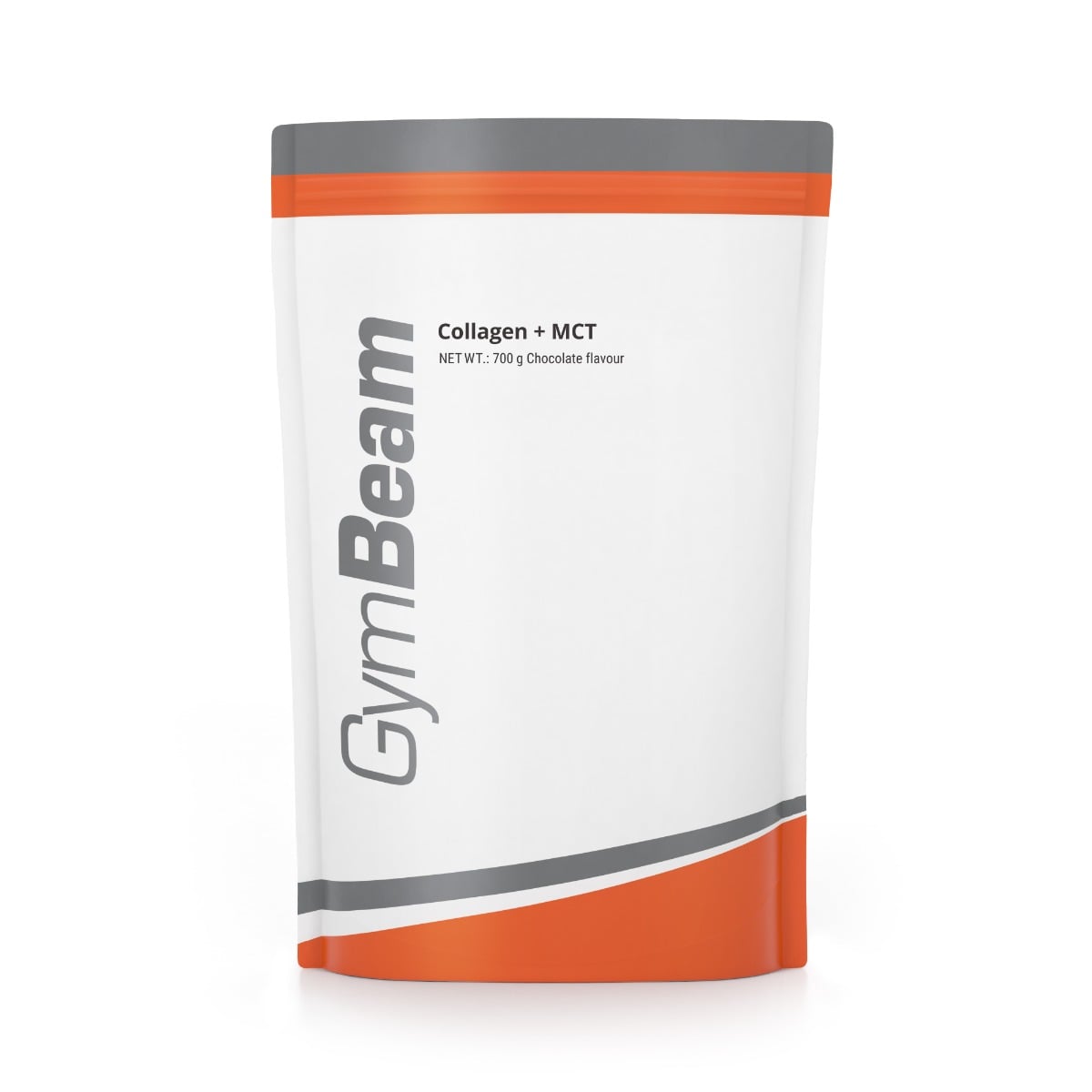
You can supplement collagen to your body in many forms, such as collagen shot, powder, capsules or RTD drinks.
If you want to learn more about collagen and also simplify deciding which type is best for you, read this article How to Choose the Best Collagen For Healthy Skin And Joints?

New
 Out of stock
Items 1-6 out of 6